What looks harmless at first glance might hide a few secrets. Once you start reading those small print lines, nothing feels quite the same. Familiar names on wrappers take on new meanings when ingredients list gets long. Little by little, the process behind each bite reveals itself in places people rarely look. Sharp clarity comes quick after ignoring it for so long.
Wonder grows around what we eat each day, sparked by online clips breaking down labels. Not all share these to alarm – some just reveal how distant a meal’s origins really are. Hidden behind a granola bar or dressing is a path most never witness, until someone hits upload. A few point at odd-sounding ingredients; others dig into the reason they’re even there. Slowly, understanding moves through screens, reshaping glances at supermarket shelves. Each clip adds a whisper, shifting attention without fanfare.
Longer ingredient lists mean more components
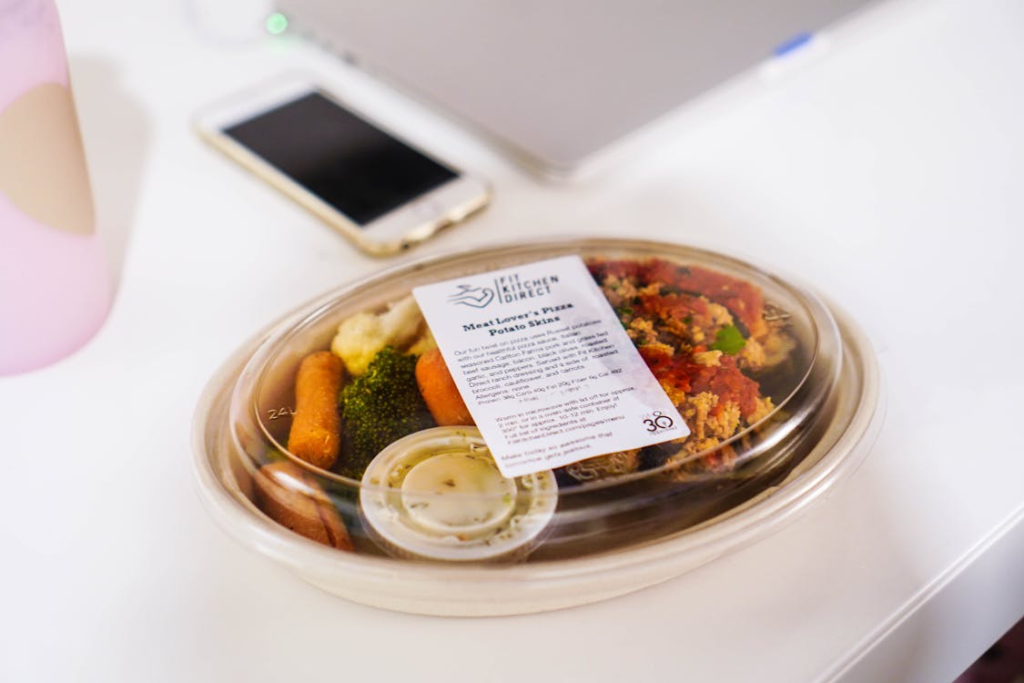
Surprisingly, many prepackaged dinners carry hidden extras nobody expects. One glance suggests simplicity, but underneath sit preservatives, stabilizers, even synthetic tweaks – not for taste, just shelf survival. These quiet additions stretch freshness, holding flavor steady through weeks of storage.
Hidden Sugars Are Everywhere
Inside ketchup, on toast, tucked into chips – sugar slips in quietly. Even when sweetness isn’t obvious, the purpose stays the same: pull you toward another bite.
Flavors made by people now stand in for those found in nature
From thin air, some meals get their kick not from real ingredients but lab-made stand-ins. Since the fakes behave like the real thing, businesses cut costs without shifting how things taste.
Food Stays Fresh Longer With Preservatives
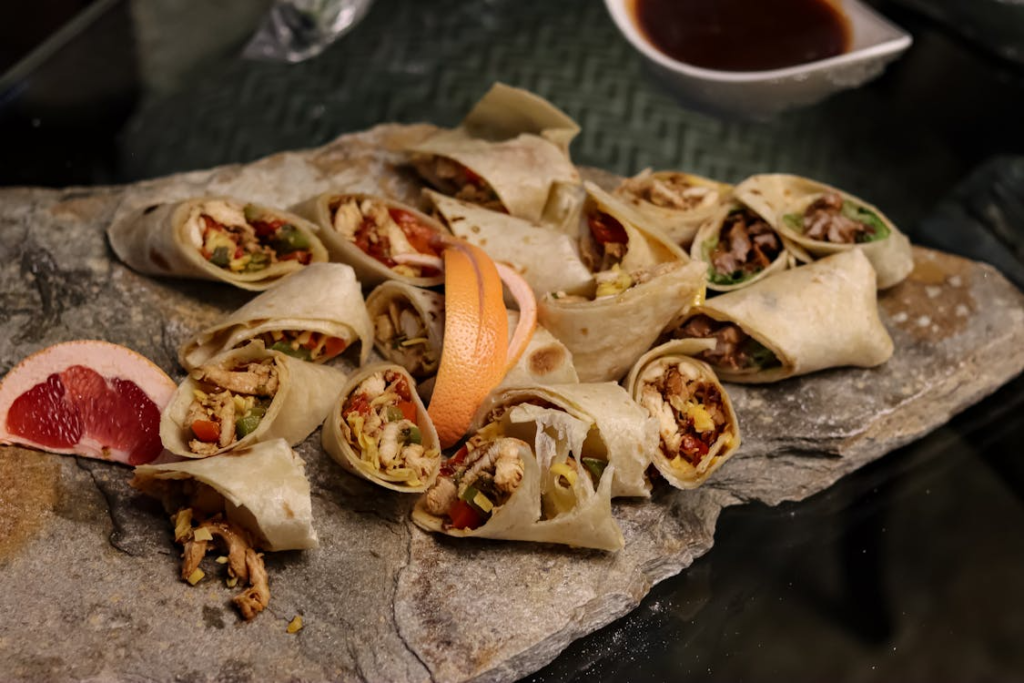
Weeks without spoiling? That’s down to hidden ingredients slipped into the wrap. Helpful, definitely – though every bite tastes somehow farther from what once sprouted in dirt.
Color Additives Change Appearance
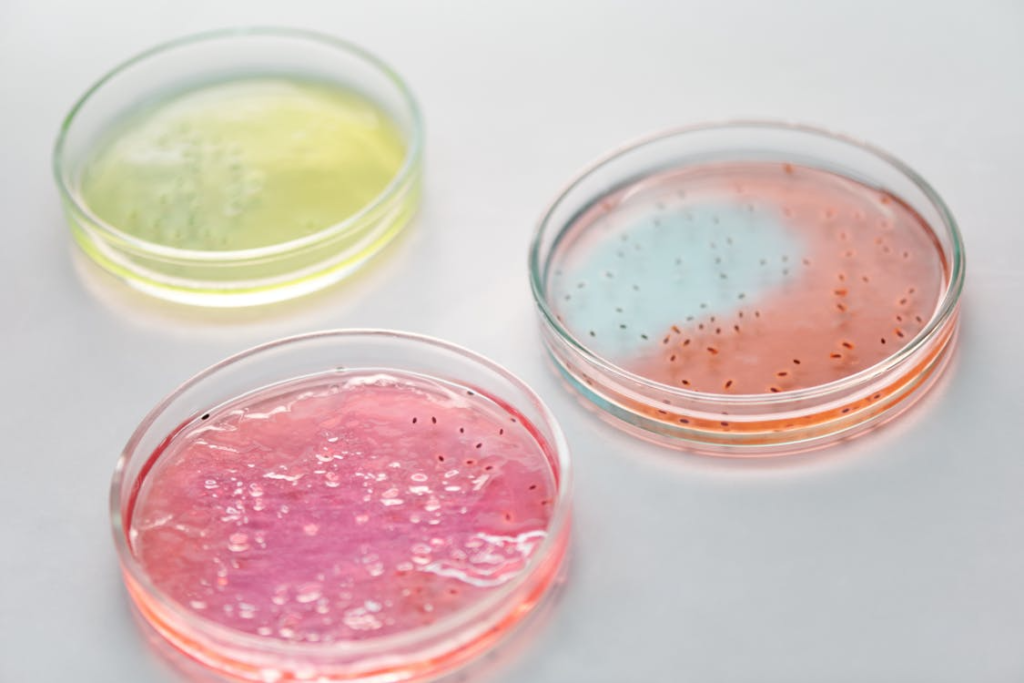
Most bright shades on food aren’t from ingredients but added colors, making dishes look more vivid than they truly are. Often, it’s lab-made tints behind the appeal, not anything natural found inside. These manufactured hues twist how we see what’s on our plate, replacing true tones with stronger ones. Instead of relying on actual substances, many choose synthetic options for a sharper visual punch.
High sodium levels often go unnoticed
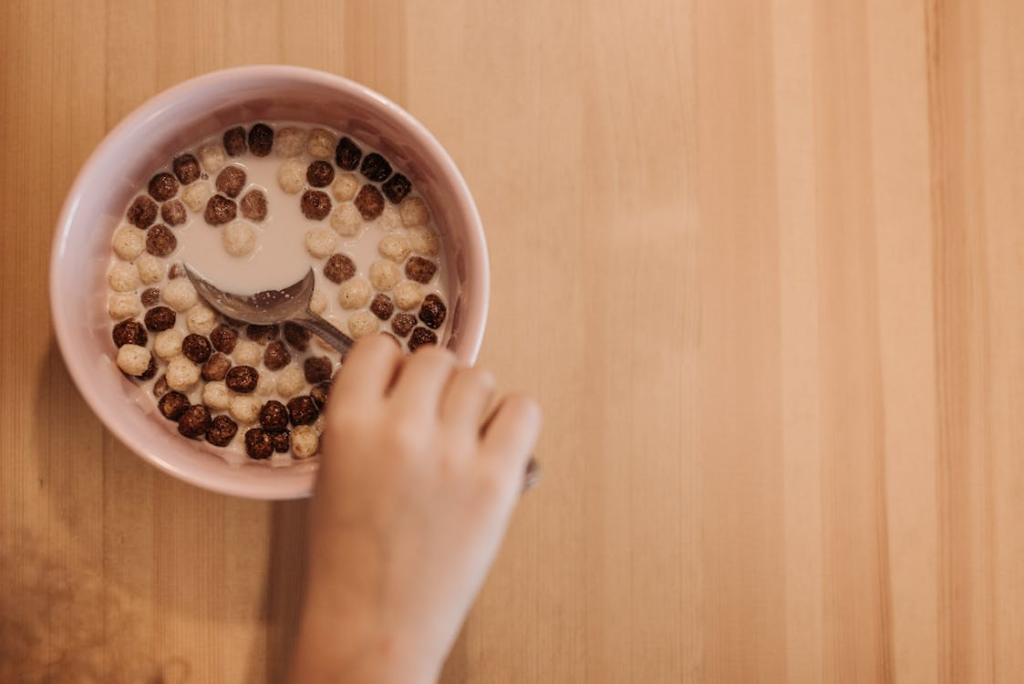
Surprisingly salty flavors can come from places you’d never guess. Breakfast cereals, thought to be tame, often pour more into each serving than expected. A dash here, a pinch there – soon the total climbs without warning. Packaged snacks slip extra in, masked by crunch or spice.
Texture Is Often Engineered
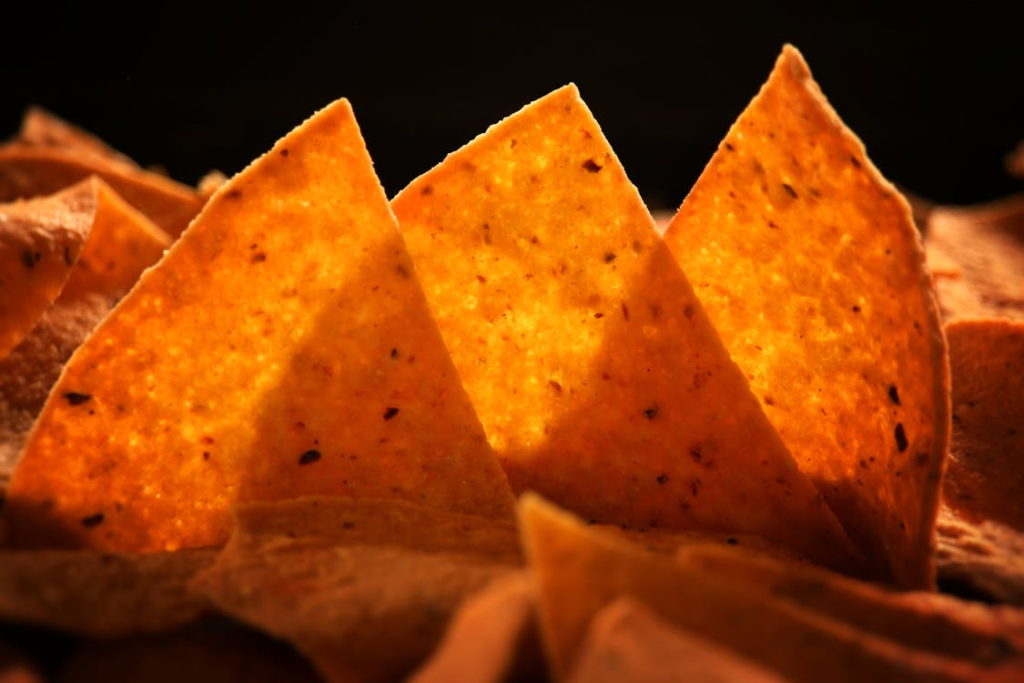
Thick liquids slide easier because tiny changes happen behind the scenes. Hidden pieces hold texture together so nothing splits apart too soon. Pouring flows better after small shifts adjust the weight. The moment butter meets warm toast, everything lines up without tearing.
Marketing Isn’t Always Honest
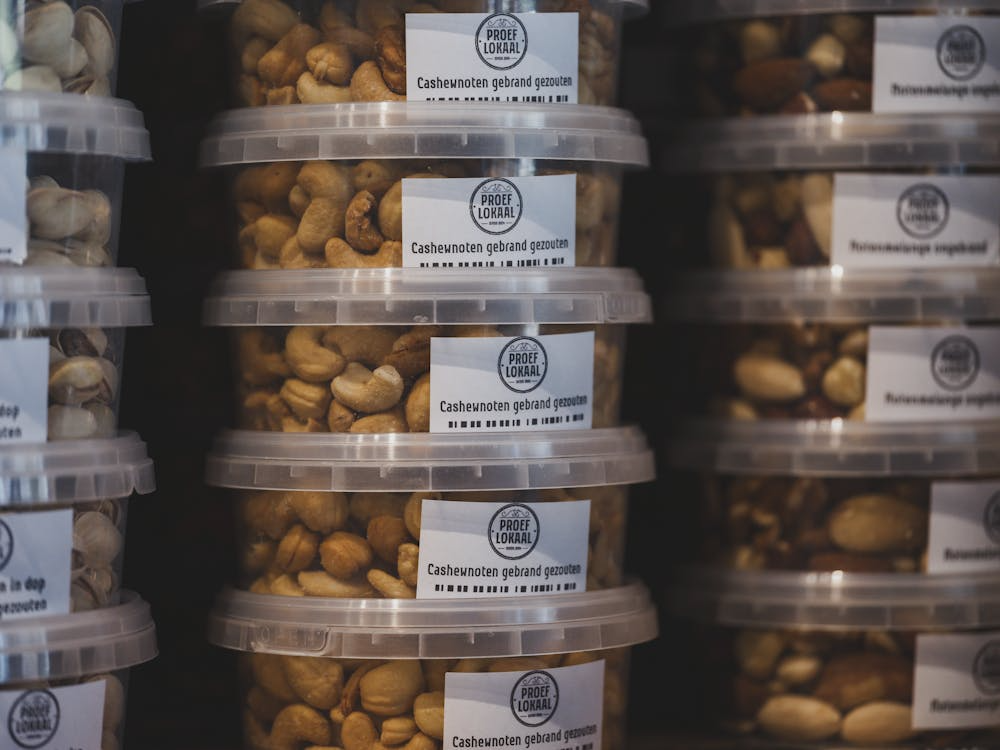
That snack labeled “natural” might look clean, yet the fine print shows something else entirely. Behind words like “low-fat,” real nutrition sometimes hides poorly. At first sight, a box screams health – closer reading tells another tale. Front-of-package claims rarely line up with what’s actually packed within. Fancy wrapping tends to exaggerate far beyond fact, even if quietly.
It Is Not Only About Halting but Also About Observing
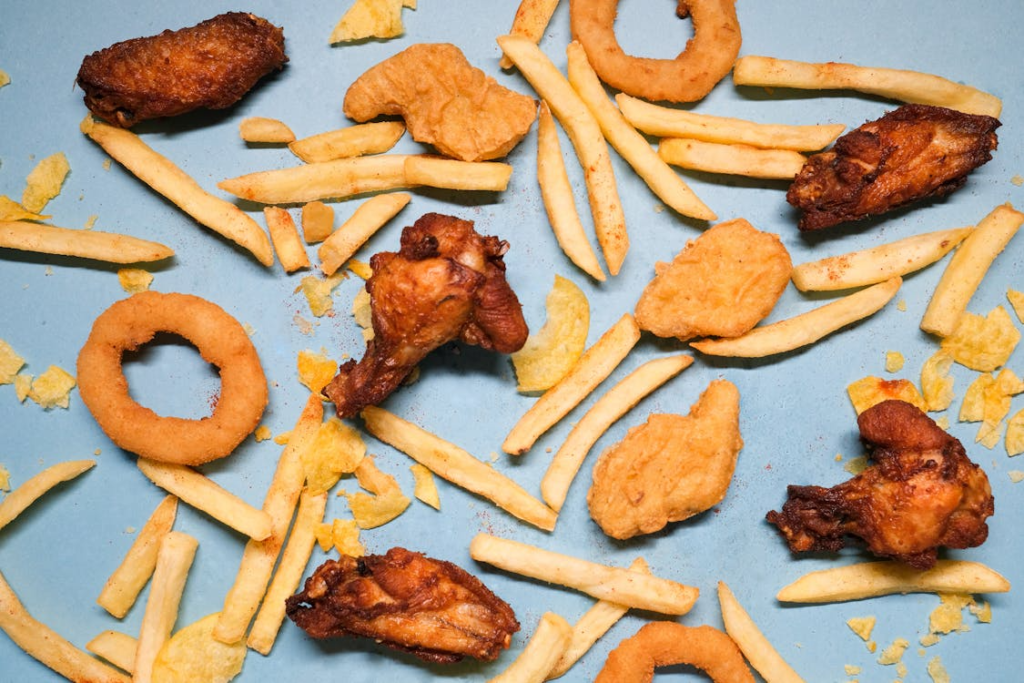
It doesn’t follow that learning their contents means banning them completely. With awareness comes better vision – decisions shift from reflexive to considered.
