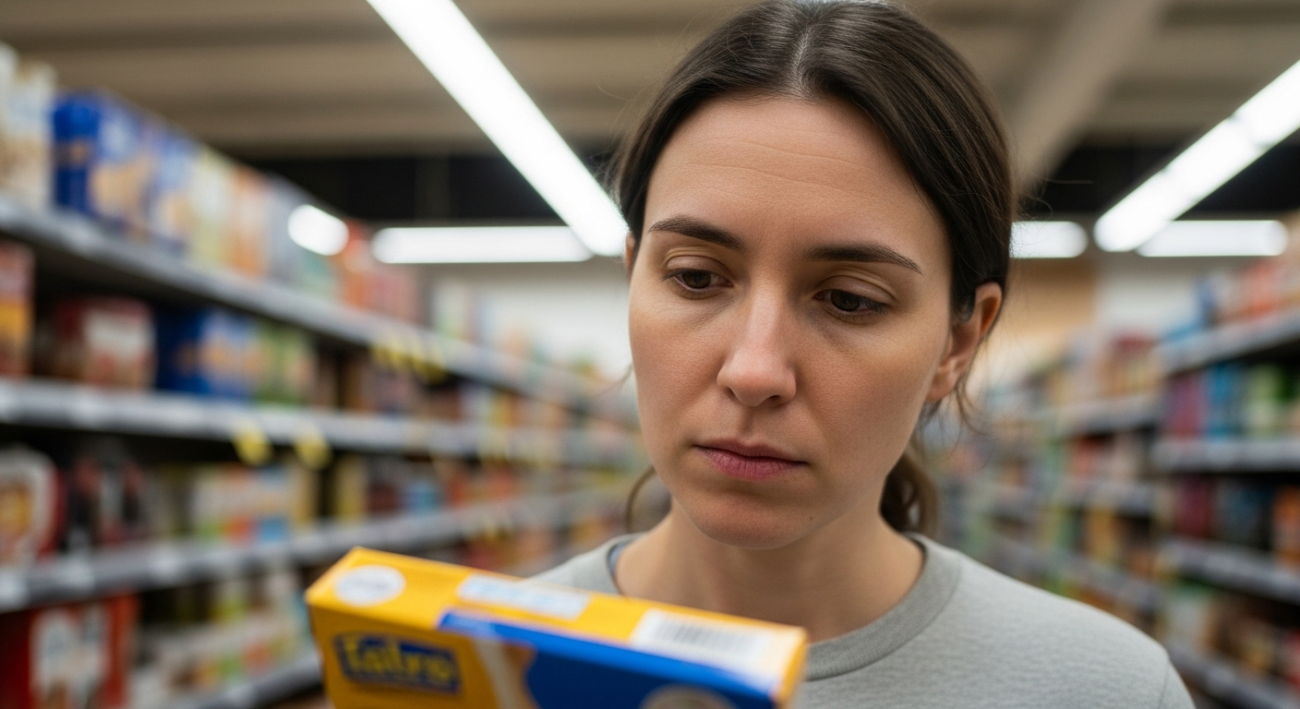
It sits quiet, small, harmless at first glance. Looks fine maybe, if you’re not really checking. You’ve probably bought it before, more than once, didn’t even pause. But flip it over – that’s where things change, words on the back start telling another tale.
Inside everyday eats hides a lot more than expected. Take one quick snack, maybe two – often stuffed with sugar tricks, lab helpers so they stay fresh longer. Not claiming danger lurks in every box, only that knowing matters. What lands on your tongue travels deeper.
The Ingredient List Is Longer Than Expected
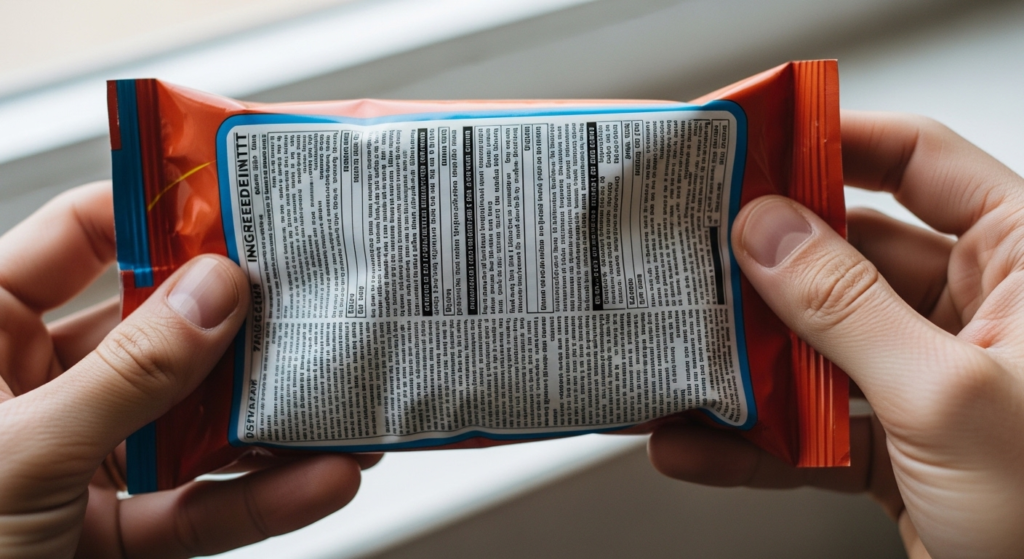
Usually, when you see strange ingredient names, it means lots of factory work happened. Take a moment to check. Fewer familiar things on the list usually points to lighter handling. What grows in nature tends to need no label at all. Words that look like science experiments? That stuff likely never touched a stove. Most times, simple food means simple names. A shorter label often explains more.
Sugar Has Many Names
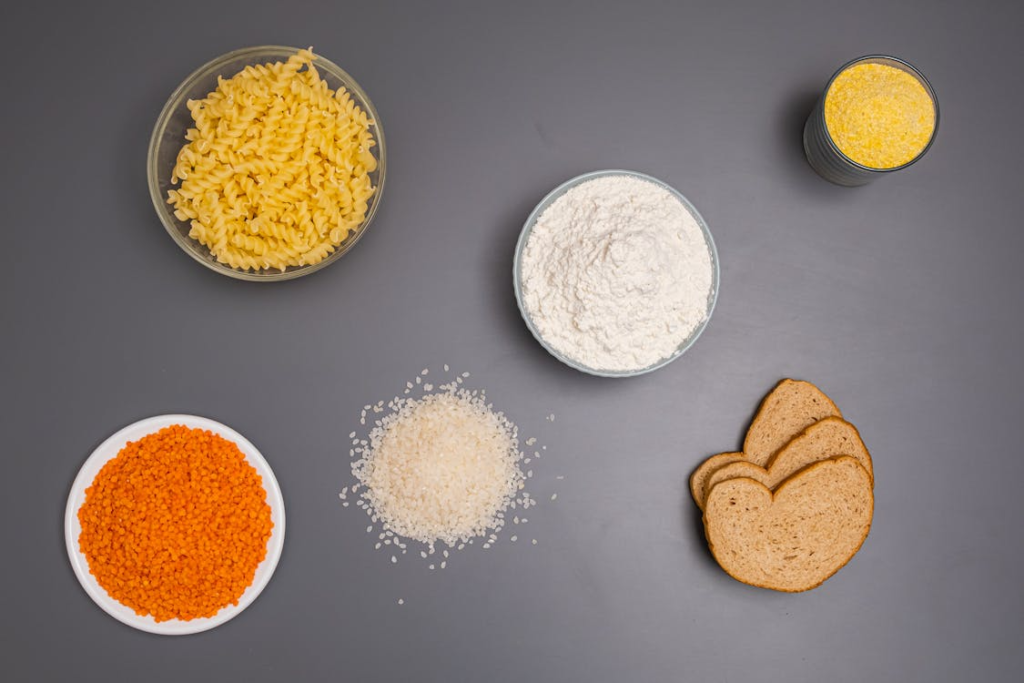
Glucose, fructose – names like these quietly stand in for sugar. A label may list corn syrup instead, something that avoids fast notice. When words shift like this, spotting extra sweet stuff takes closer attention than most give.
High Sodium Levels Commonly Detected
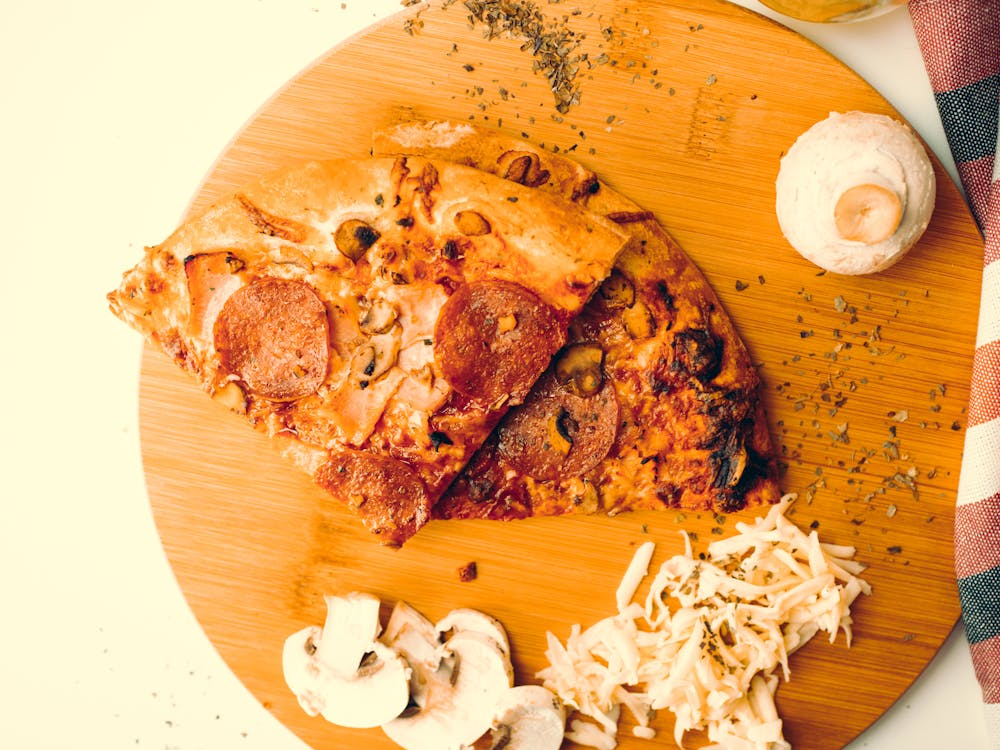
Ready-made dinners often contain extra salt, enhancing flavor yet extending shelf life – even if your taste buds don’t catch on. Sneaky sodium slips into foods that appear harmless, doing its job without any salty punch. Blandness doesn’t mean safety; processed dishes may hold surprising amounts, slipped in before they hit the package. What you taste? Not always what’s really there.
Preservatives Help Food Last Longer
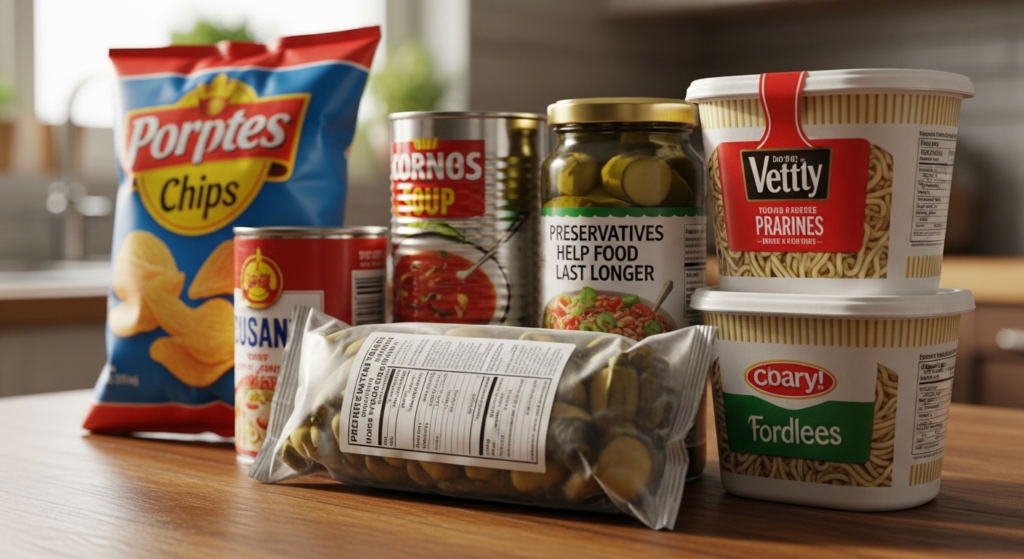
Freshness tends to take a back seat once preservatives enter the picture. While food stays edible longer, its design shifts toward storage needs rather than how recently it was produced. Lasting weeks on a shelf often comes at the cost of feeling newly prepared.
Artificial Flavors Replace Natural Ones
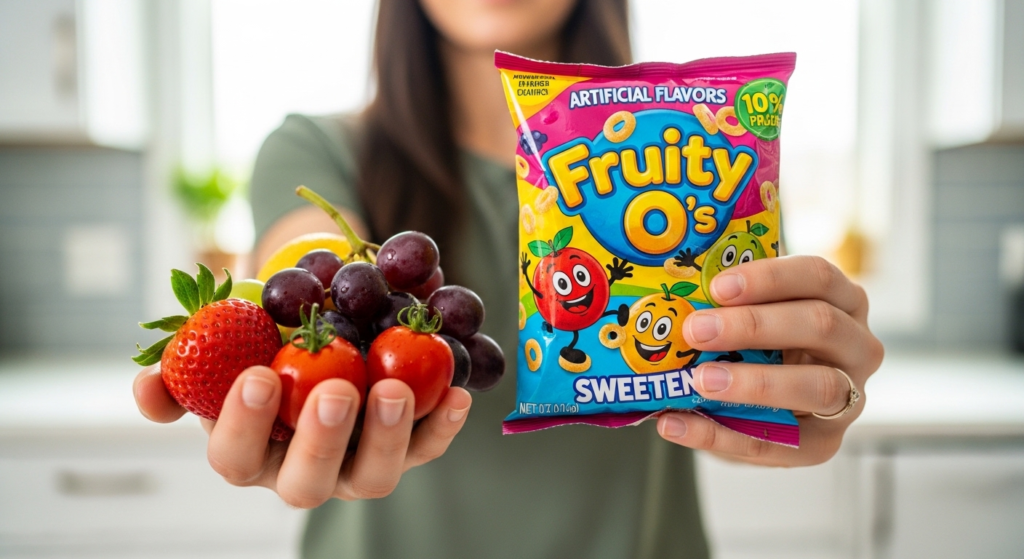
Some things skip real ingredients altogether – artificial flavors step in to copy the original taste exactly. Each new run lines up just like the one before since consistency hinges on formulas instead of sources.
Texture Arises Through Design Rather Than Natural Origin
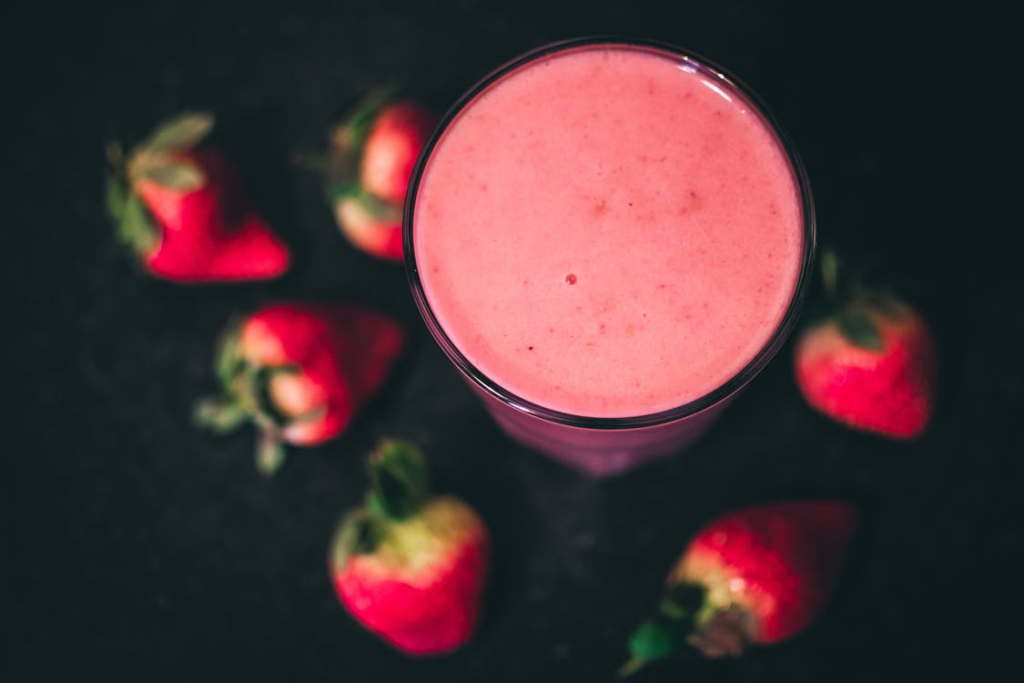
What makes food feel smooth? Often it’s hidden ingredients that do the work. They stop mixes from splitting or getting rough. Without them, chunks might form instead of a steady blend. A creamy result shows up when these helpers are added. Still, without those helpers, roughness could take over. A smooth touch sticks around – shifts most people never notice make it possible.
Serving Sizes Might Not Show Full Picture
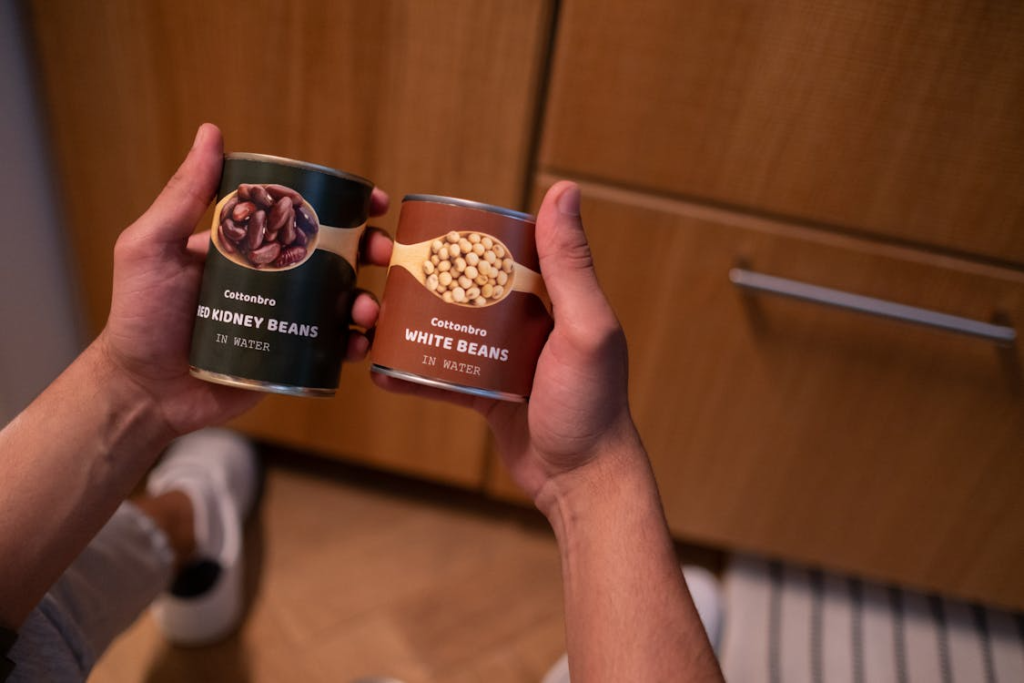
Snack packs often show nutrition info for portions smaller than anyone eats. People tend to consume much larger amounts, quietly adding extra calories and sugar along the way.
Marketing Words Can Be Misleading
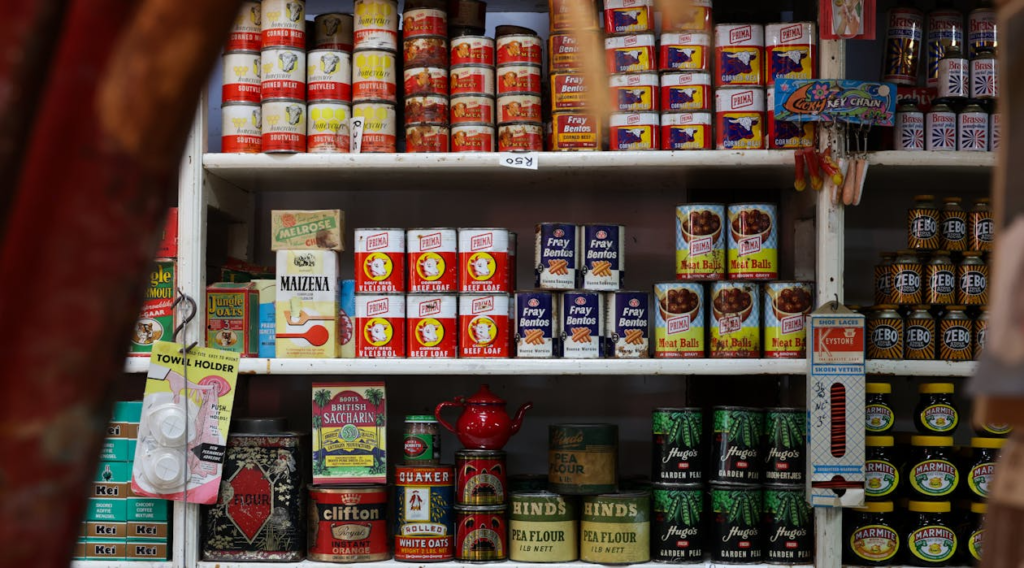
Low-fat labels? They don’t automatically win health points – look past the claim, see the ingredients. Natural branding feels comforting, though it can dress up poor choices neatly. Multigrain appears often, sure, still gives little clue about real nutrition value. Friendly packaging terms tend to soften hard facts hiding underneath.
Little shifts bring major payoffs
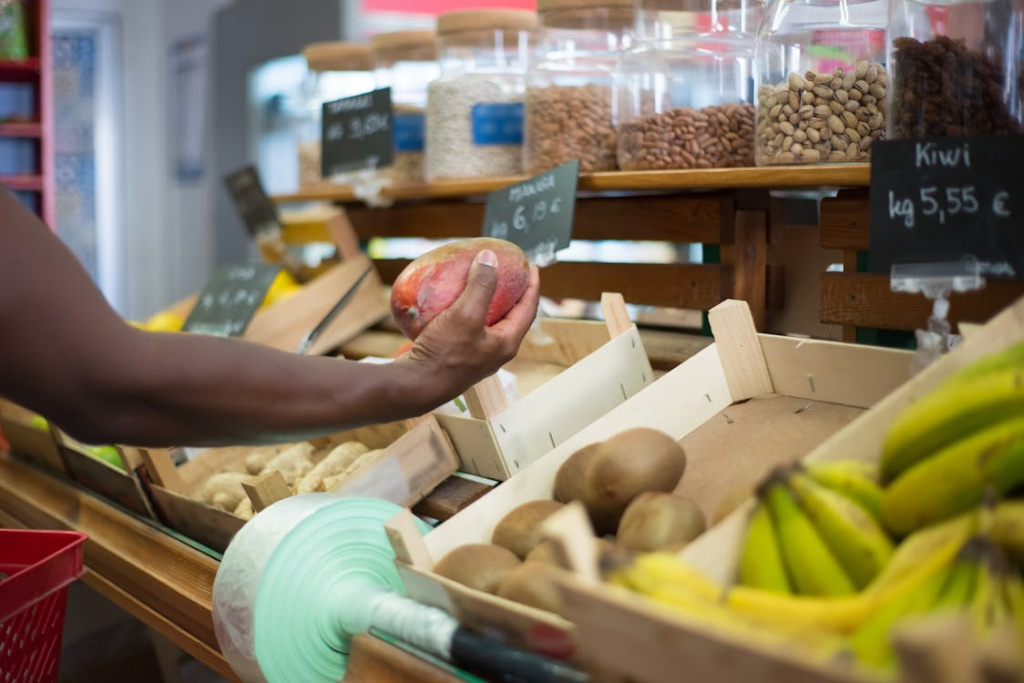
Most of the time, picking food as it grows leads to less junk inside. Still works when life moves fast. Swapping one thing at a time makes shifts stick. Eating feels cleaner without lab-made extras. Just because life moves fast doesn’t mean flavor fades.
