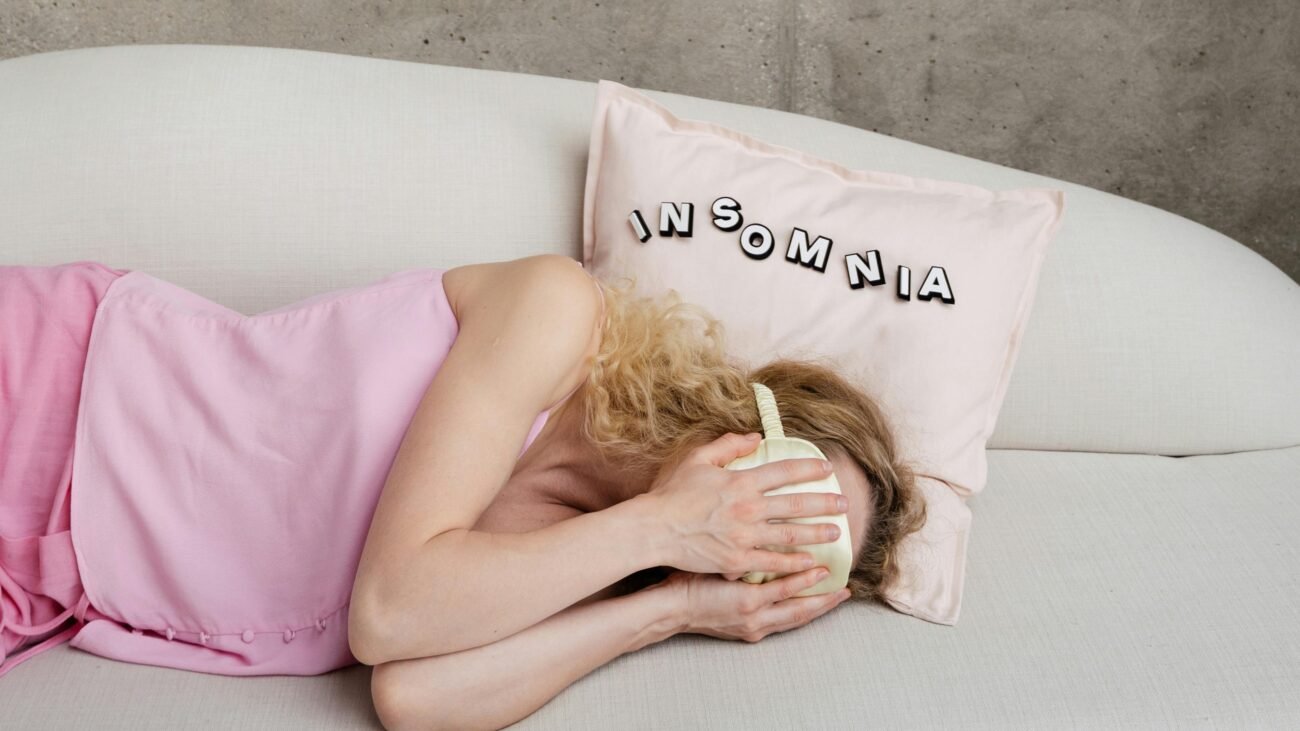
The obsession with sleepmaxxing and biological sleep optimization has turned the act of sleeping into a very competitive, data-based sport. Even though focusing on sleep optimization from a biological standpoint may be scientifically sound, this excessive preoccupation with sleep scores, viral morning light routines, and brutal supplement regimens can lead to orthosomnia: an anxiety-driven condition that causes insomnia. When we strip away the social media hype, we discover an alarming difference between the information gathered from advanced biometric sleep sensors and how our circadian biology actually works. These are the facts about the 15 most popular trends in sleep optimization:
Too Much Emphasis is Given to Blue Light Blockers
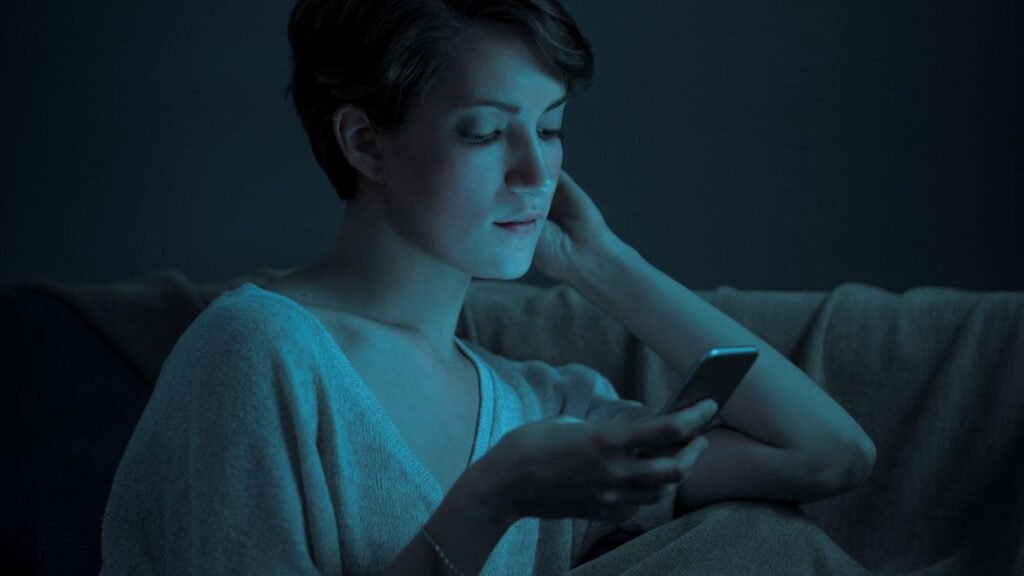
Although blue light might reduce the production of melatonin, its intensity is often much less than when one goes out during daylight. More importantly, mental stimulation is also a significant concern.
High Doses of Melatonin don’t Guarantee Better Sleep

Melatonin is a hormone that helps regulate the timing of sleep; however, large doses will not necessarily improve your sleeping conditions because this hormone does not have the effect of a sleeping pill.
8 Hours of Sleep is a Generalization
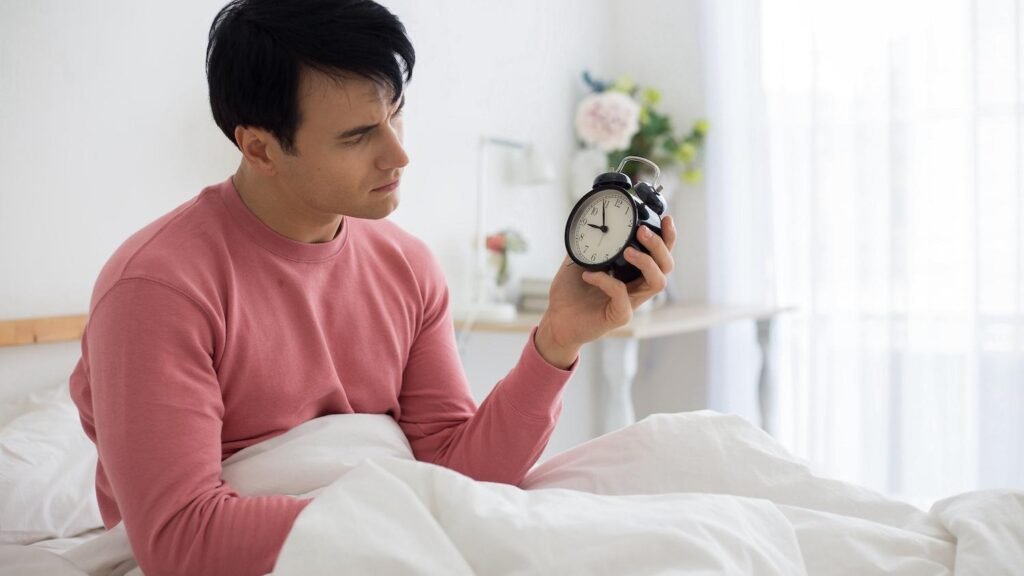
The number of hours people require for their optimal functioning varies depending on genetics, age, and activity type. Some may require 6.5-7 hours, and others might need a different period.
Magnesium isn’t Effective in all Cases
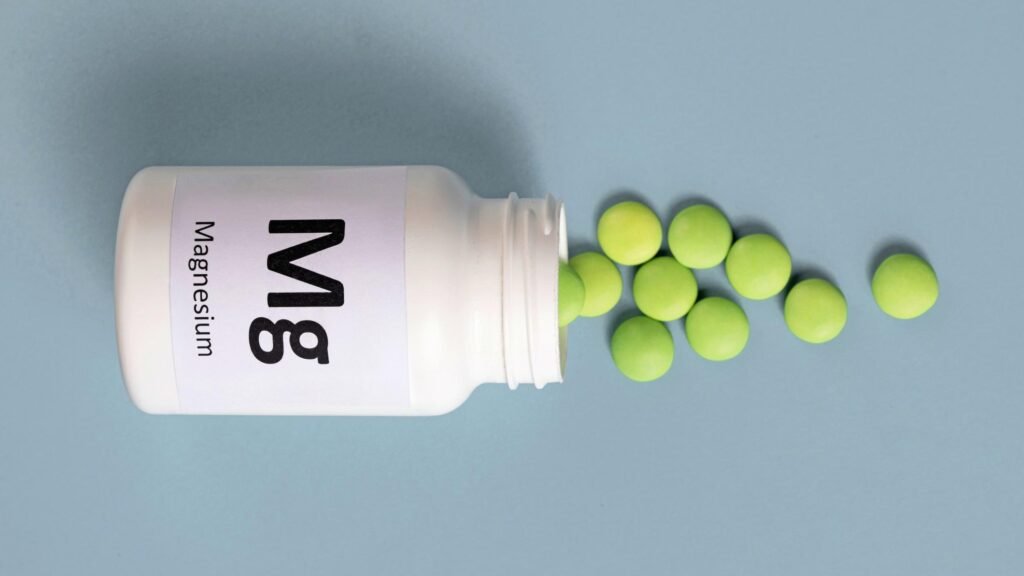
Magnesium is recommended by many experts to induce better sleep; however, it can only be effective for some people due to various physiological differences.
Sleep Hacks often forget about Stress and Lifestyle
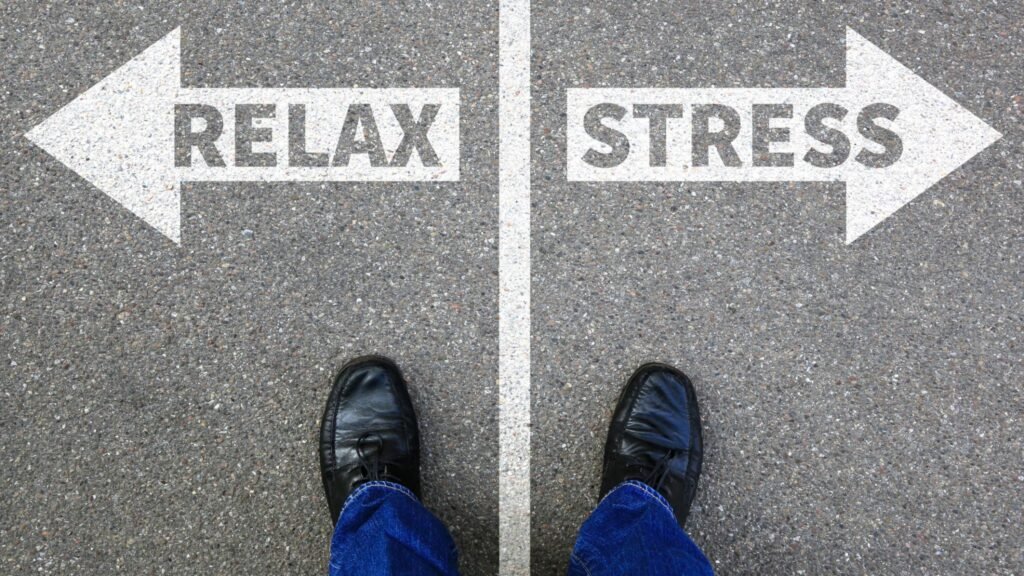
No pill or device will make up for chronic stress, an unhealthy diet, and a lack of exercise. Many sleep hacks ignore these basic prerequisites, which affect sleep quality to a greater extent.
It’s When You Consume Caffeine, Not How Much
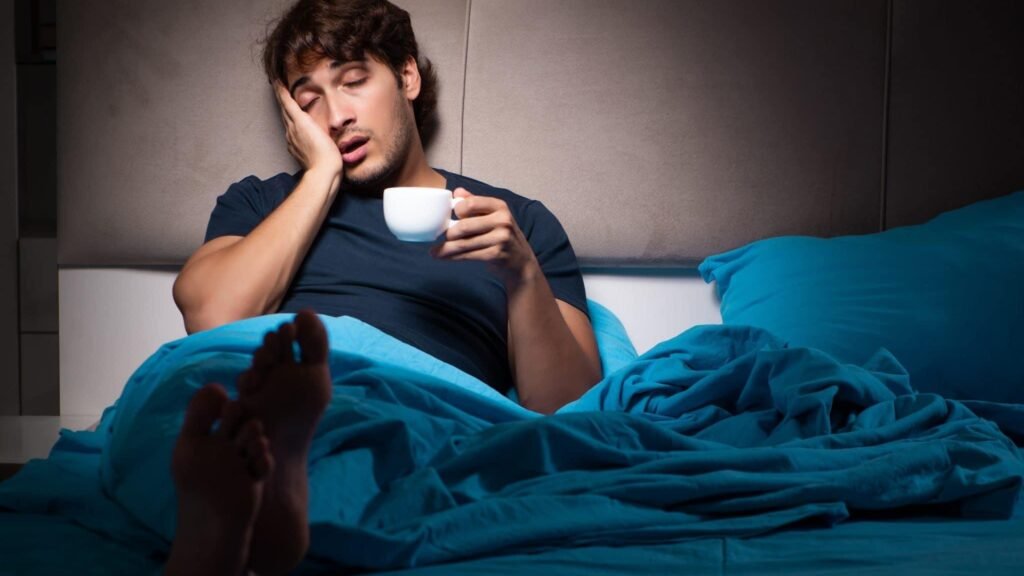
People often think about the amount of caffeine they take, but timing is more important. Consuming caffeine even six to eight hours before going to bed affects your sleep architecture without showing any noticeable signs.
Weighted Blankets aren’t for Everyone
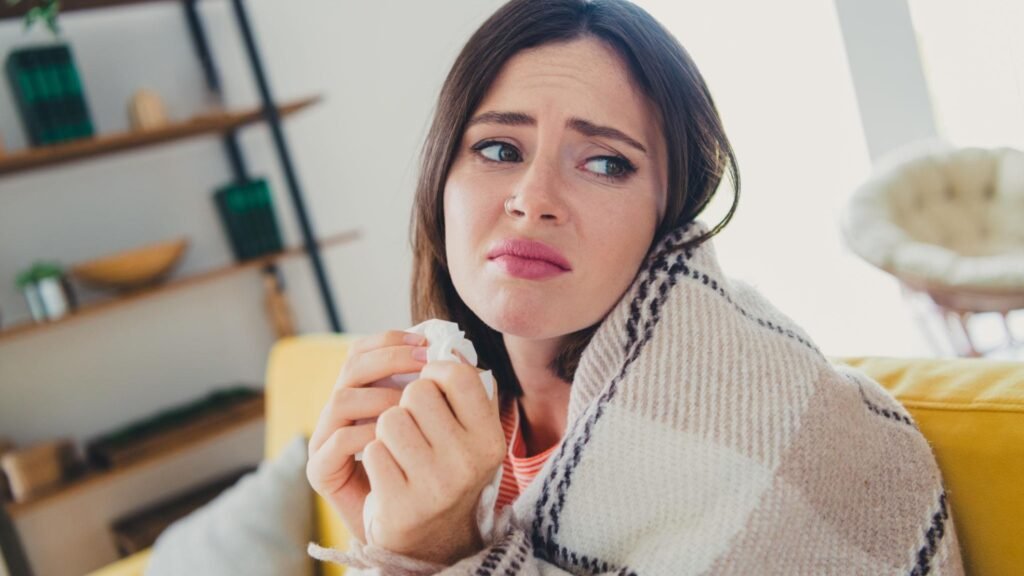
Although weighted blankets relieve some people from stress due to the pressure stimulation effect, there is no scientific evidence regarding their effectiveness. These blankets may reduce anxiety for certain individuals, but they won’t work for everyone.
Bedtime Procrastination Can Be a Very Real Hindrance
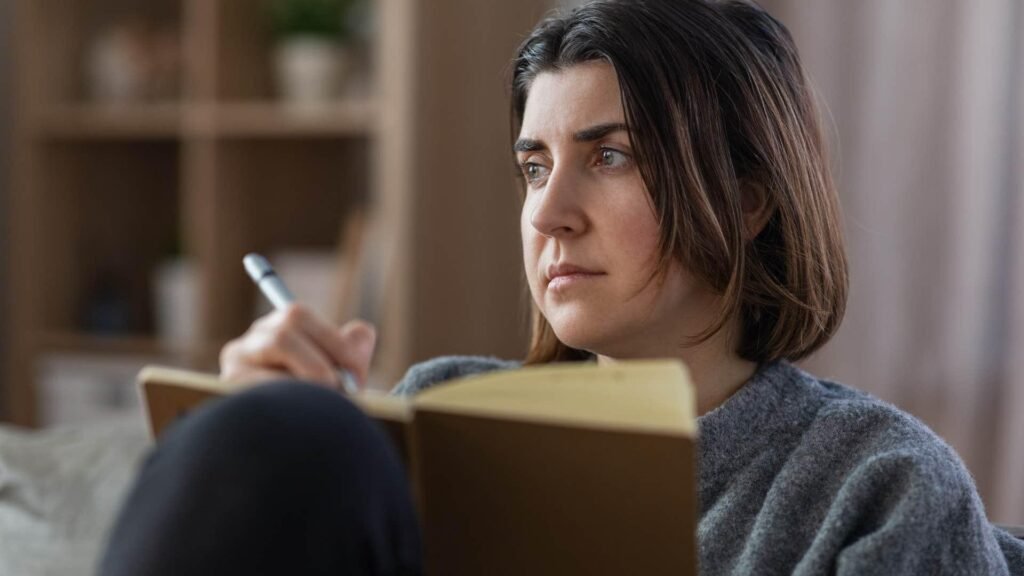
People delay their bedtime to get some personal space back after a long day of work. Such habits can prevent one from getting enough sleep despite having tried all the optimization tips.
Over-Optimizing Will Make Things Worse
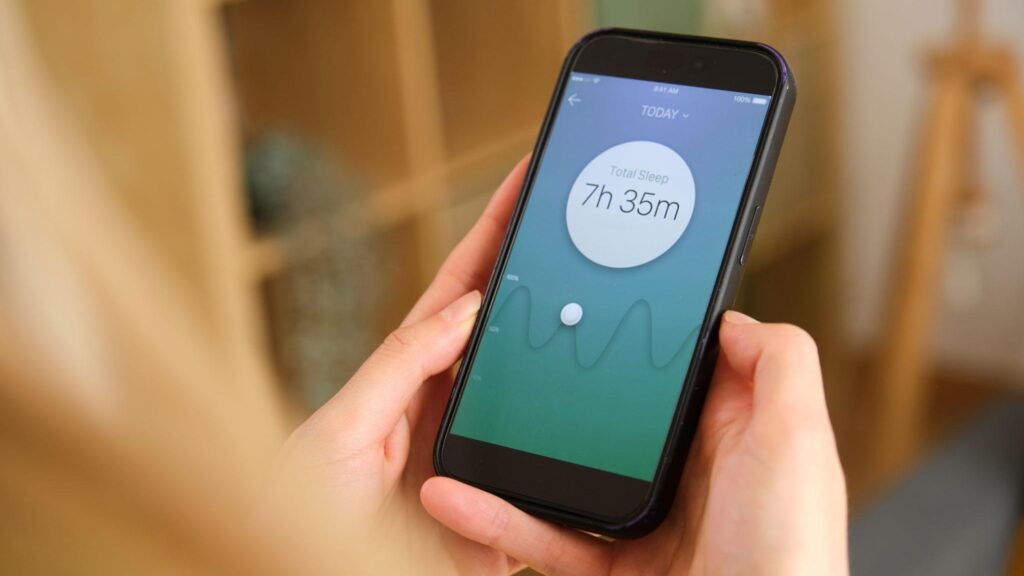
If you are going to implement all the sleep optimization tips simultaneously, it might do more harm than good. Being hyper-aware of your sleep won’t be helpful in this case.
