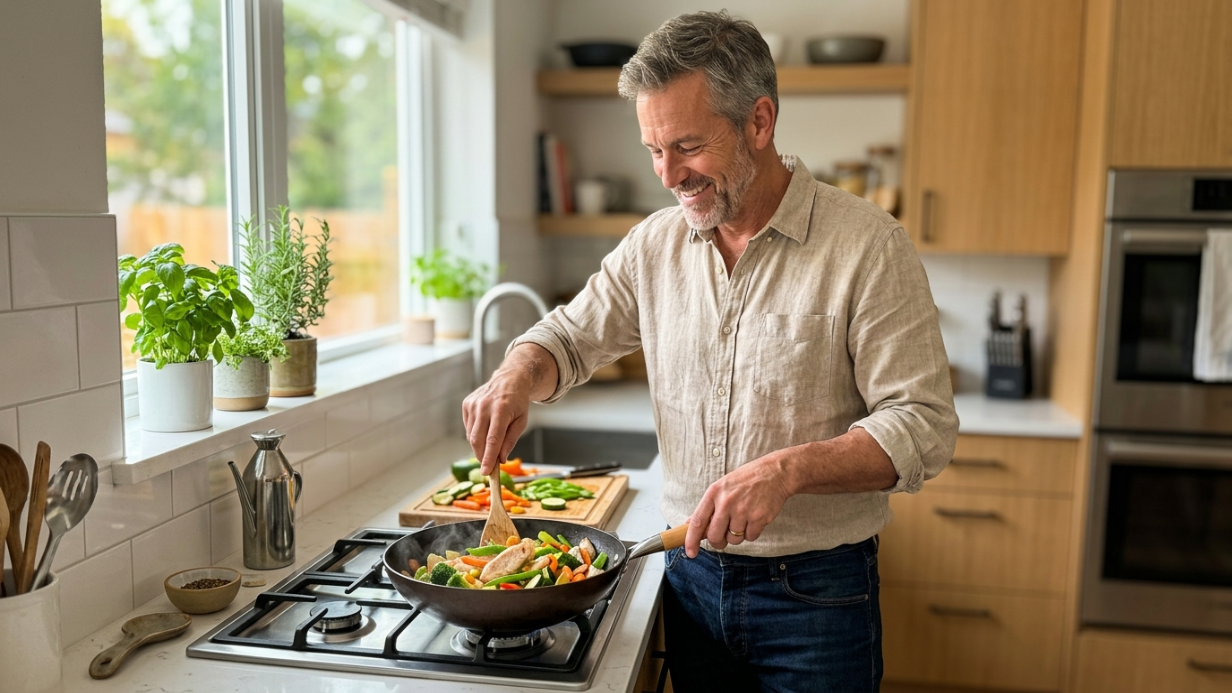
One of the most effective ways to improve your metabolism is by reducing oil consumption. Although fat plays an essential role in your nutritional intake, the current method of food preparation is highly dependent on oils to add flavor and texture to foods. Through the acquisition of techniques to transfer heat in different mediums and the utilization of fats that already exist in the natural components of foods, we will be able to enjoy all the tastes and textures that come with oil without putting any unnecessary stress on the system.
Use Oil Sprayers Rather Than Pouring
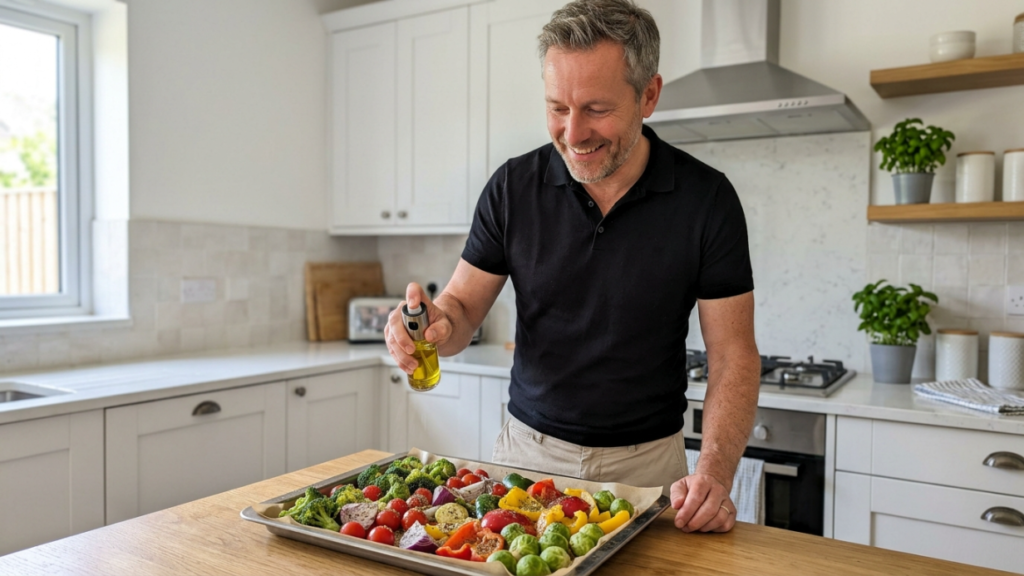
An oil sprayer breaks down the liquid fat into fine particles, resulting in maximum surface coverage and a reduced volume. This technique proves helpful in roasting your vegetables and greasing the cooking surfaces. A tablespoon of oil contains about 120 calories- an amount that can be reduced to a minimum with an oil sprayer.
Use Steam Instead of Frying
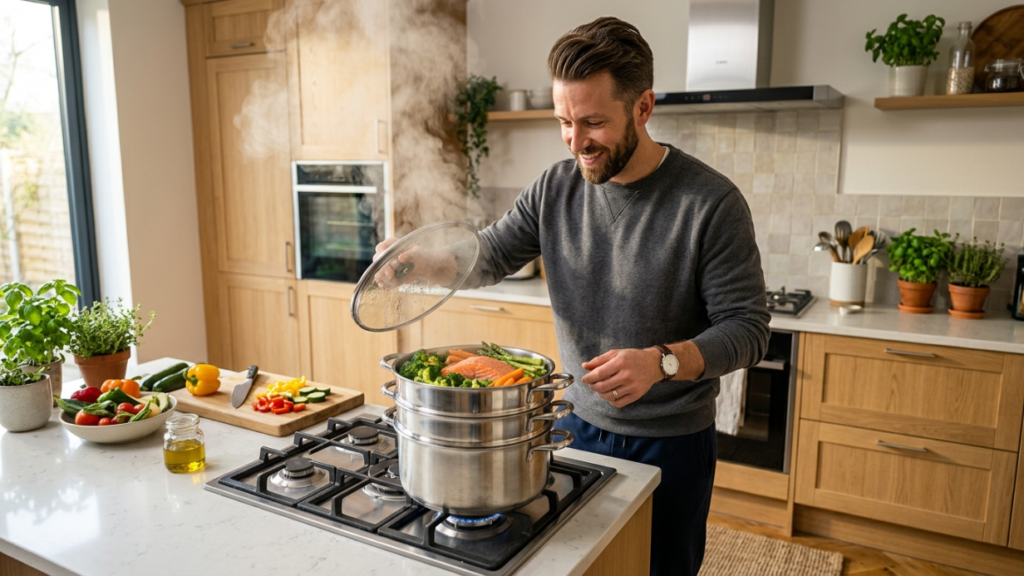
The steaming process involves cooking using steam. This method is highly effective for preparing foods such as vegetables, fish, and dim sum. The nutrients are preserved while using steam; besides, there is no need for oil.
Bake, Roast, or Use an Air Fryer
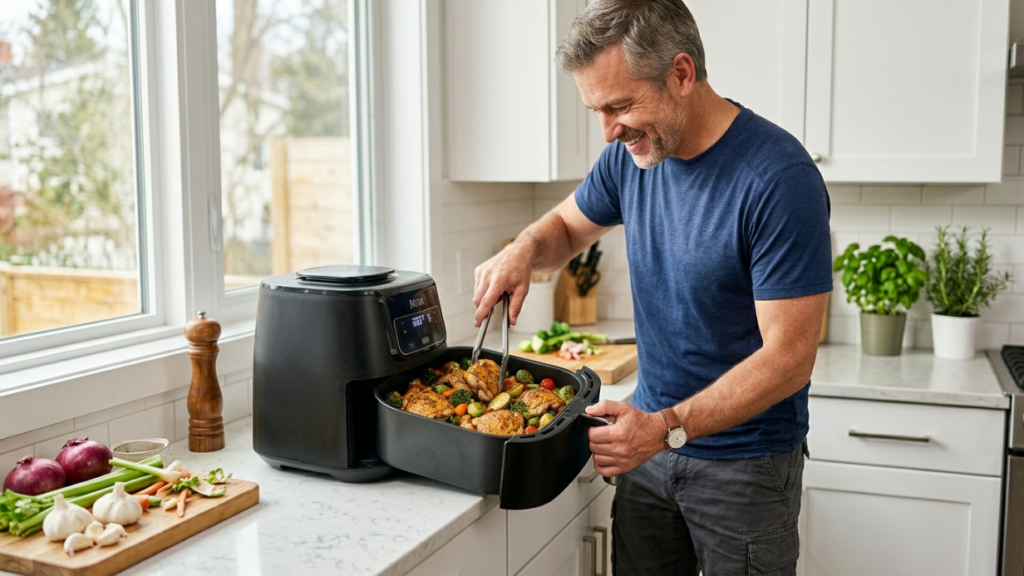
Temperatures used in these methods must exceed 200°C. In this case, the crust will be formed with minimal use of oil. Air frying involves moving hot air in order to simulate deep frying but without high amounts of fat; a few drops of oil may be enough.
Marinate
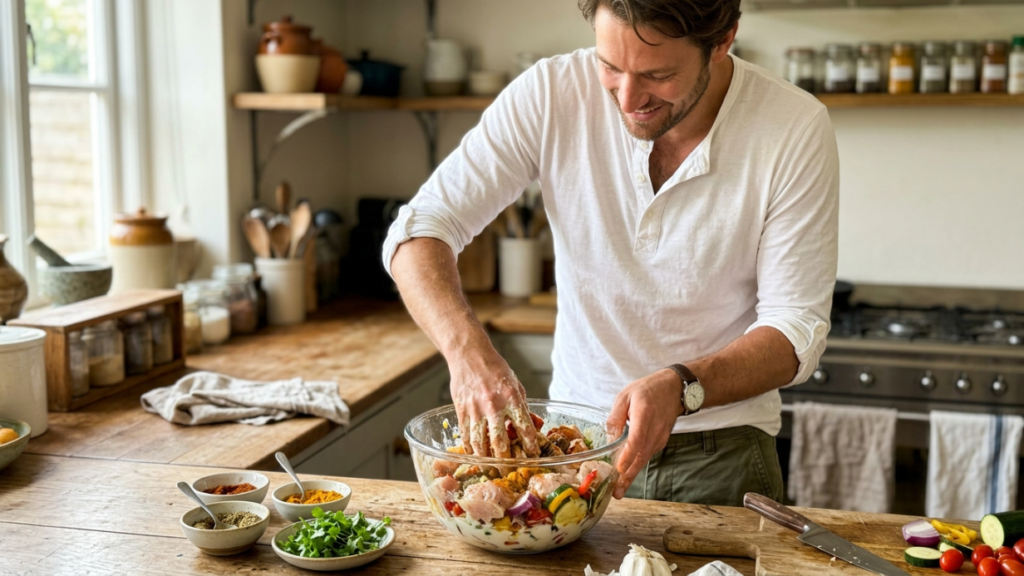
The marinating process helps to compensate for the lack of oil by adding moisture and taste to the products before cooking. Acids that are involved in this process dissolve proteins and make them tender. Indian cuisines often use yogurt for marinating, as it gives some coating to products and prevents them from drying up during cooking.
Cook over Medium Heat
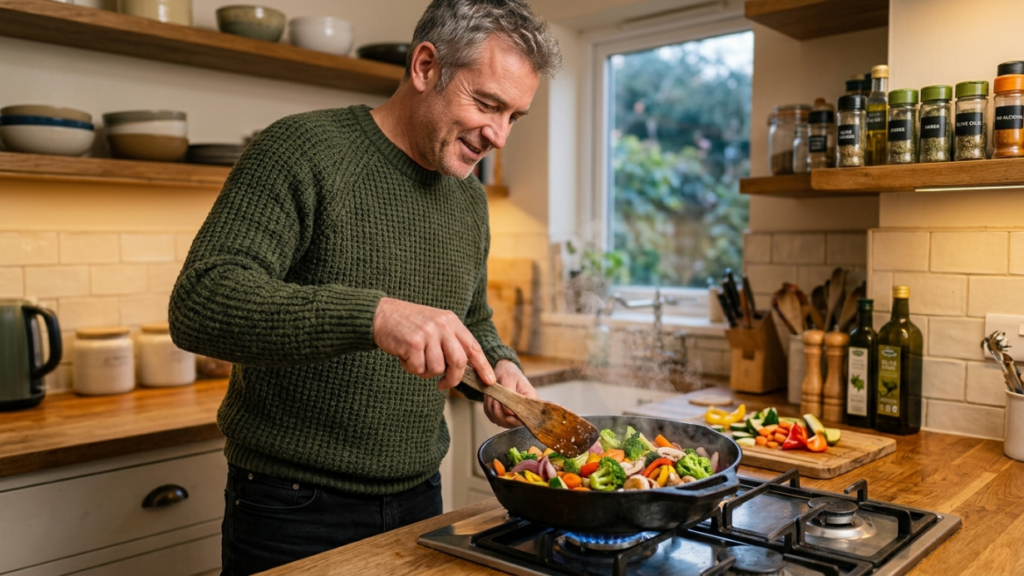
With medium heat, you get gradual cooking with sufficient time to let out some natural moisture from the ingredients. It lubricates the pan naturally. Controlled heat helps to avoid burning. It seems to be a flavor, but it’s just deterioration.
Make Use of Naturally Non-Sticky Ingredients
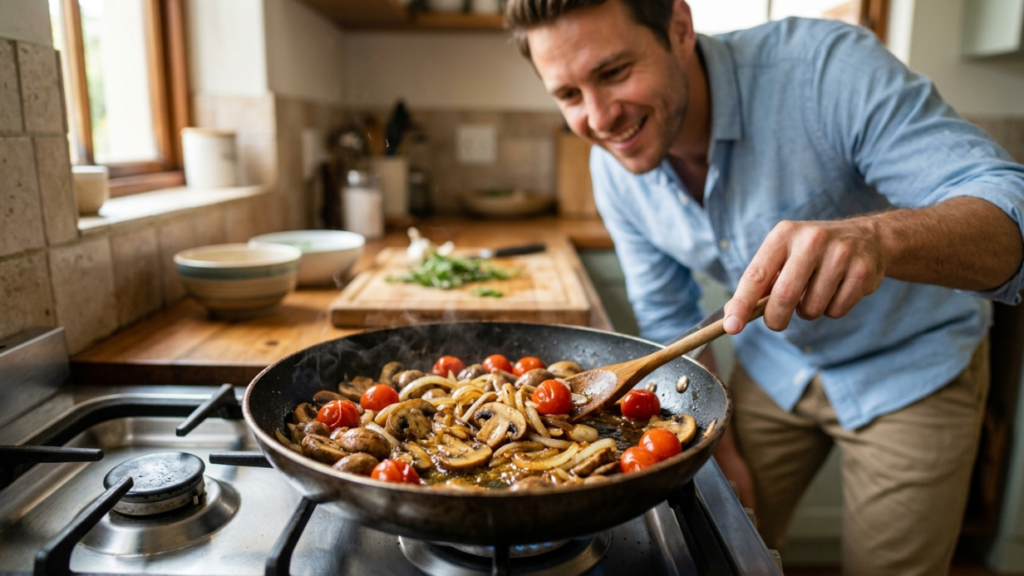
There are a lot of vegetables, like onions, mushrooms, zucchini, and tomatoes, that contain a lot of water in them when being cooked. The start of the cooking process with those vegetables will allow you to get a wet surface and prevent sticking. For instance, you may sauté onions first. It allows you to get a cooking base of released juices before adding the drier ingredients.
Choose Thick Gravies Rather than Greasy Sauces
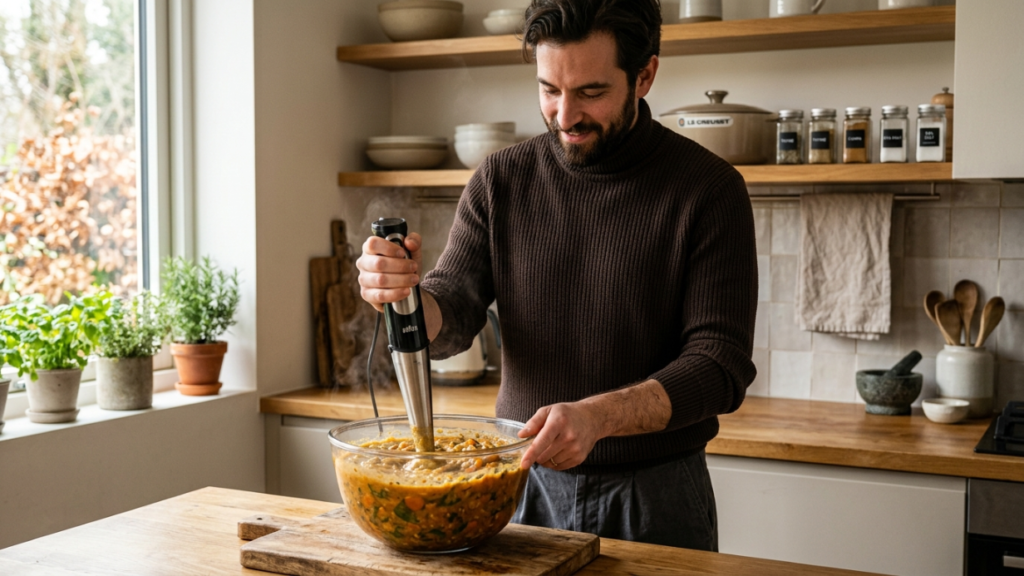
Instead of oil that gives thickness to the food, try to use blended vegetables, legumes, or milk replacements to thicken sauces. There are a lot of recipes that use cashew nuts, lentils, and even tomatoes to prepare a nice sauce with less oil needed.
Use Spices and Herbs Effectively
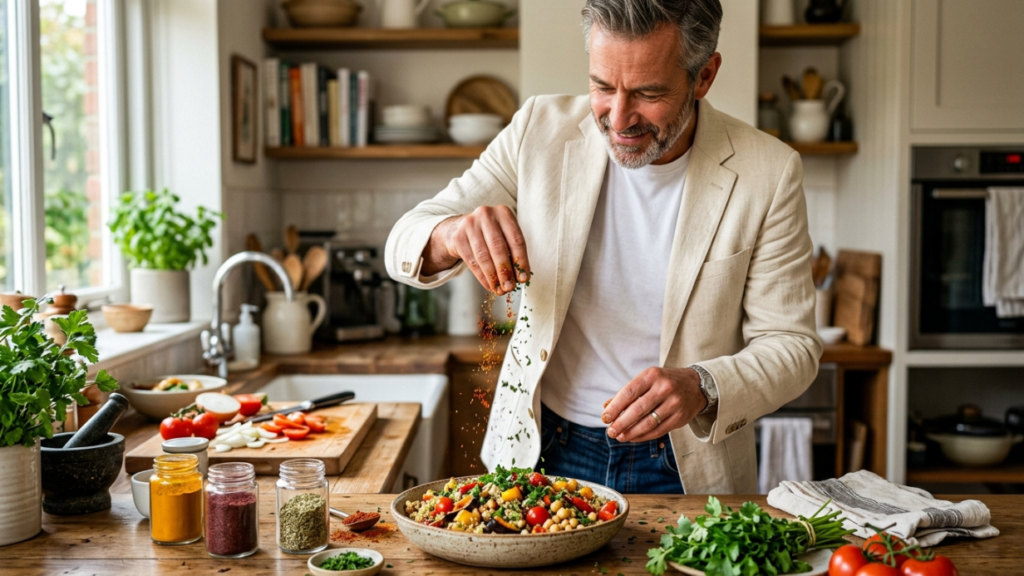
The common assumption is that oil is what brings flavor. But oil only serves as a vehicle for delivering other flavors, which come from spices, herbs, and aromatic ingredients. Using different layers of flavors by first using whole spices, then ground spices, followed by aromatic herbs, will achieve this without necessarily needing oil.
