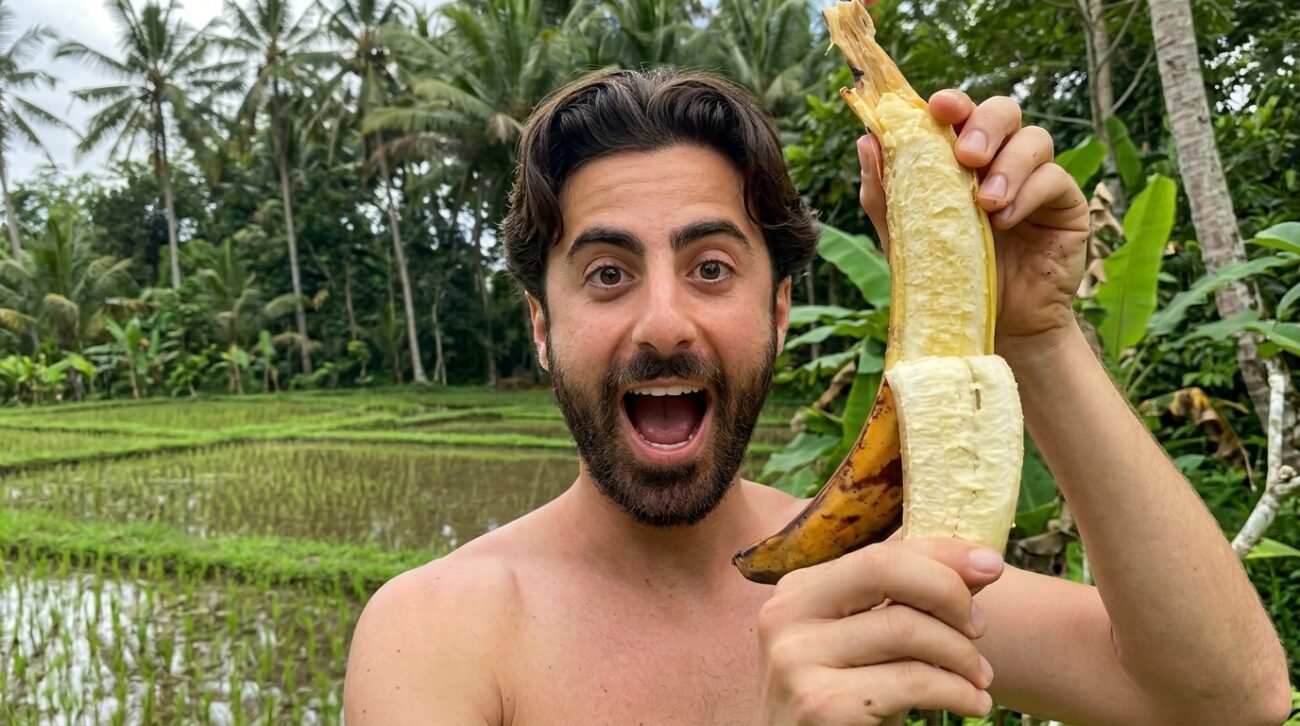
Most people grow up eating one familiar yellow banana from the grocery store, but the banana family is far more diverse than what shows up on supermarket shelves. Across tropical regions of the world, bananas come in many shapes, sizes, colors, and even with seeds inside. Some are huge, some fit in the palm of your hand, and a few look more like a piece of art than a piece of fruit. Here are some of the most surprising banana varieties from around the world.
The Giant Banana That Keeps on Peeling
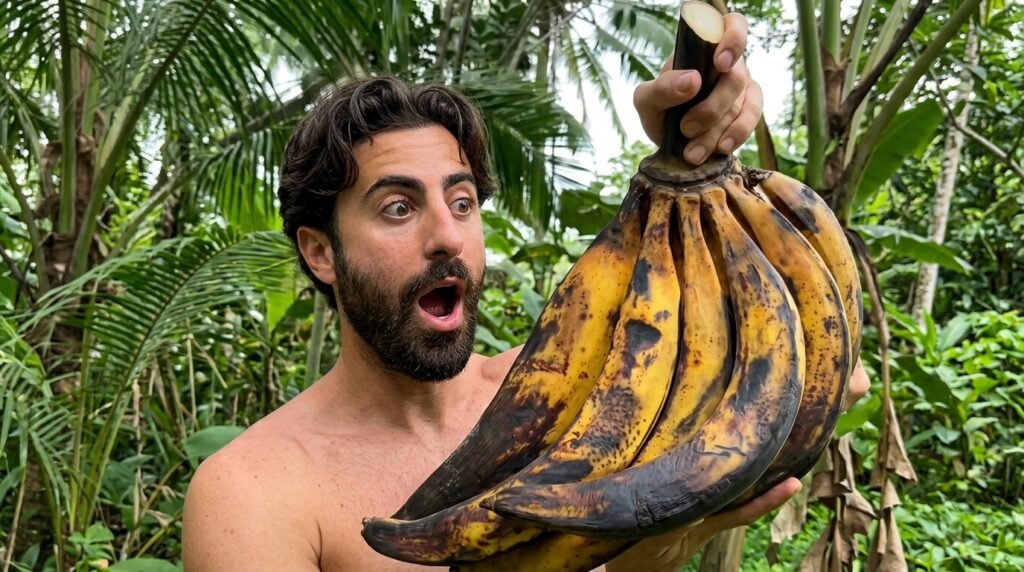
Among the most striking varieties is a long, oversized banana that seems to keep going as you peel it. Jumbo bananas, often grown in Southeast Asia and the Pacific, can grow much longer than standard varieties. They are starchier than common dessert bananas, so many giant types are cooked or fried instead of eaten raw.
Seeded Bananas: Closer to the Original Fruit
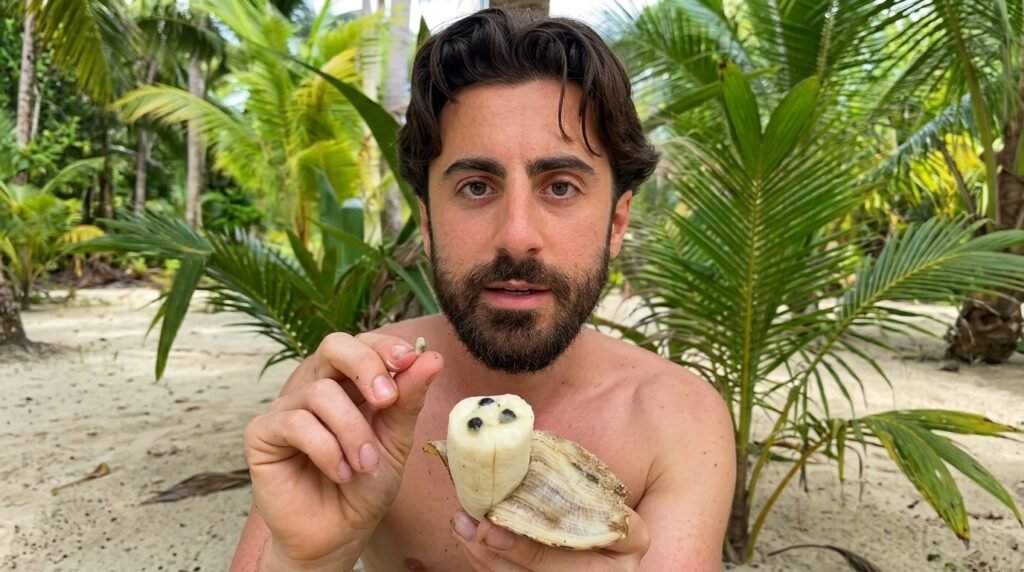
The vast majority of bananas sold in supermarkets are hybrids, which have been bred to be seedless. Bananas, however, have hard black seeds in the flesh that are not found in wild and traditional bananas. These seeded bananas are seen to be more like what the original bananas were before commercialization. They may be less palatable but are an indication of the fruit in its natural state.
Rainbow Bananas in Red, Orange, Yellow, and Green
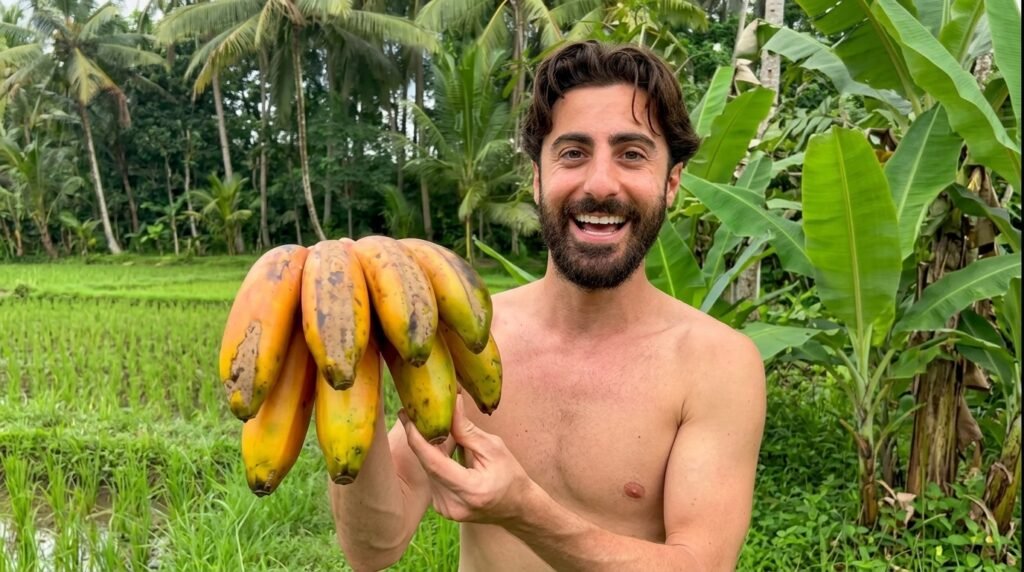
Bananas do not always come in the shade of yellow. Some varieties turn red, orange, pink and green as they mature, giving an impressive ‘rainbow’ appearance when collected. Red bananas are especially popular in portions of Central America and Southeast Asia, and are a little sweeter and creamier than their yellow counterparts. In appearance, the bananas appear more painted than grown when they are a mish-mash of colors.
Namwa Bananas: The Sweet Short Fatties

Namwa bananas are short, fat, and round bananas that are cultivated across Southeast Asia, including Thailand and other nations. Some call them short fatties just because they are short, fat and round bananas. They have a very sweet taste, and are described as being moist and slightly chewy with a soft, buttery taste. Fresh, grilled and traditional dessert, their natural sweetness truly shines through.
The Tiny Bite-Sized Banana
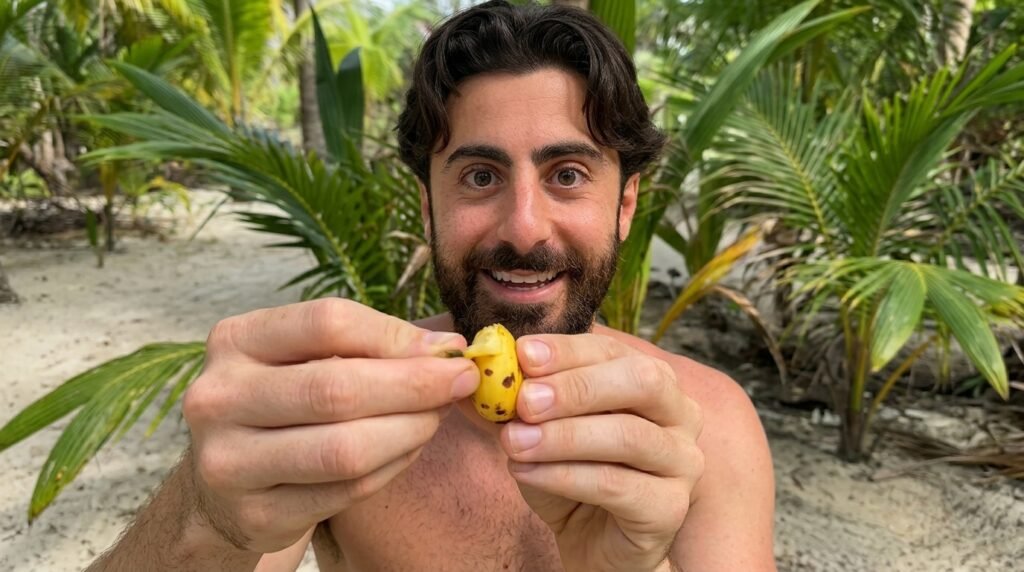
The world’s smallest banana is on the other end of the spectrum, and is sometimes just a few centimeters long. Skin is very thin and may peel, but in most cases the entire fruit can be eaten in one bite. Although small, these mini bananas are very sweet and aromatic. Many of them are the original fast food, duly proportioned by nature.
Why Banana Diversity Matters

Bananas that are most prevalent in supermarkets all over the world are mostly Cavendish, the only variety which is highly susceptible to disease. The lesser known varieties are not only curiosities from other parts of Asia, Africa and Latin America. They are a source of genetic variation that may be used to preserve the future of bananas as a crop. When you are traveling or shopping at special stores try out different varieties and you’ll learn how versatile this common fruit can be.
