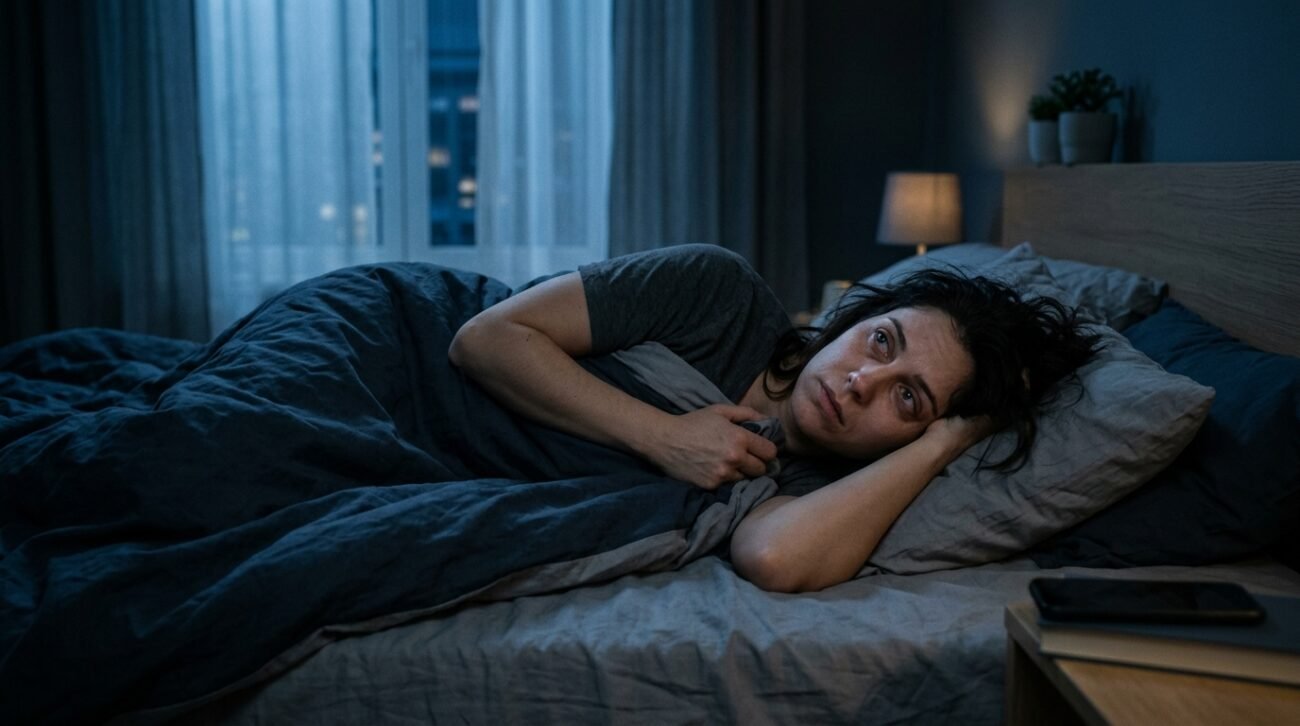
Your nightly routine is where the line is drawn between an exhausting day and a deep, revitalizing night of sleep. Many individuals emphasize the importance of sleeping for a certain amount of time, but the quality of sleep is largely determined by your body’s physiological condition prior to falling asleep. Minor activities that occur before bedtime may stimulate the sympathetic nervous system, also known as the body’s “fight or flight” mechanism, and disturb your circadian rhythms.
Glycemic Surges in the Evening

Having a late-night meal or a sweet snack will force your body to digest food when it should not be doing so. This will increase the internal temperature of your body while also causing an elevation in blood glucose, thus promoting the secretion of insulin while inhibiting the HGH production of your body.
High-Stress Brain Stimulation
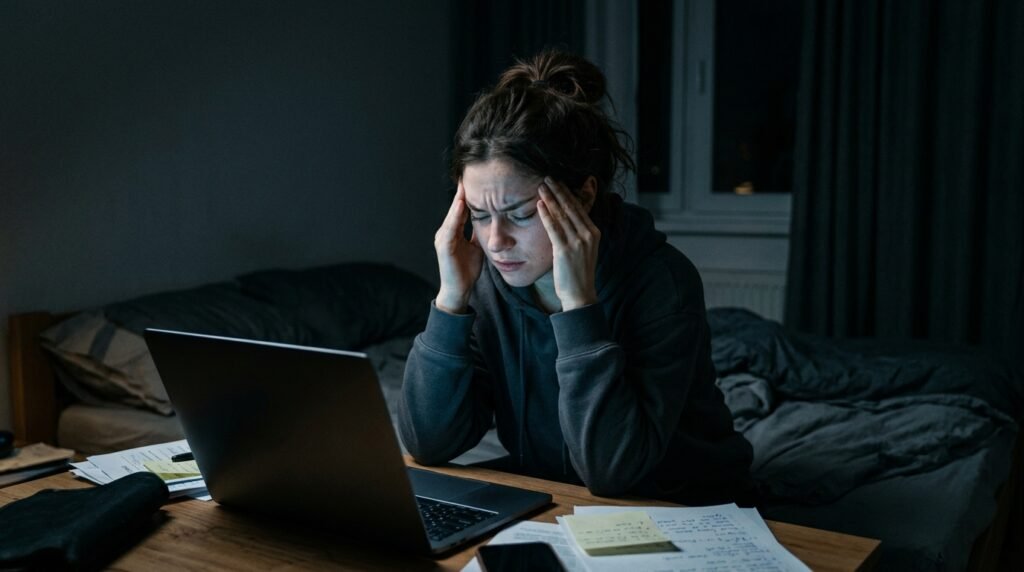
The activity of the brain, such as reading about work stress and money matters, as well as other types of stimulation that engage the brain in complex activities at night, may cause high levels of cortisol, preventing you from relaxing.
Late Intense Physical Activity

Working out at an intense level in the last couple of hours before sleep will negatively affect your ability to fall asleep, as exercise raises core temperature and heart rate and releases cortisol in high amounts into your bloodstream.
Sleeping and Waking Up at Irregular Hours Over the Weekend

Going to sleep and waking up much later over the weekends interferes with the body’s biological clock system and leads to something called “social jetlag.”
The Water Load

Drinking enough fluid per day is vital for health; however, a large glass of it shortly before bedtime almost certainly implies waking up during the night to visit the toilet. Such awakenings interrupt your sleep cycles, making it superficial despite a long period of time spent sleeping.
Excessively Bright Environment
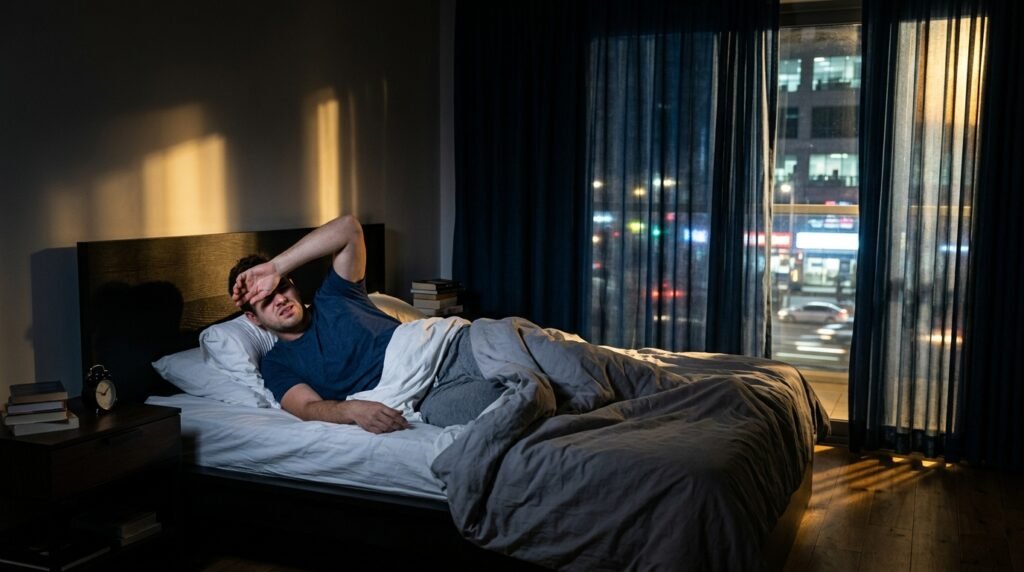
While even the smallest level of light pollution may interfere with sleep, light leaking through a curtain from the outside, through street lamps, or the bright lights of your alarm clock affects your sleep quality negatively by disrupting its cycles.
Excessive Dependence on Artificial Melatonin Pills
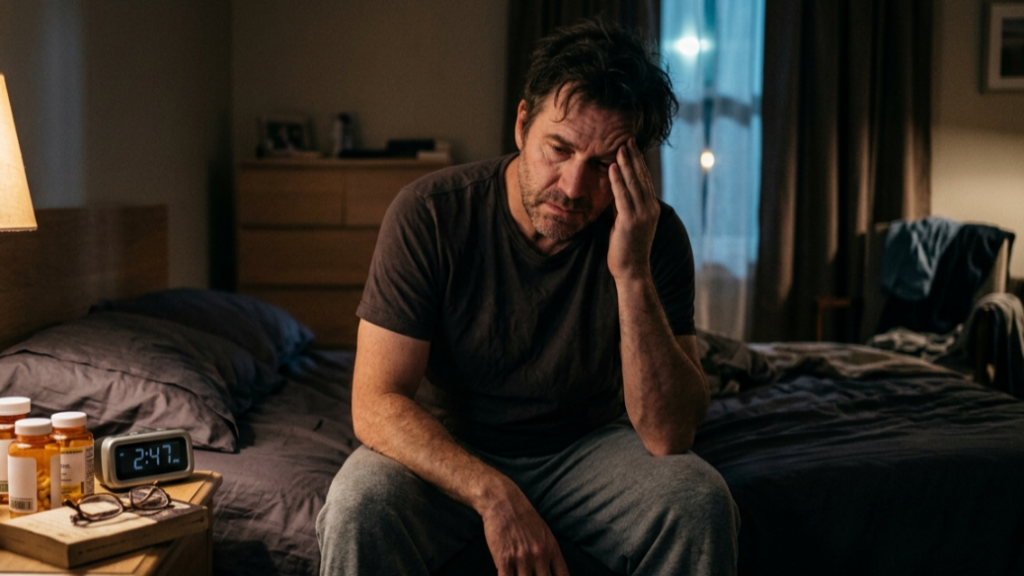
Using a high dose of readily available melatonin pills every day does not address the fundamental reason behind your sleep disorders. External supplementation may desensitize your body to the melatonin and hide underlying problems related to bad light practices and high levels of stress.
Having a Hot Shower before Bedtime
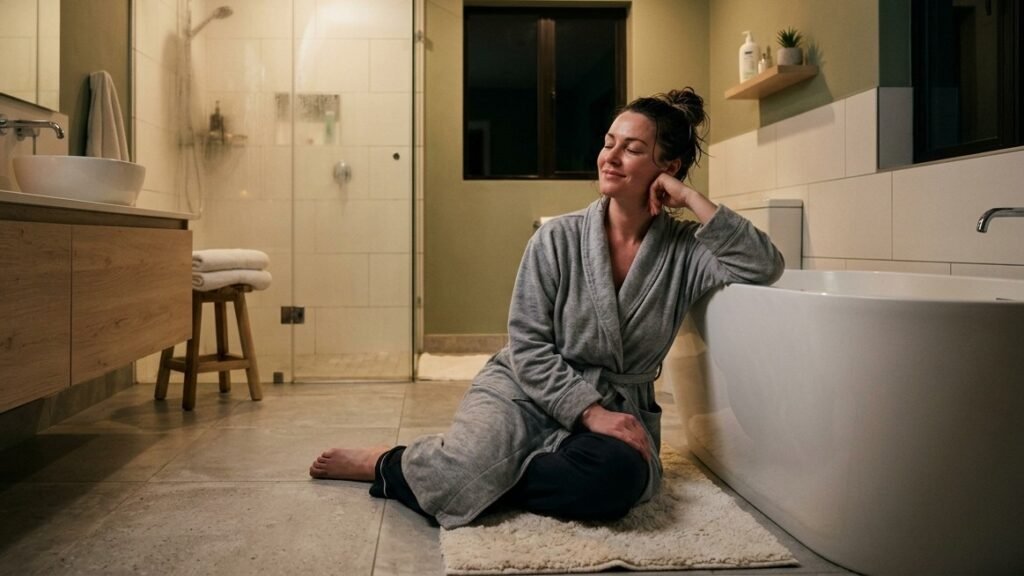
It is true that having a hot shower could help you relax and eventually sleep; however, it would not be wise to dive straight into your bed after having your hot shower. This is because it takes a while for the dilated blood vessels to dissipate the heat. Otherwise, you will retain heat under your bedding.
