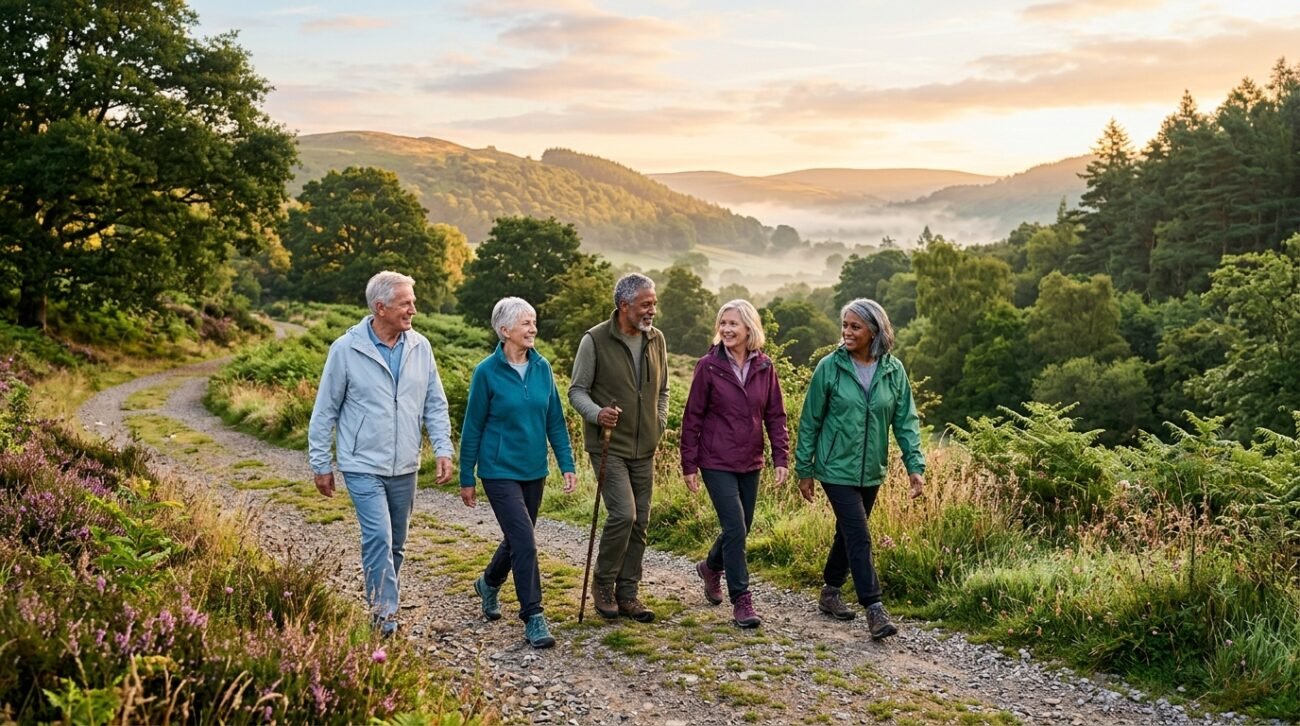
Examining some regions with high numbers of centenarians (often referred to as blue zones) shows that living to be over 100 is seldom accomplished through intense, punishing, high-intensity gym workouts. On the contrary, the world’s longest-living peoples tend to have remarkably consistent fitness routines. Instead of breaking their bodies down during the week, they incorporate movement seamlessly into their routine, focusing on cardiovascular function and healthy metabolic function, which leads to preventing physical burnout and systemic inflammation associated with today’s approach.
Consuming Functional Movement

Long-living people seldom sit for long periods. Instead, their environments and daily lives naturally cue them to be constantly moving. Whether their weeks are filled with manual labor, short walks to the local market, they move about their day every 20-30 minutes, which keeps the metabolic furnace stoked and humming with activity.
Incorporating Regular Low-Intensity Walking
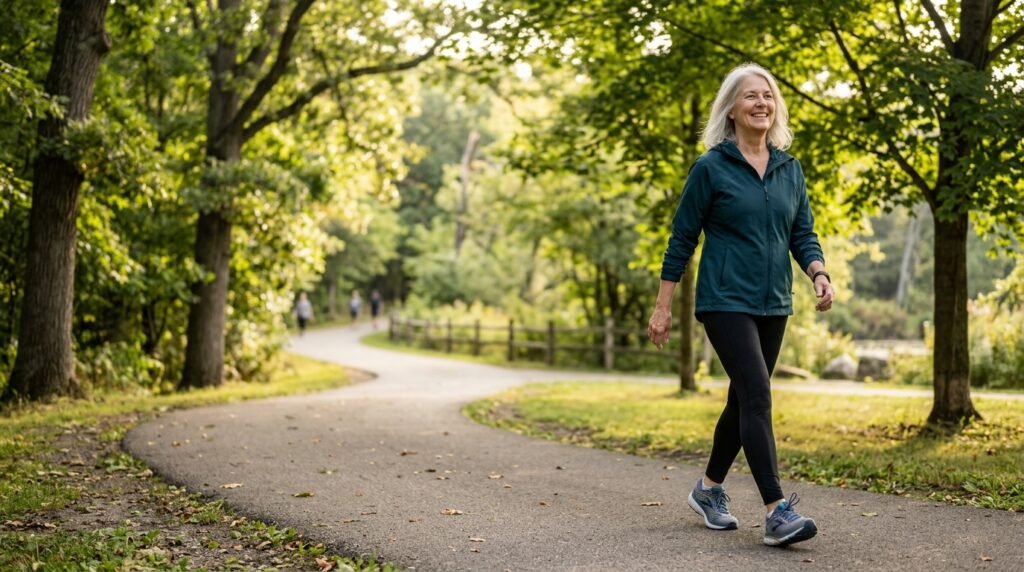
The 30-45 minute brisk walk that one can achieve daily has traditionally been considered essential to a centenarian lifestyle; as a method for maintaining cardiovascular performance readiness and for lowering blood pressure in a resting state, and the development of the cognition levels, while resulting in a low amount of lower body joint degeneration.
Including Regular Zone 2 Cardio Work
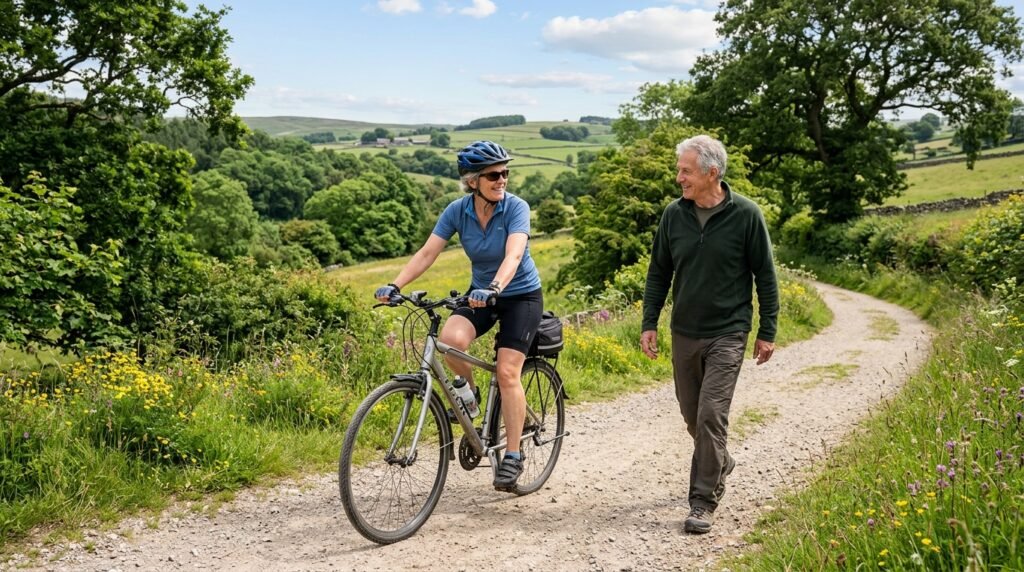
These long-living individuals spend multiple hours throughout the week working their hearts in the ‘Zone 2’ range (where it’s possible to speak without difficulty). It efficiently clears cellular waste products, promotes mitochondrial health, and increases systemic insulin sensitivity exponentially.
Benefiting from Daily Gardening and Yard Work
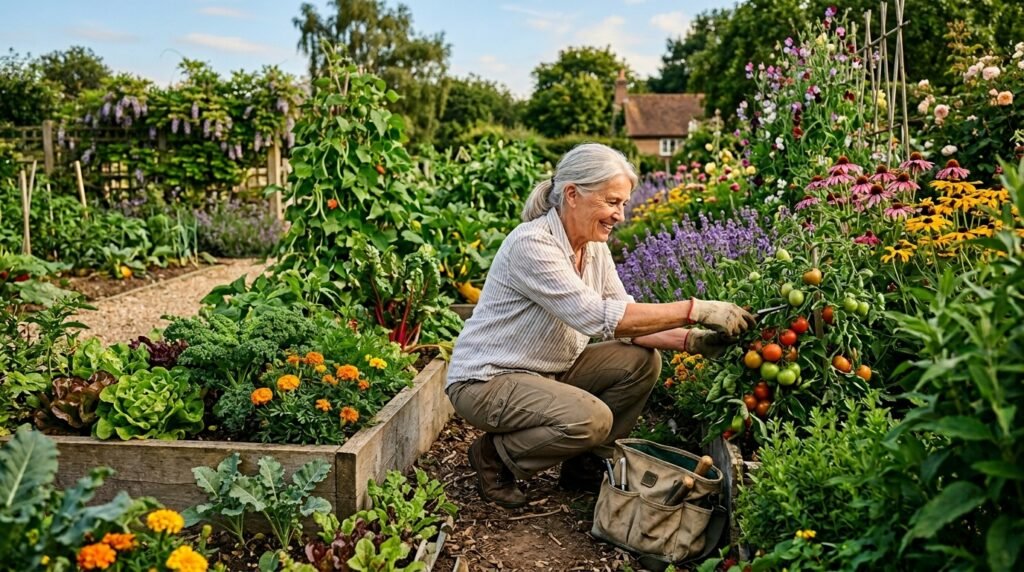
These activities offer a diverse mix of activities ranging from static endurance training involving movements like squatting, bending, lifting, and reaching, to weekly gardening, which enhances functional endurance with minimal joint strain whilst retaining muscle bulk and hand grip strength.
Floor Sitting and Rising for all Age Stages
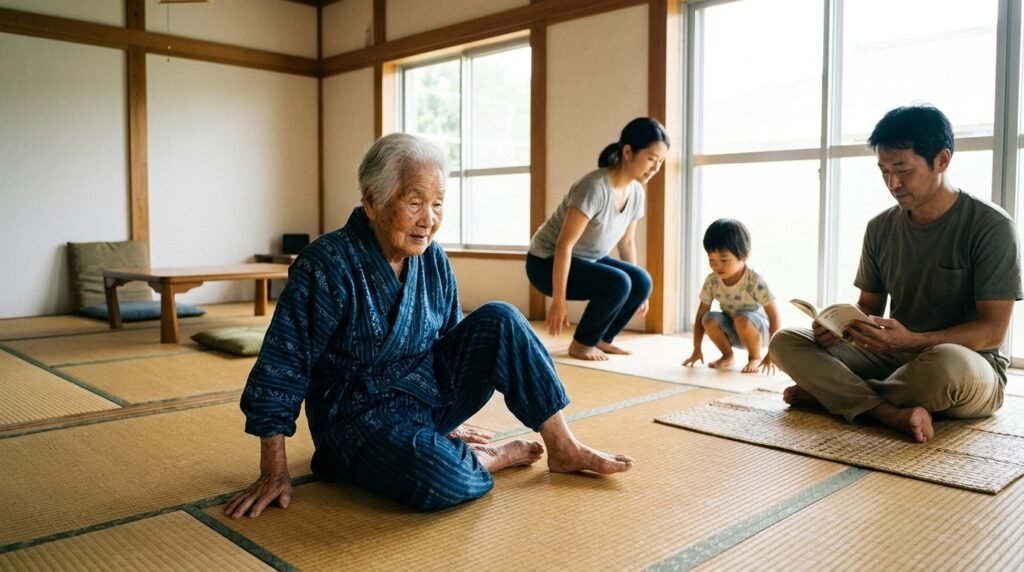
Furniture is at a bare minimum in most regions with high concentrations of centenarians. This means daily resting periods involve sitting on the floor and arising frequently; an act that acts as an informal mobility test that builds strength of the glutes, core, and legs while maintaining flexibility in the hips.
Walking Uphill Regularly
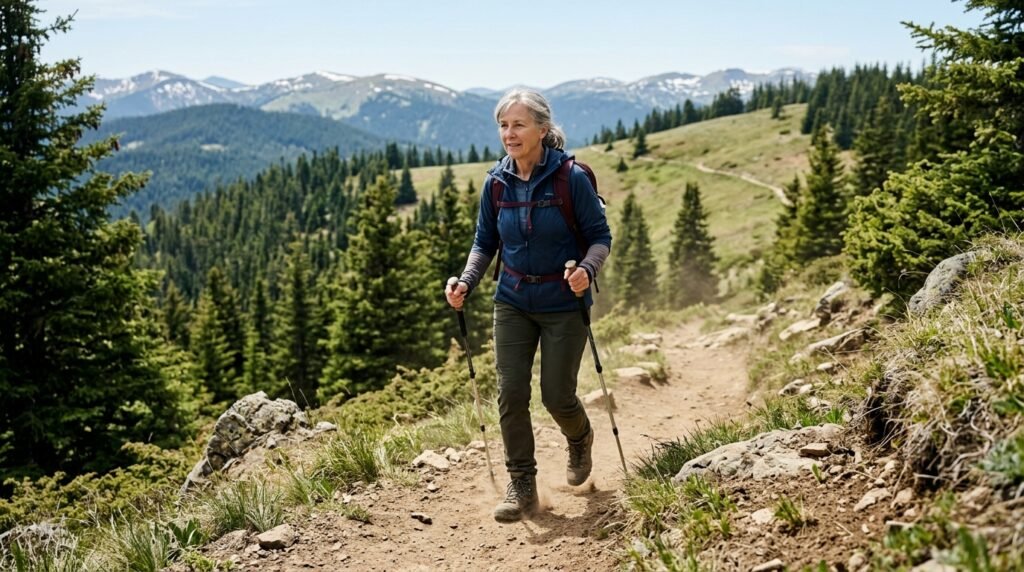
Living in a region with rolling hills or mountains is a major contributing factor to increased walking volume in centenarian populations. Weekly incline walking, though generally not high intensity, is great for lung capacity and for developing the lower legs and the mass of the gluteus and hamstring due to the natural resisted movement.
A Lifelong Commitment to Activity
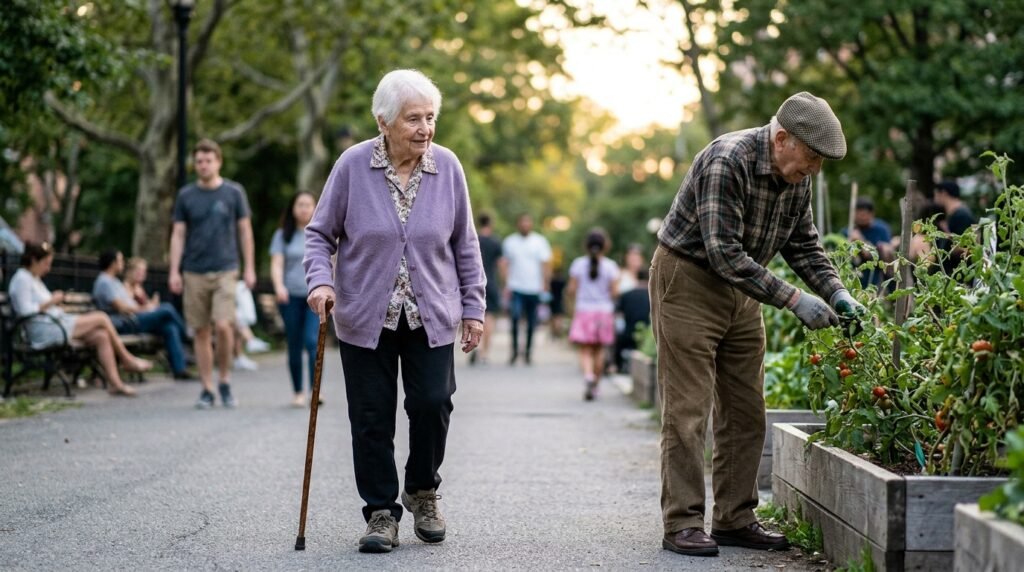
It’s rare to see instances of extremely sporadic, grueling high-intensity sessions among centenarians. Movement is viewed similarly to eating or breathing-it simply must be done every day and with little thought.
Conscious Rest and Active Recovery
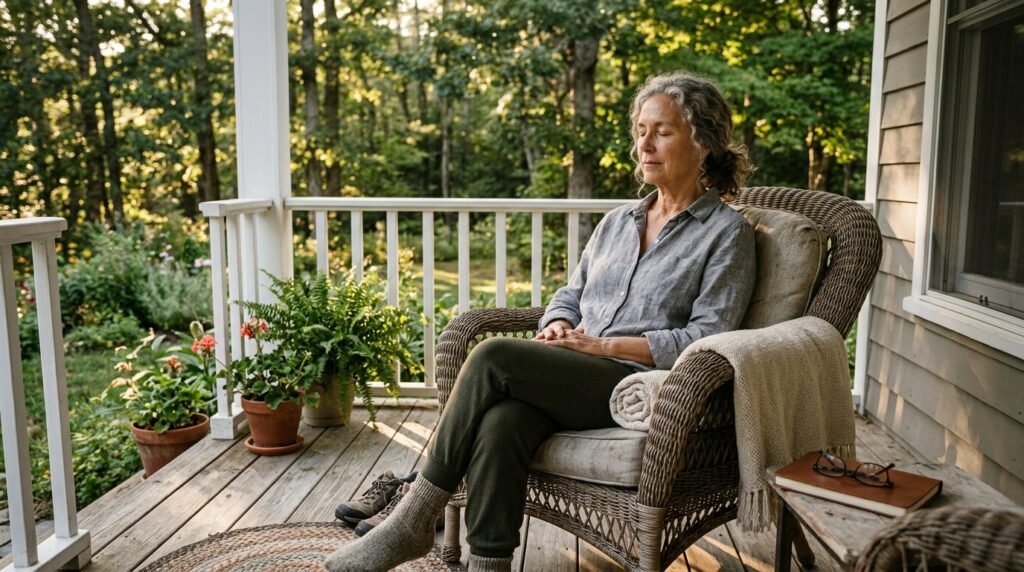
In balance with moving constantly, centenarians also allow the body to recuperate fully from their regular daily movements through restful relaxation. When they are not on their feet and actively moving their bodies, their minds are at ease while their cells work on muscle repair and regeneration.
