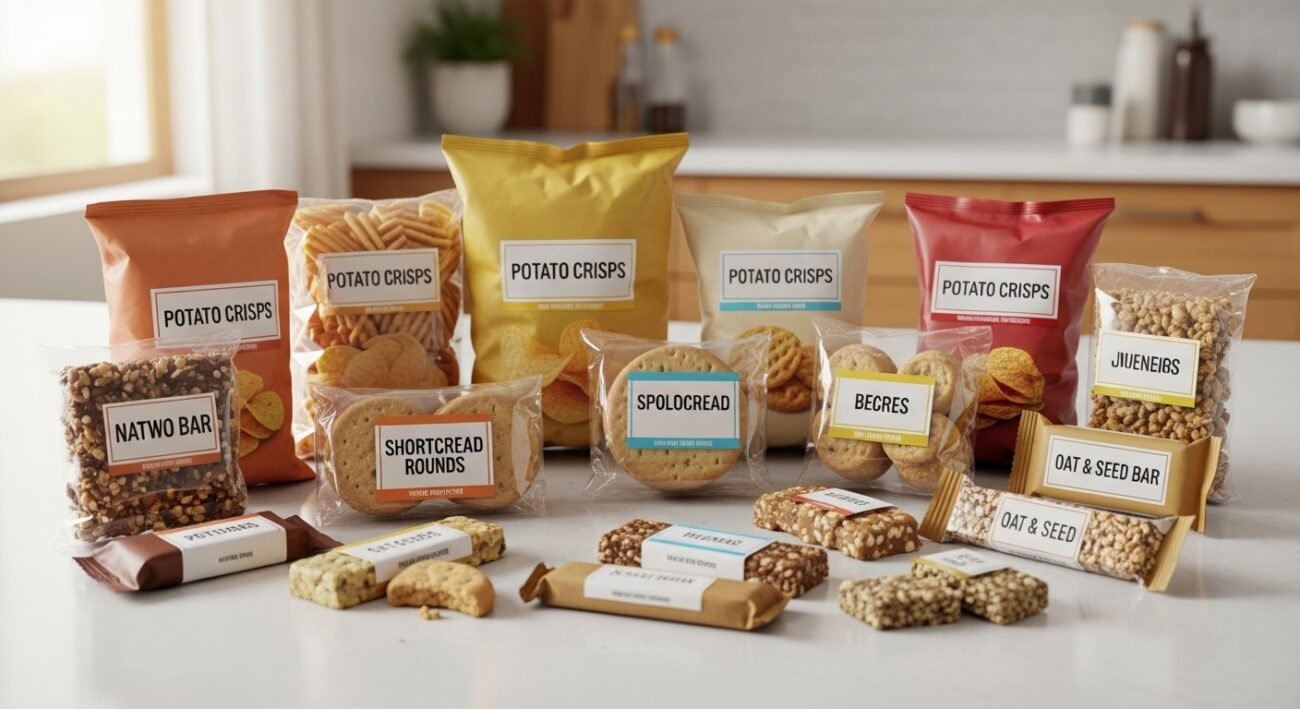
Snacks show up in most daily routines, often just because they are close by or taste good. Life keeps moving, so reaching for whatever is nearby seems to make sense. Still, plenty of choices from stores carry surprises that do not jump out right away. The front may call them pure or powerful, though truth hides on the back where facts sit. Hidden preservatives arrive with lab-made extras designed to last longer on shelves. Not one small amount causes harm right away. Yet repeated meals pile up unseen impacts over time. Spotting each ingredient guides better habits down the road. Clear sight brings change that holds, however gradual it feels.
Hidden Sugars in Everyday Foods
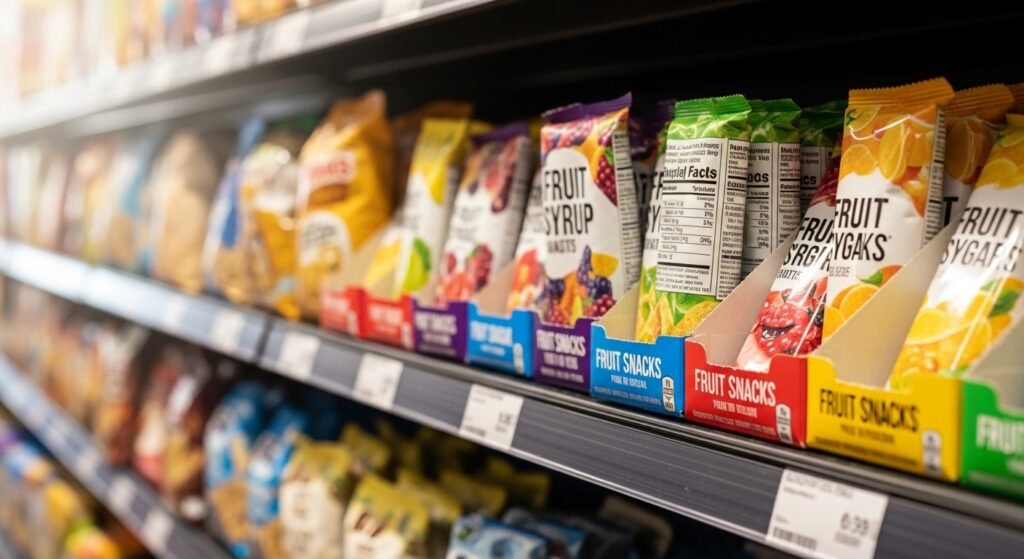
One bite often hides sugary bits called syrups or fake fruit flavors. Energy spikes at first, but slow weight gain follows without notice. Over time, those little boosts can tilt your daily rhythm – balance shifts before you see it coming.
White Flour and Packaged Grains
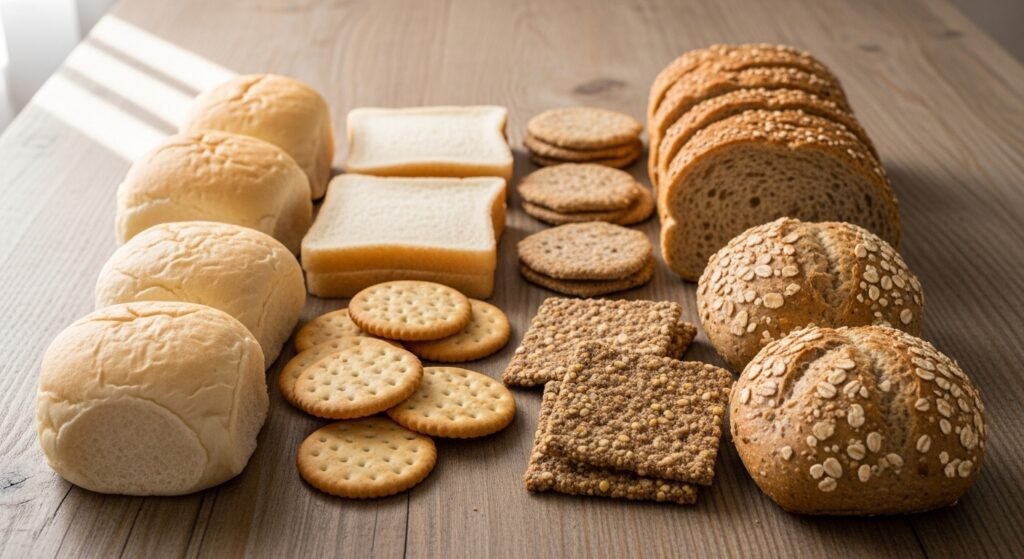
Snack foods usually avoid whole grains, using white flour as the go-to. That switch strips away nutrients yet delivers a softer bite and lasts longer on shelves. When ingredients stay closer to natural form, blood sugar tends to remain steady – rarely seen here.
Artificial Flavor Enhancers
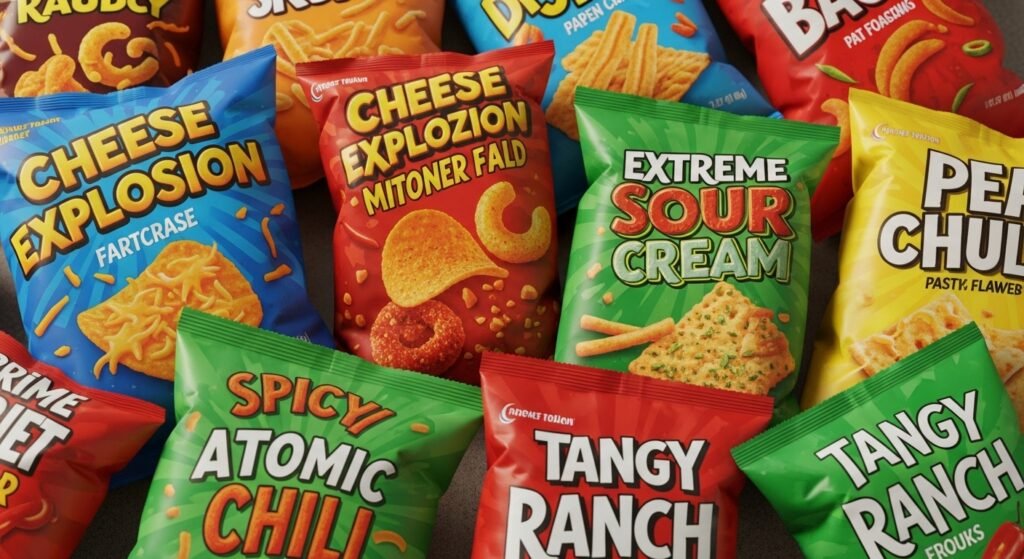
Hidden flavors slip into treats, stirring desire without adding value. Sharpness grows, yet nutrition stays flat. Slowly, preferences drift – processed options begin to outweigh whole ingredients.
Hidden Sodium Content
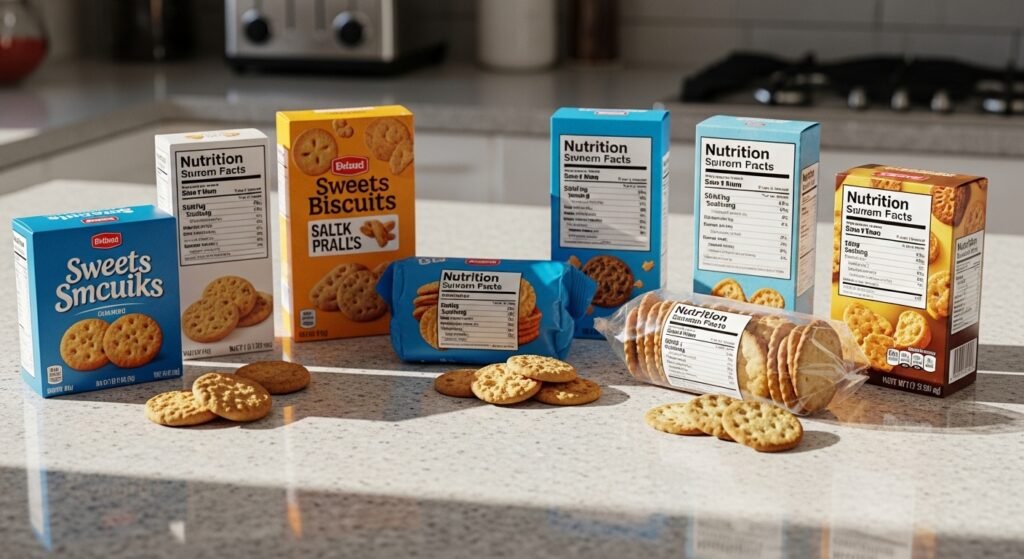
Hidden in sugary snacks, salt appears far more than most expect. Even desserts can pack a heavy sodium punch. Too much of it upsets the balance of what we eat every day if left unwatched.
Preservatives Help Keep Products Fresher Longer
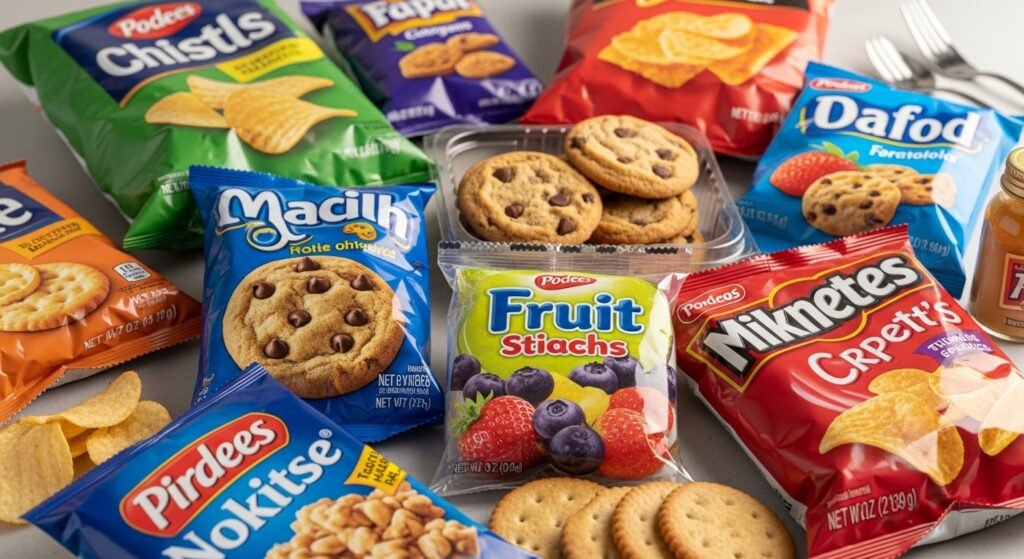
Weeks pass, yet many snacks remain unchanged thanks to added chemicals that delay decay. Spoilage slows down when such ingredients step in, stretching shelf life far beyond natural limits. Yet most folks rarely stop to wonder how these compounds behave once swallowed.
Unhealthy Fats and Oils
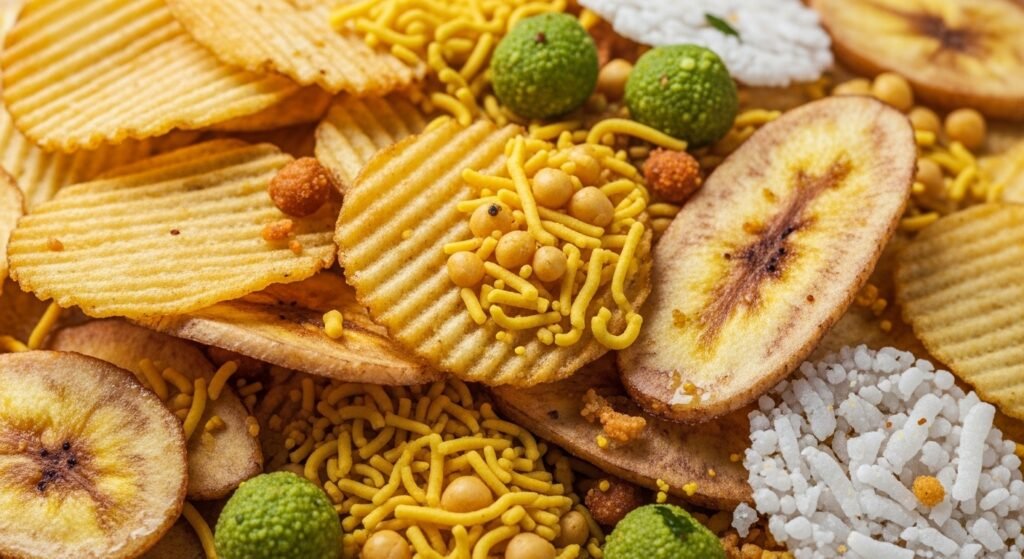
Fried snacks often carry processed oils without warning. Since those fats sharpen crispness while deepening taste, they appear almost everywhere. What kind of oil fills your bite can quietly guide your choice. An odd detail on the label may nudge you toward something different.
Artificial Colors and Additives
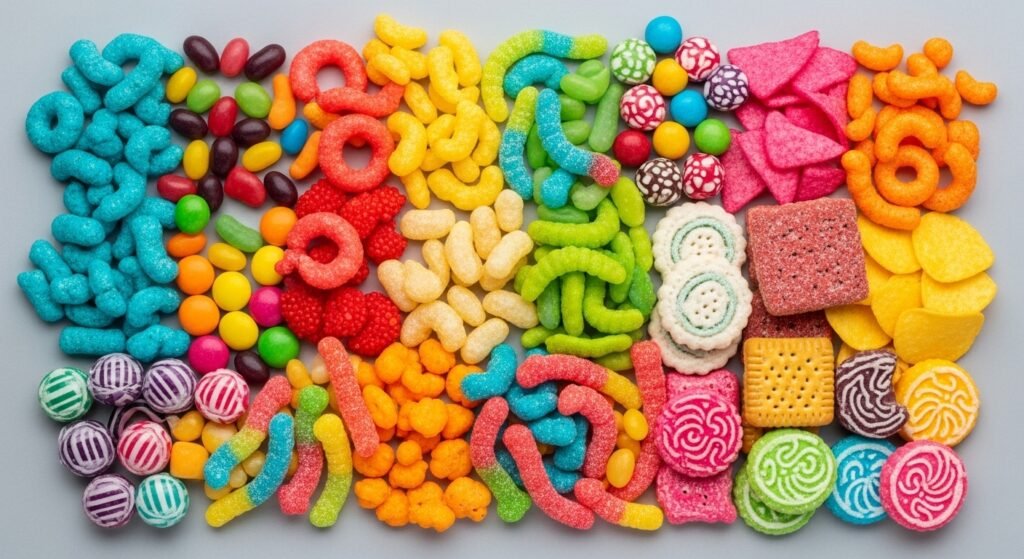
A single candy might carry colors that aren’t quite natural. Even if bright shades catch attention, those pigments add zero benefit when eaten. Hidden ingredients show up only when you check labels closely.
Low-Fiber Formulations
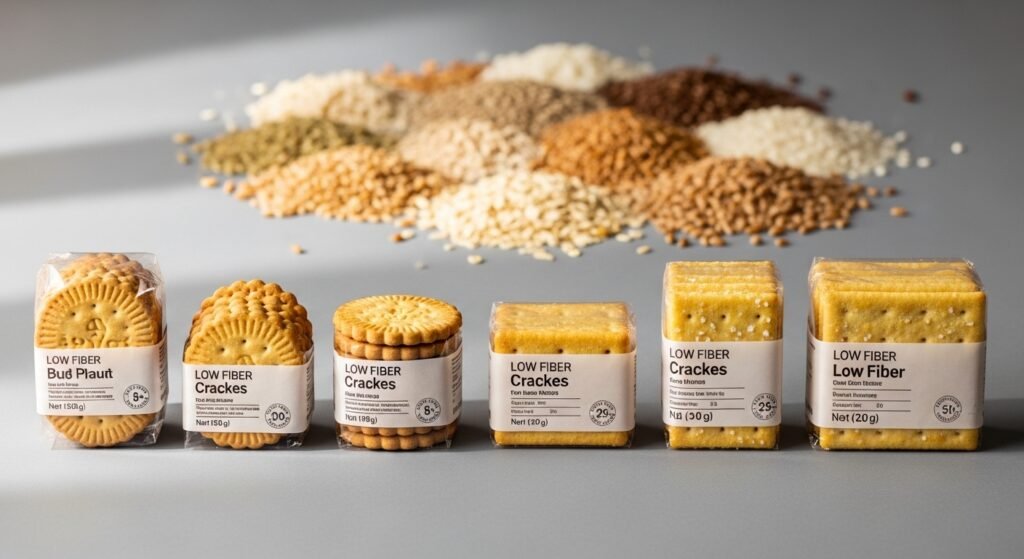
Fiber? It’s usually absent in boxed goodies, despite keeping digestion on track. A full belly shows up at first – then slips away quicker than expected. When satisfaction drops like that, grabbing something more later hardly surprises anyone.
Misleading “Healthy” Labels
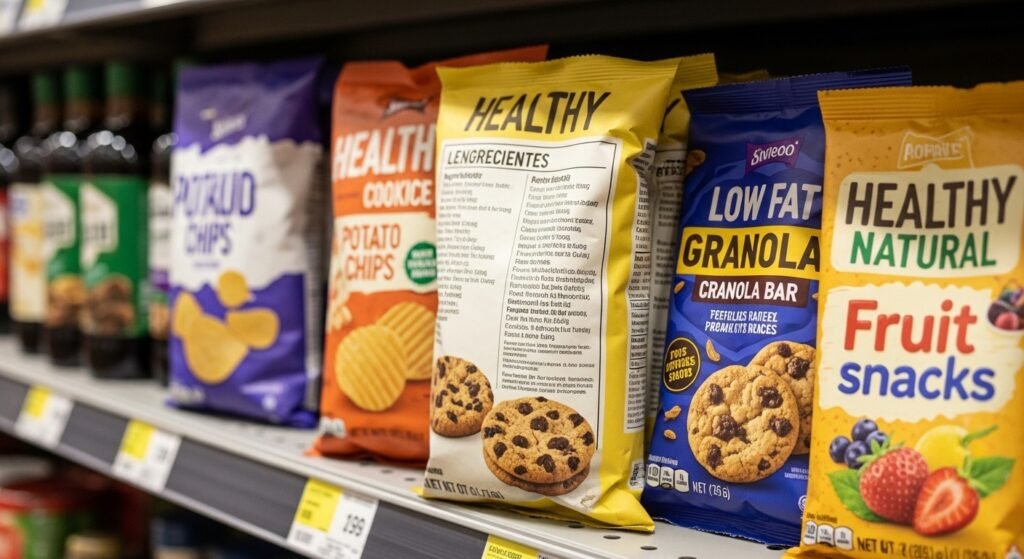
Fresh-sounding names on packaging often mask what’s actually packed – processed stuff, usually. Without checking each line of ingredients, your mind can pretend the snack earns a health badge it doesn’t hold.
Reading labels matters
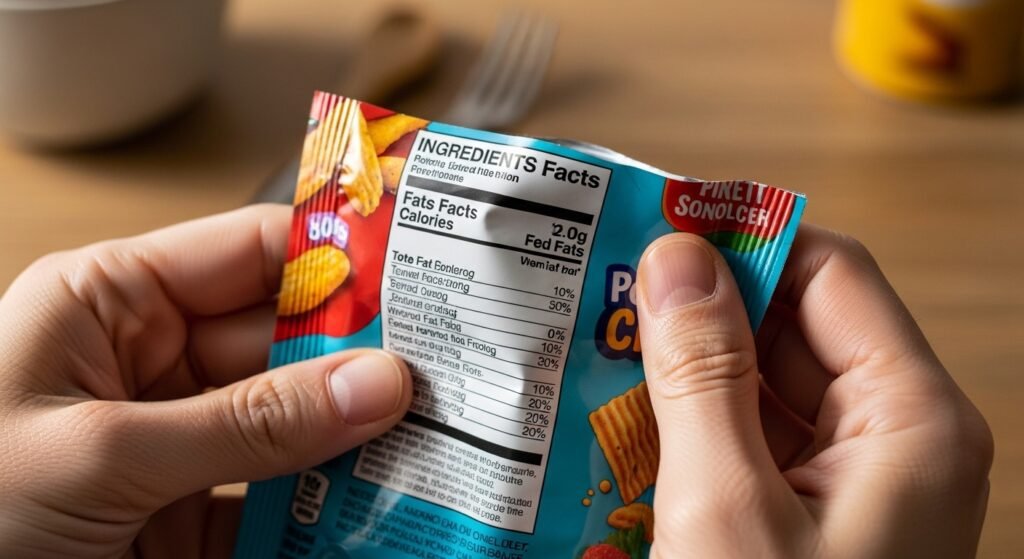
Look at the label. What you see is what ends up inside you. Sometimes, a fast look misses the bad stuff sitting right there. Little by little, checking helps – without noise, it changes your habits.
