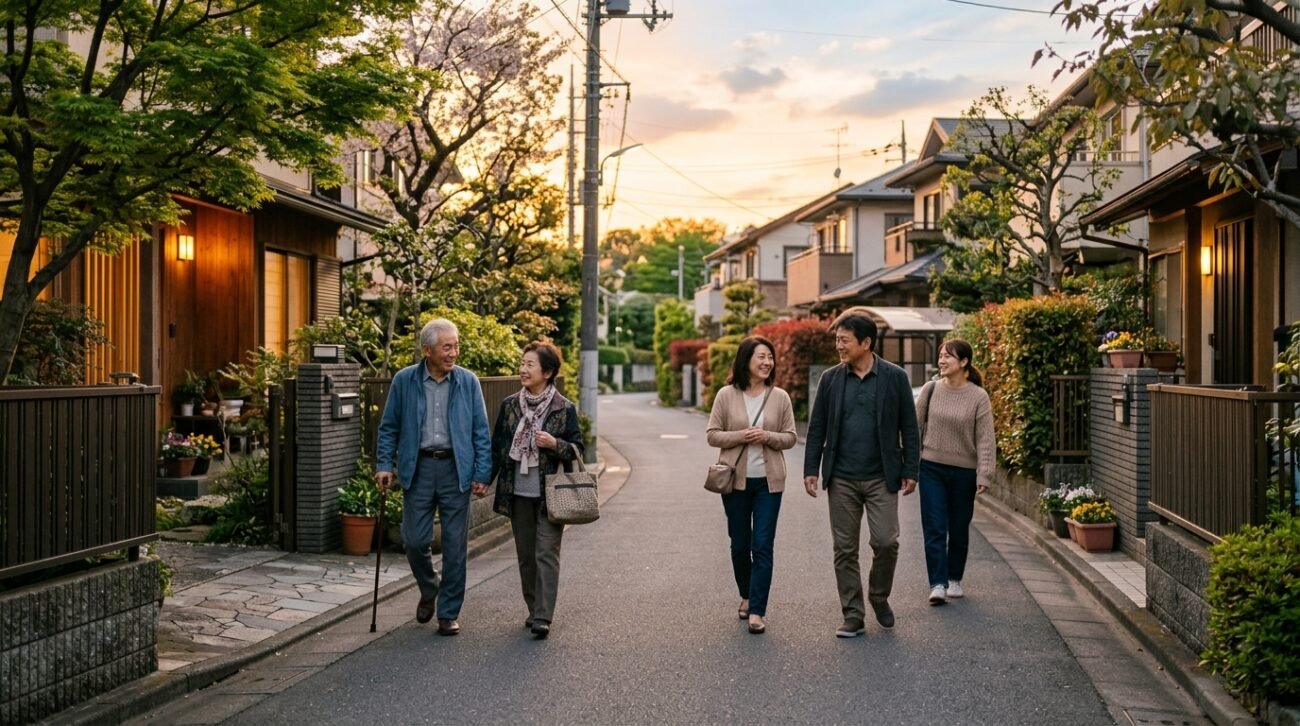
A typical Japanese way of life has always been considered ideal, due to the inclusion of easy and healthy activities in the daily schedule of its people. One of these activities is a post-meal stroll, which is one of the best practices to stay fit without too much effort. Instead of just wandering around after eating, people have started conducting serious studies on the effects of this simple routine on health. It is not about engaging in tough workout sessions but about using the right timed activity to make the body process nutrients in the most effective manner.
Interval Walking Training (IWT)
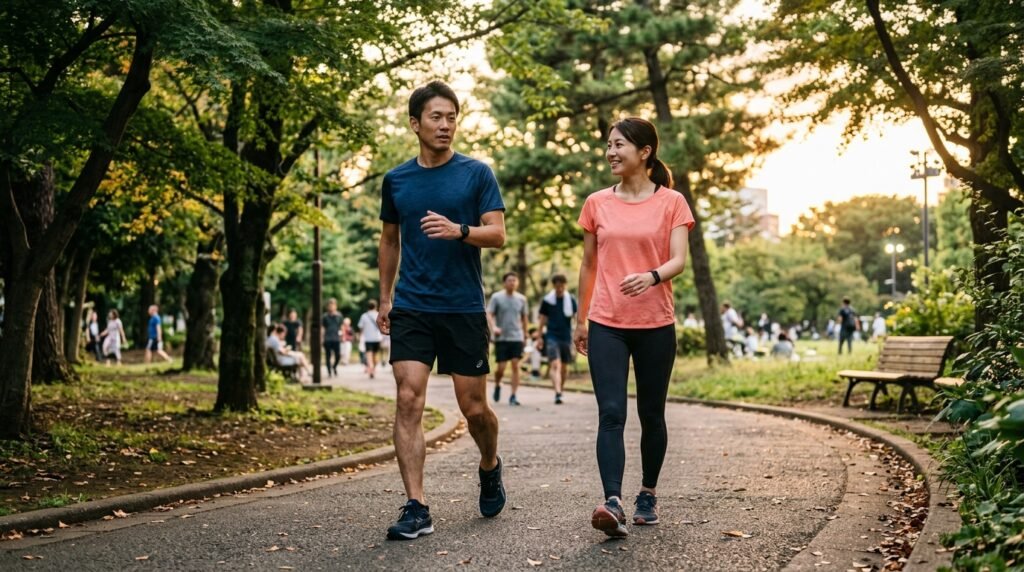
Post-meal walk in modern-day Japan is not merely about taking leisurely walks, but rather includes an exercise program called Interval Walking Training (IWT) developed by Dr. Hiroshi Nose and his colleagues, who are scientists at Shinshu University Graduate School of Medicine. It consists of alternating between 3 minutes of light walking followed by 3 minutes of brisk walking (approximately 70 percent of one’s maximum aerobic power).
Addressing Age-related Muscle Loss (Sarcopenia)

According to the trial conducted over five months by the team of researchers from Shinshu University, as reported in The Journal of Physiology, the subjects involved in the exercise of interval walking after meals had increased thigh muscle strength by 14 percent and max aerobic power by 9 percent.
The Hara Hachi Bu Satiety Complement
There is an interesting synergy between this activity and the cultural custom of Hara Hachi Bu, where one eats to their 80% fullness level. Data compiled by health research organizations such as WebMD reveal that the time gap between the onset of feeling full and when satiety hormones signal this condition to the brain is approximately 20 minutes.
Walking with Gravity for the Prevention of GERD and Acid Reflux

Slouching after having a meal increases intra-abdominal pressure, causing the upward transfer of stomach fluids. According to the guidelines provided by Gastroenterology Consultants, walking helps one remain erect, using gravity to keep the stomach acid in check beneath the lower esophageal sphincter, thus eliminating the risk of GERD.
Reduction of Systemic Blood Pressure Levels
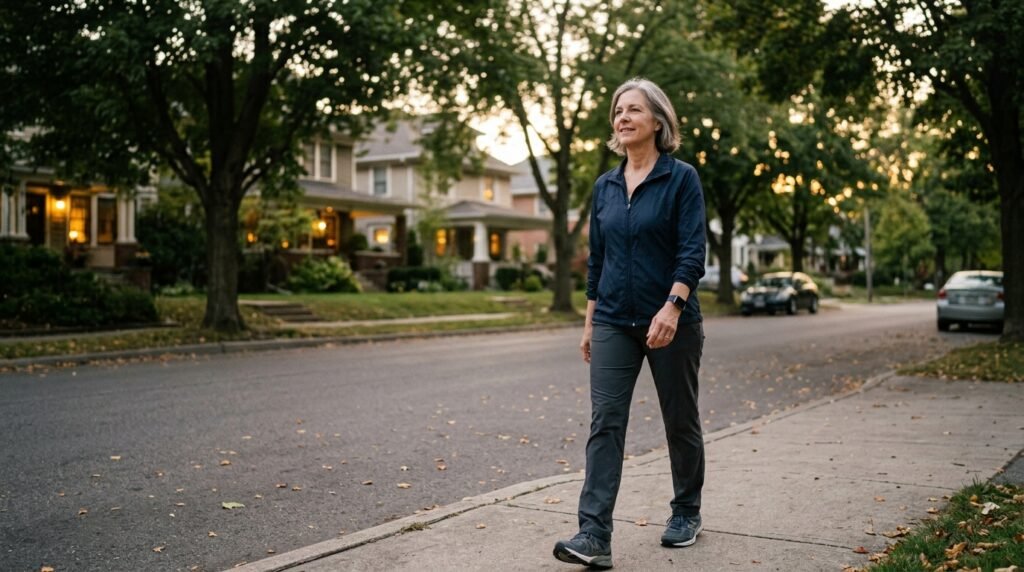
Apart from glucose regulation, walking plays an essential role in heart-related issues. Studies published by the medical researchers at Shinshu University show that through the process of systematic interval walking, an individual can reduce their systolic and diastolic blood pressures by 13% and 17%, respectively.
Quality Comes First over the 10,000 Steps Lie
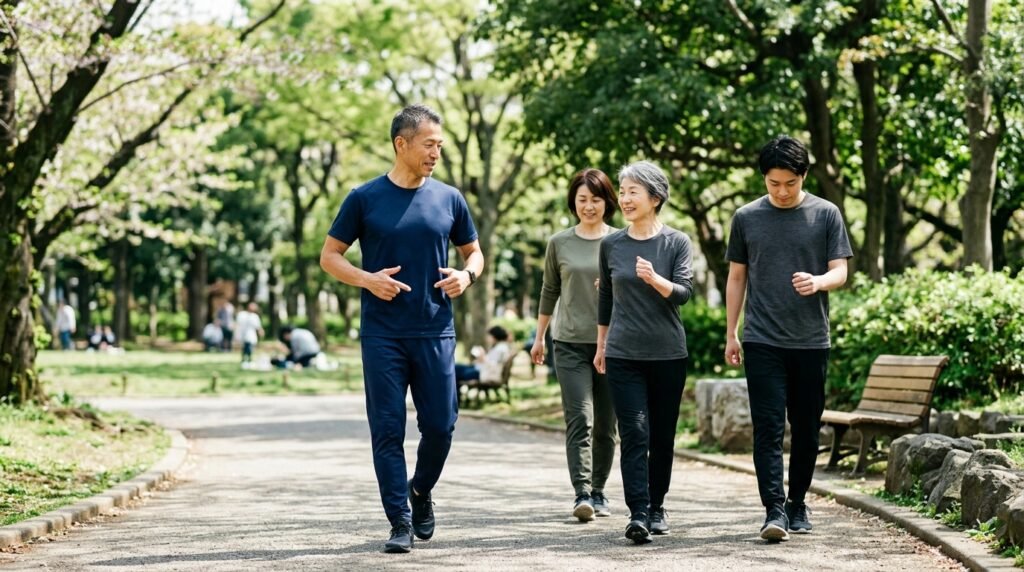
Research done in Japan on the topic of walking by a team under Dr. Hiroshi Nose helped divert popular attention from the meaningless notion of 10,000 steps. When comparing both approaches, a shorter but better quality walking after meals was much healthier for the cardiovascular system.
A Gentle Approach to Maintaining Aging Joints
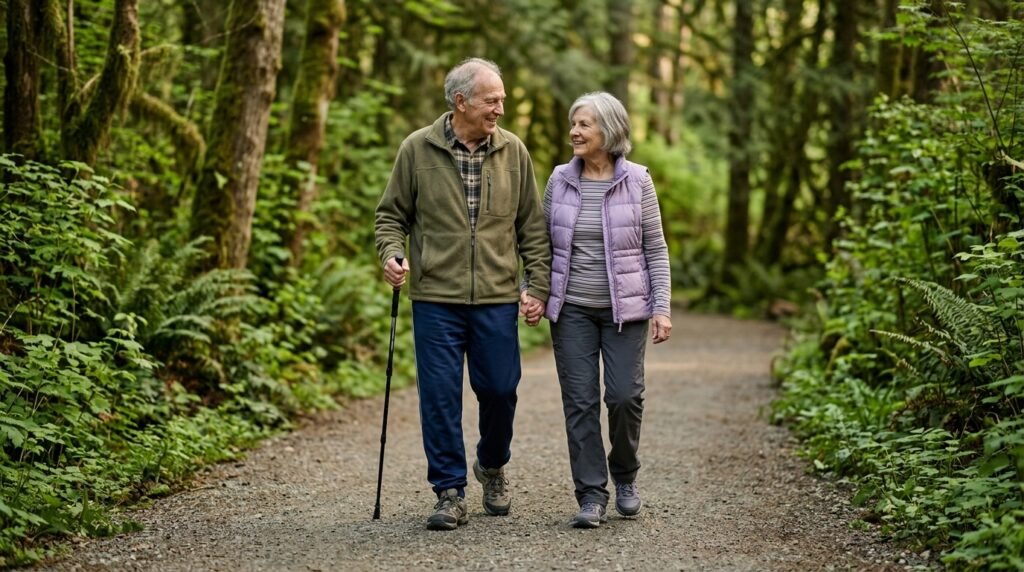
Activities like intense running or lifting may create risks in terms of joint structure and integrity. Based on field evidence on IWT in Japan, this low-impact physical activity is highly recommended for maintaining joint strength, lower-body stabilization, and cardiopulmonary performance in elderly people.
Optimizing Slow-Wave Sleep Cycles

Regular participation in walks conducted after the last meal of the day creates a natural way of circadian entrainment. It helps achieve low blood sugar levels and reduce cardiac load before bedtime. This allows avoiding the necessity of digestion and sleeping at the same time, leading to deeper sleep.
