
When determining the wellness profile of frozen confections, the issue boils down to two sets of competing ingredients: those found in traditional ice cream versus modern frozen desserts. Even when placed side by side in their respective freezer sections, “ice cream” and “frozen desserts” are entirely different foods according to scientific and legal definitions. Scientifically speaking, ice creams have to contain dairy fat, while frozen desserts usually contain oil from plants and other sources of protein. Choosing the “healthier” product is contingent upon your personal dietary priorities and metabolism.
Prevalent Usage of Emulsifiers and Stabilizers
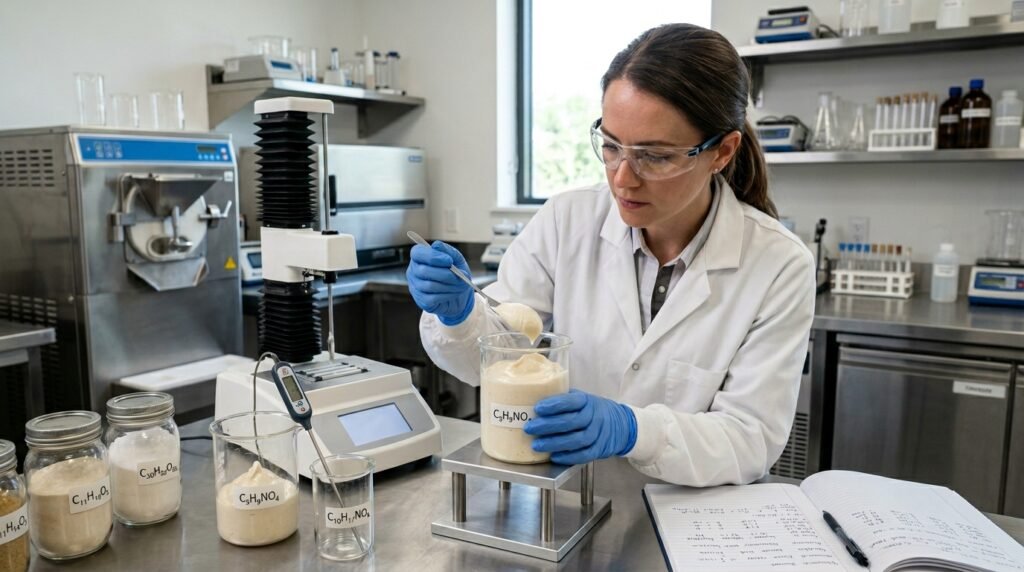
It is required for all frozen desserts to have some kind of stabilizing compound since vegetable fats and water separate quite easily from each other. There are quite a few emulsifiers used to maintain their stability. Recent research regarding gut health claims that excess consumption of certain synthetic emulsifiers might damage the mucous membrane lining of the intestinal tract.
Glycemic Response and Blood Glucose Peaks

Premium ice creams are made of fats that inherently slow down the passage of food in the stomach, leading to delayed absorption of sugars and a slower increase in blood glucose levels. On the contrary, many frozen desserts that contain little fat make up for the difference by adding sugars, starches, and corn syrups, which will quickly spike and then drop blood sugar levels.
Quality of the Protein Content
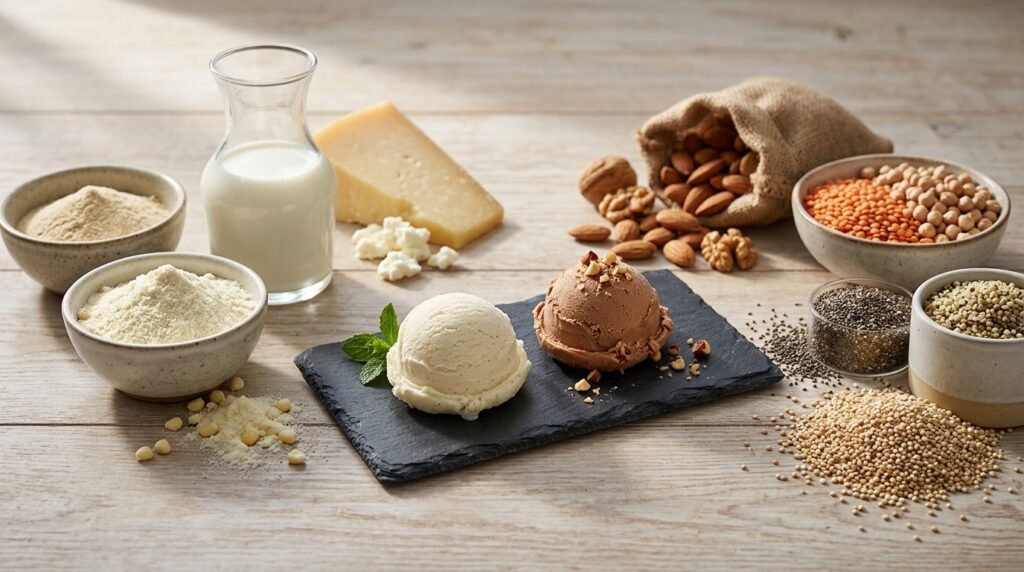
Protein contained in authentic ice cream is extracted from milk or whey and represents a complete protein source with all the essential amino acids needed to preserve muscle mass. In contrast, most plant-based frozen desserts include isolated soy protein or protein derived from peas and/or fava beans, which, while excellent for vegan people, have less bioavailability and a less complete amino acid profile.
Level of Industrial Processing

The food products in question can be categorized within the processed foods according to the NOVA system. Traditional ice cream consists of familiar agricultural products such as milk, sugar, and eggs. In its turn, many contemporary frozen confections are characterized by the inclusion of artificial ingredients that make the food product ultra-processed.
Density of Micronutrients
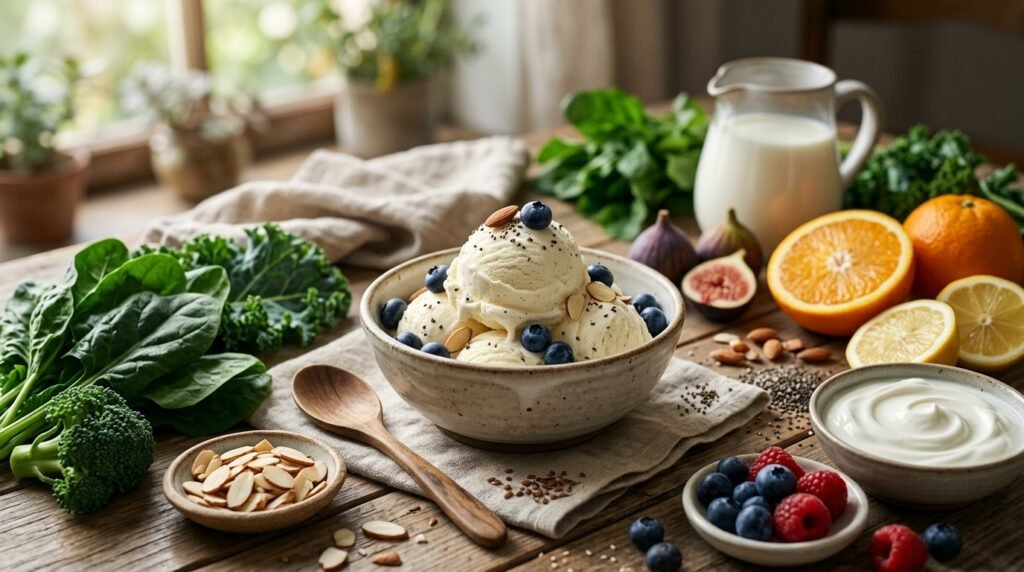
Ice creams that include the milk component have an initial supply of calcium, phosphorus, magnesium, and vitamins B (especially B12) due to the fact that these nutrients come from milk. If a frozen confection does not undergo any process of fortification, the oil-and-water mixture cannot provide one with natural micronutrients.
Digestive Problems and Lactose Intolerance
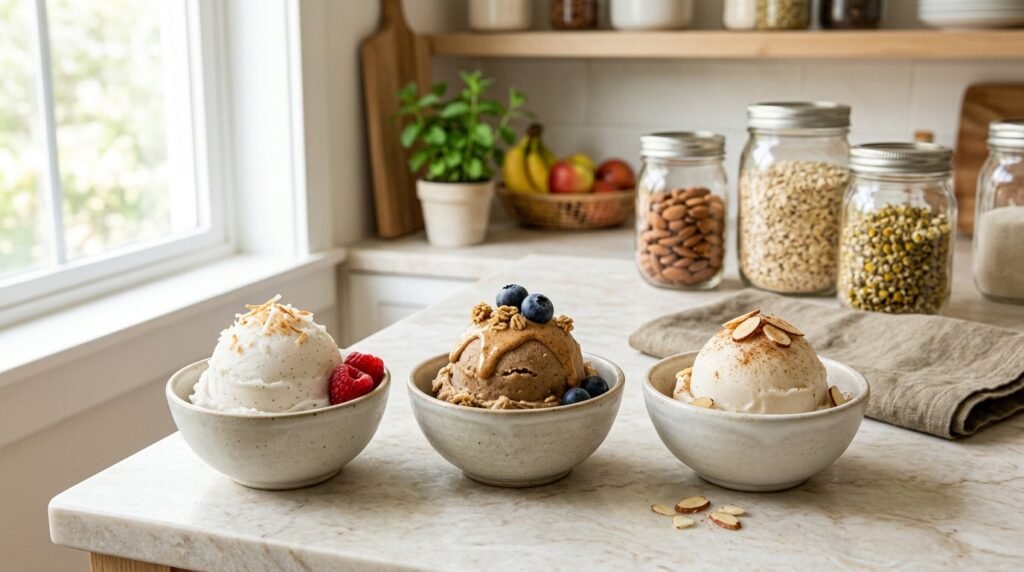
For those who do not have enough lactase enzymes in their bodies, conventional ice cream will cause almost instant gastrointestinal irritation. With respect to health considerations, it becomes clear that dairy-free ice cream products made of almond, oat, or coconut milk are much better than regular ice cream, since they are completely harmless in this particular context.
Artificial Food Coloring and Behavior
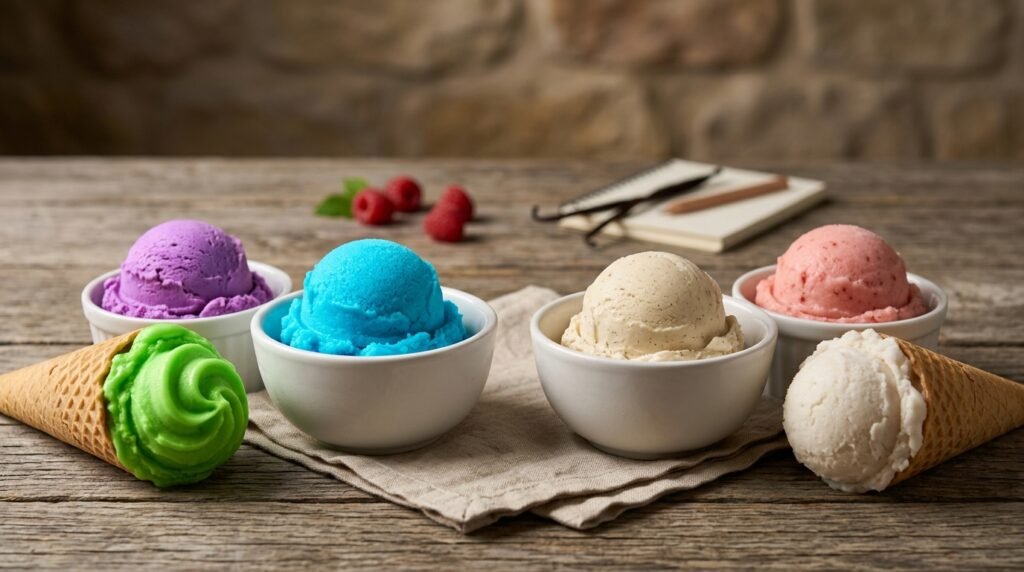
Because of the inability to provide sufficient natural coloration, artificial food colorings (such as Red 40 and Yellow 5) are often added in order to give frozen desserts the necessary vividness of colors. Several studies performed in the sphere of clinical wellness found that such food colorings, which happen to be petrochemical compounds, can cause behavioral and hyperactive symptoms in sensitive children.
Allergenicity Analysis
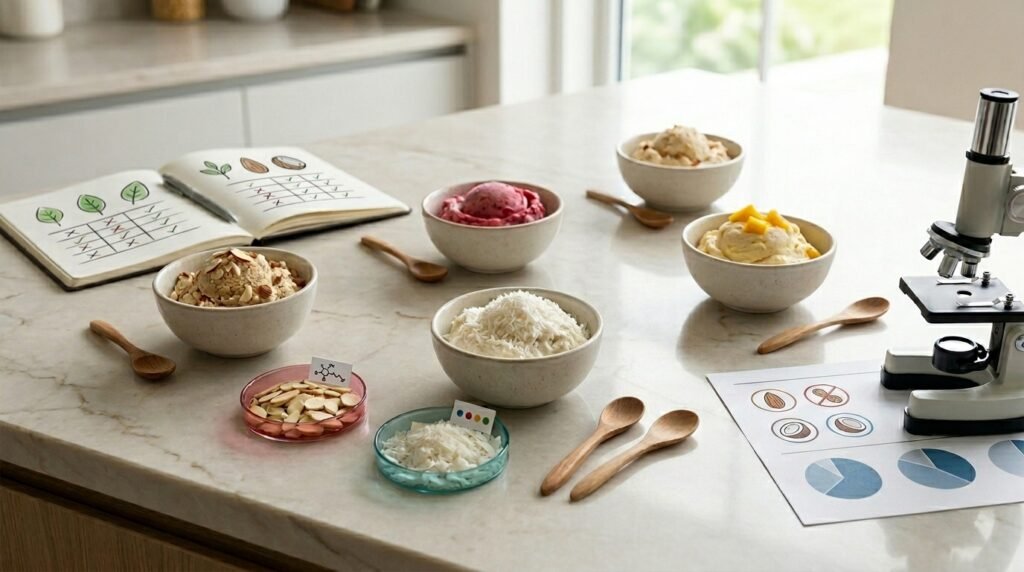
As opposed to ice cream, which poses one potential allergen hazard only (dairy products), frozen desserts involve numerous allergens, depending on their base composition. If tree nuts are used as a base (almond or coconut flavors, for example), then there is a possibility of developing allergic reactions from consuming frozen desserts due to the allergen content.
