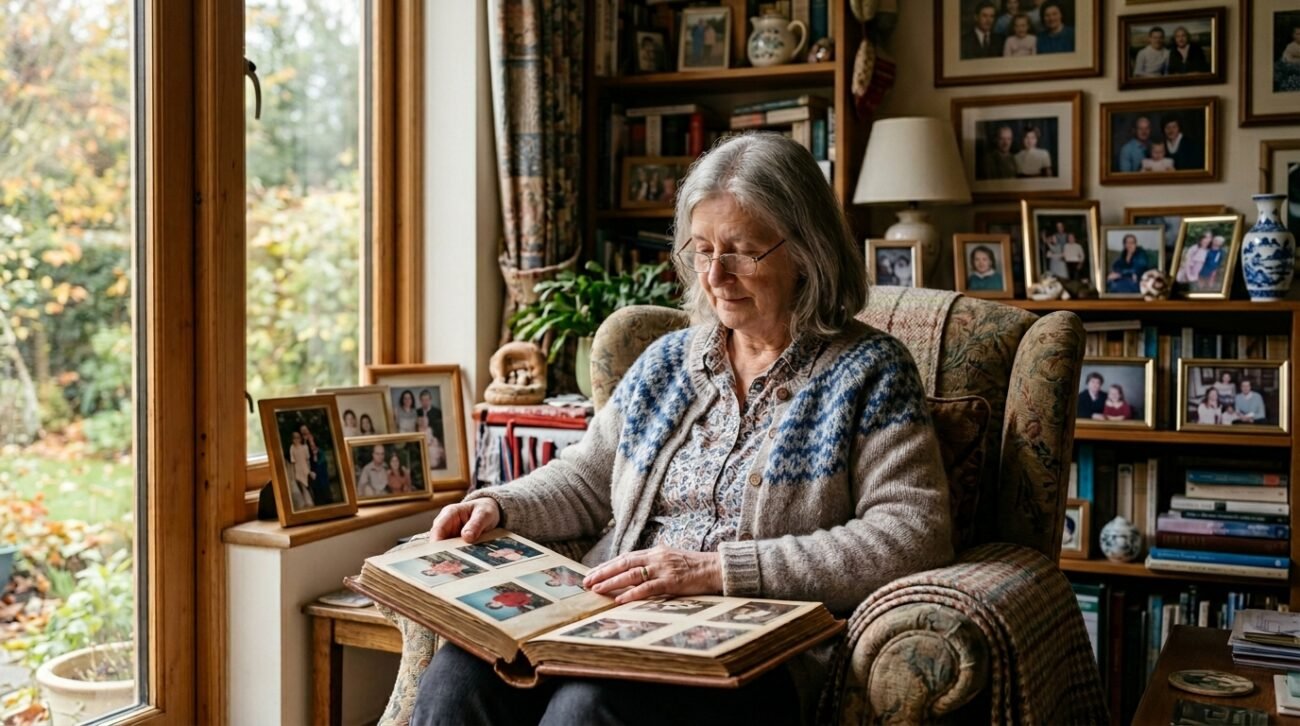
Society tends to idolize aging as a time for peaceful reflection and well-deserved relaxation, but the experience for an increasing number of seniors without a spouse, kids, or family members living nearby is far from what is traditionally imagined. Aging alone, also known as “solo aging,” removes all the natural supports people have been accustomed to throughout their lives. For one to go through this process successfully, it is necessary to move beyond personal comfort zones and face eight stark realities about the process of aging alone.
The Risk of Mortality due to Medical Situations
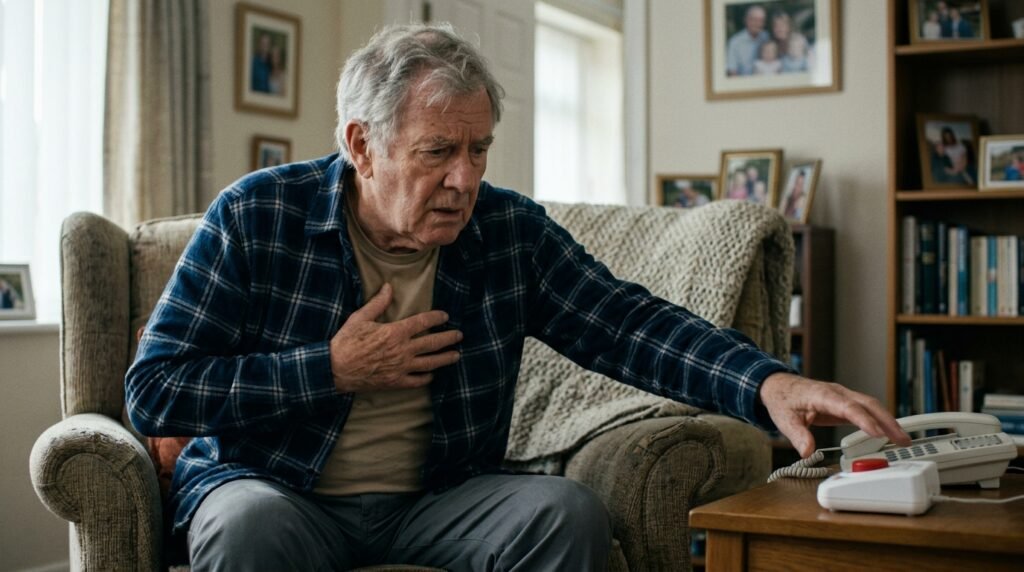
For people who are alone as they get older, a medical emergency that occurs suddenly has a far greater chance of becoming fatal or resulting in some form of long-term incapacity. Because there are no other individuals living at home to notice signs of danger, such as difficulty speaking or moving, the critical time to provide help is missed.
Cost Implications of Living Alone
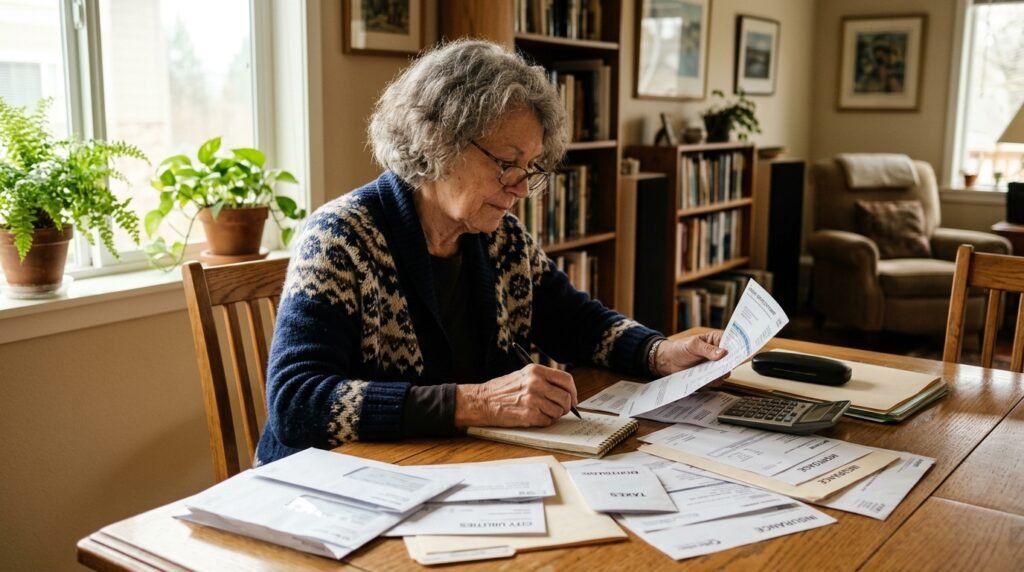
Living alone as a senior eliminates any financial benefits gained through the combination of two salaries and sharing costs of living. Singles have to bear all the responsibility regarding paying for rent or mortgage payments, utility bills, taxes, and maintenance of their homes. Additionally, as physical abilities diminish, living alone forces singles to spend money on tasks that should be done for free if there were other adults at home.
Losing the Informal and Daily Mental Checks
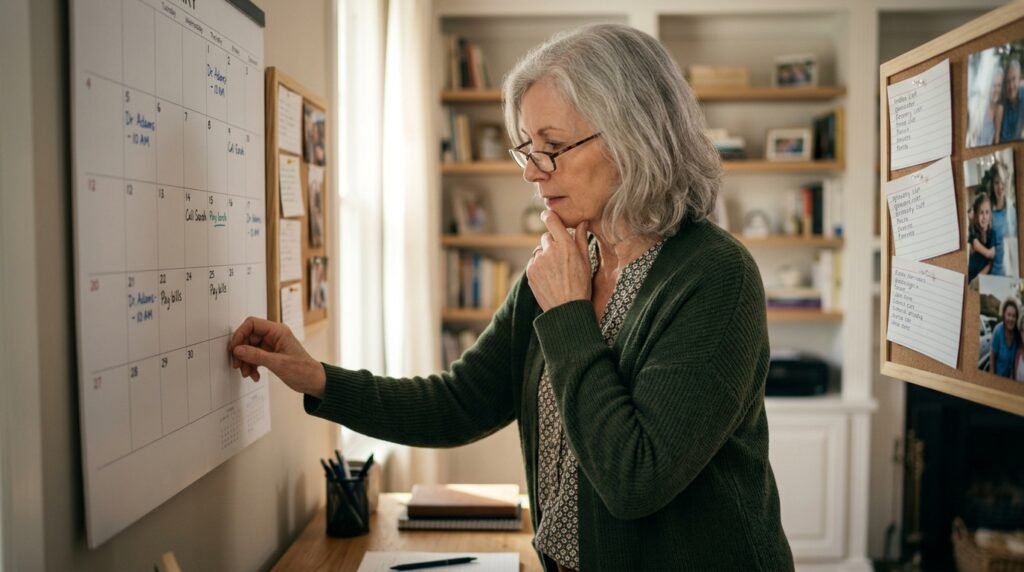
For those who live by themselves, cases of developing mild forms of dementia or Alzheimer’s disease will remain unreported and unnoticed until the occurrence of some significant incidents, such as making costly mistakes, having an accident, or receiving notices about turning off utilities.
Acceleration of Functional Decline
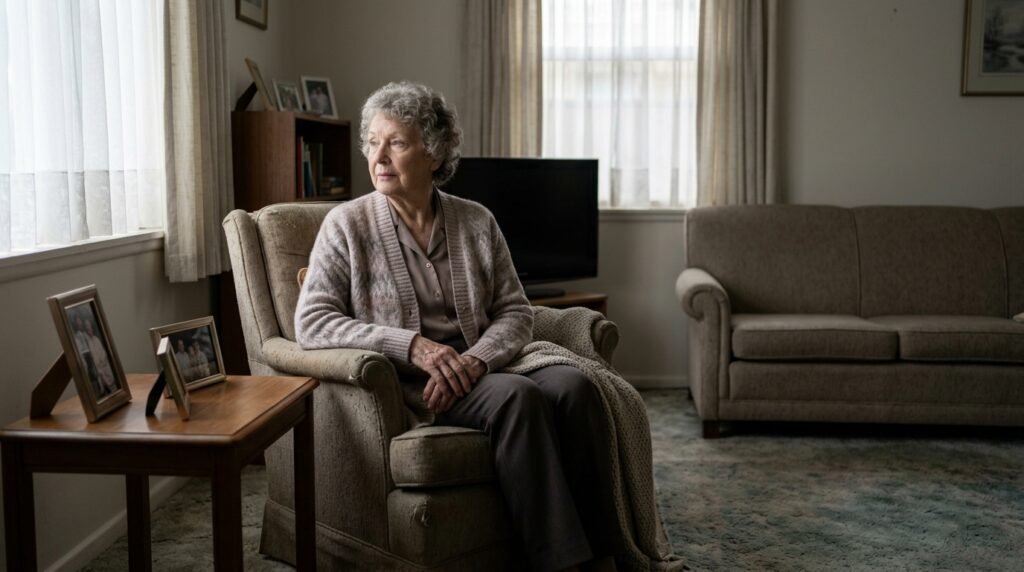
Social isolation causes cognitive decline, impairs immune system function, and promotes inflammation. The lack of daily verbal interactions and mental stimuli makes the process of functional decline occur very rapidly.
Surrender of Legal & Medical Self-Determination
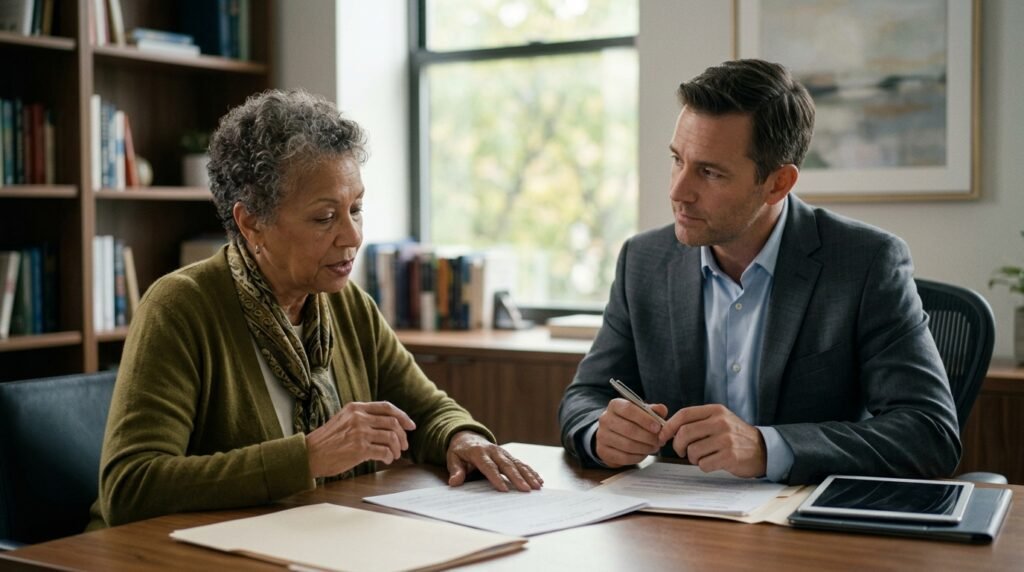
In the case of the solo ager who finds himself or herself incapacitated without prior proactive estate planning, the state will step in. Without either a healthcare power of attorney or other legal authorization, the courts will designate a professional guardian whose job is to be the final arbiter over life-and-death medical choices and estate management.
Dictatorship of the Family-Based Senior Care Industry
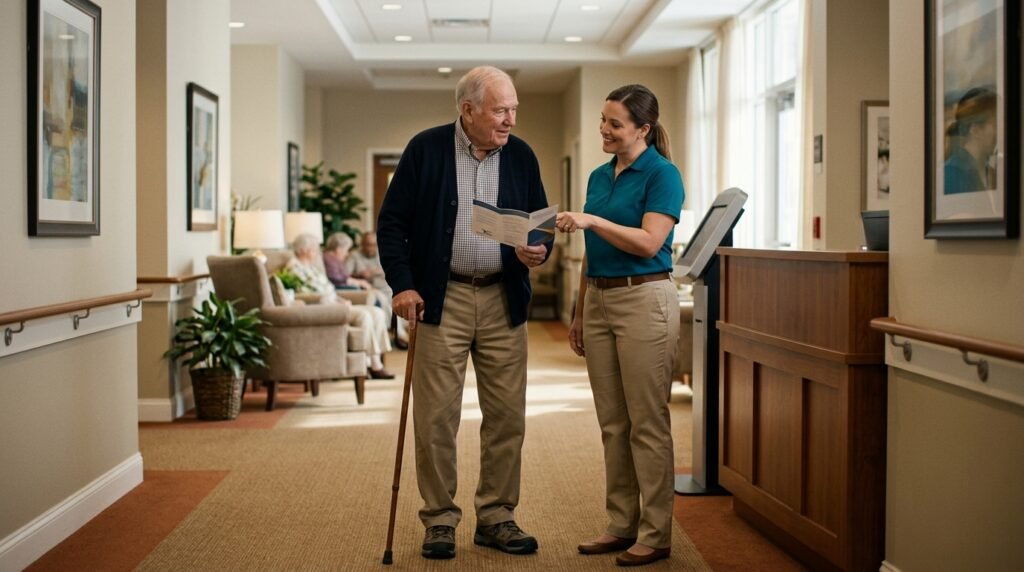
Most nursing homes, senior living residences, social service agencies, and community-based organizations all assume that there is a strong family network ready to orchestrate logistics, monitor quality of care, and provide supplemental emotional support. This senior population segment has not prepared the industry for dealing with their particular challenges.
The Complete Loss of a Joint Personal History
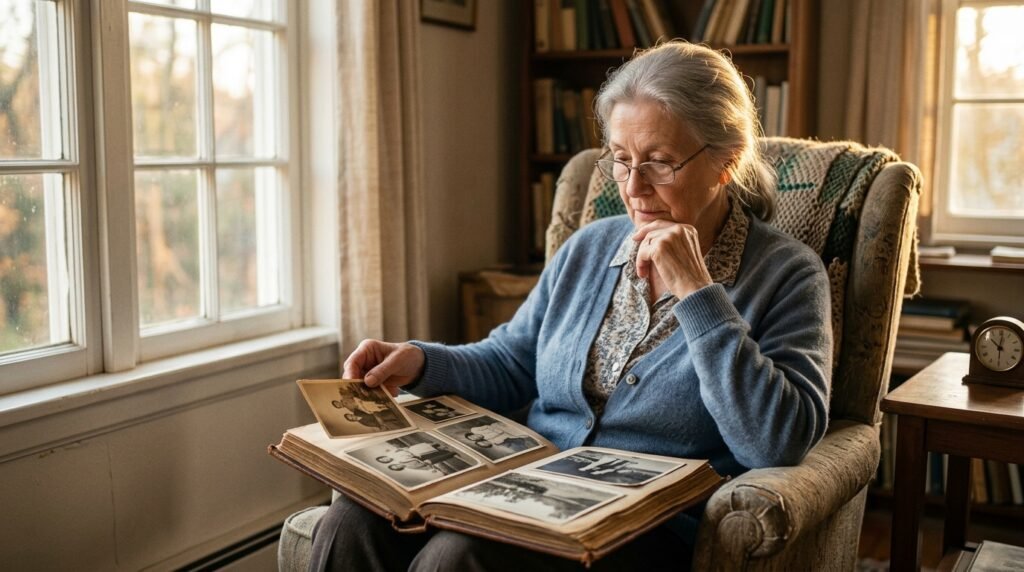
As old friends die off and relatives drift away, solo elders see their connections with the people who recognize their life history dissolve. Being alone without someone to recall your youth, your professional achievements, and your shared humor leads to a unique type of existential isolation.
Inescapable Task of Surviving
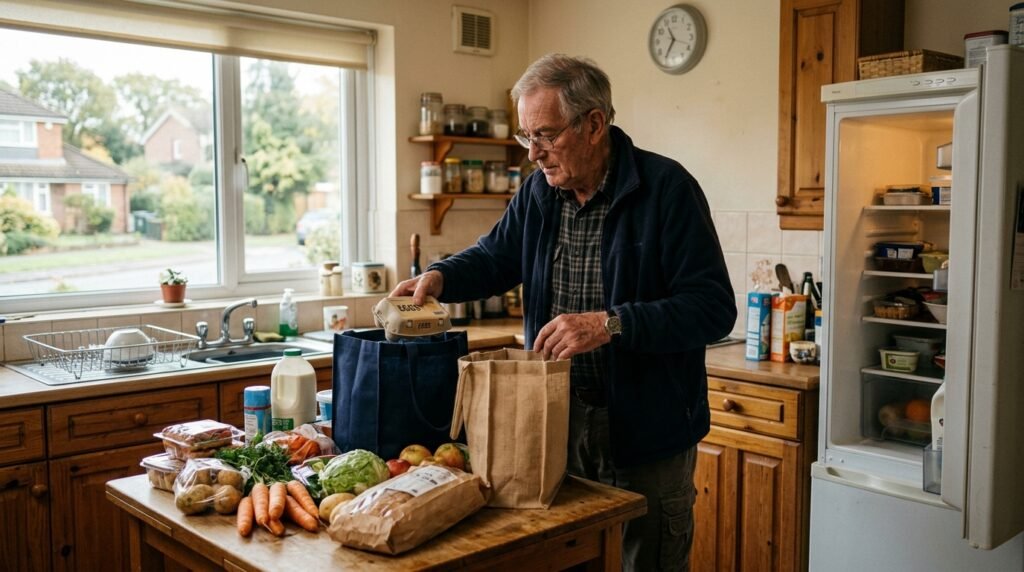
Solo elders feel comfortable and sure that the chosen family, made up of close friends, will serve as the foundation for all social support. Over the course of time, each member of your chosen family might experience some sort of health issues, relocate near his or her child, or die, leading to you becoming increasingly alone precisely when you need help the most.
