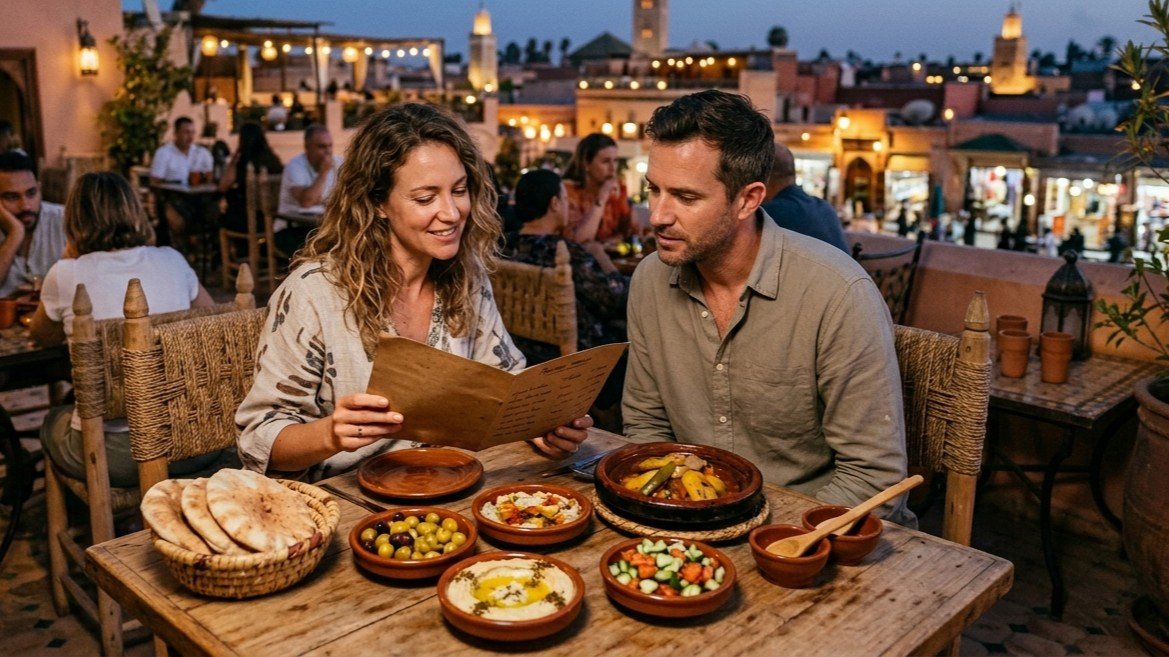
When traveling, new cultures are discovered and food is usually the most enjoyable aspect of the trip. Whether it is a crowded street stand or a fine dining establishment, each of the choices offers something different, yet safety is one of the most important factors of a traveler. This knowledge of the distinction between restaurant food and street food can enable you to make informed decisions without harming your taste and health. It is not merely a matter of taste, but of consciousness, cleanliness, and intelligent decision-making as one learns new locations.
Understanding Food Safety While Traveling
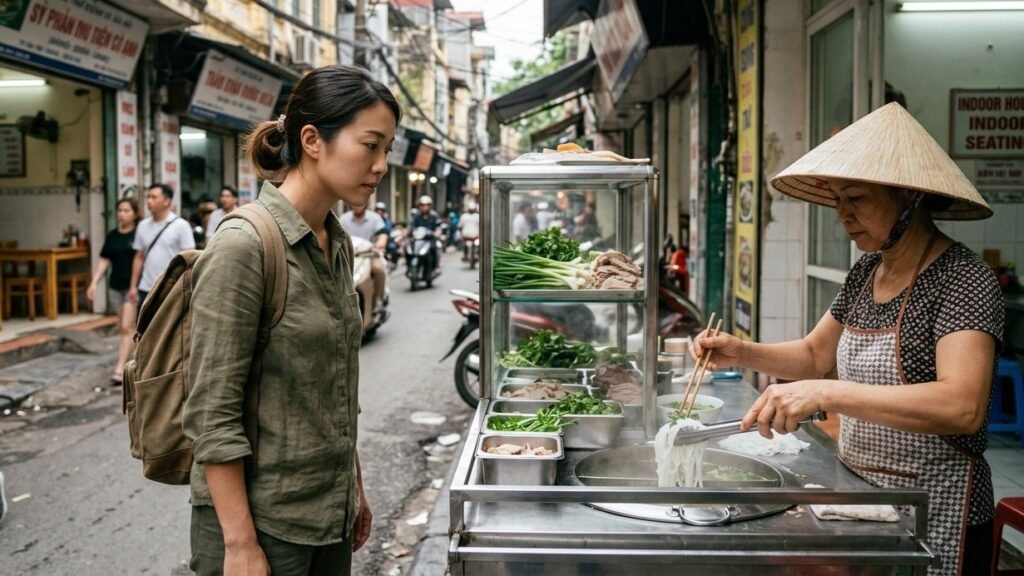
The issue of food safety during travelling is influenced by various factors such as cleanliness, how it is prepared, and the freshness of ingredients instead of the kind of place. Both the street vendors and restaurants can either be high-end or they fail to do so, depending on their way of operation. Travellers with keen eyes on food handling will have fewer chances of experiencing health problems.
Street Food Hygiene Standards
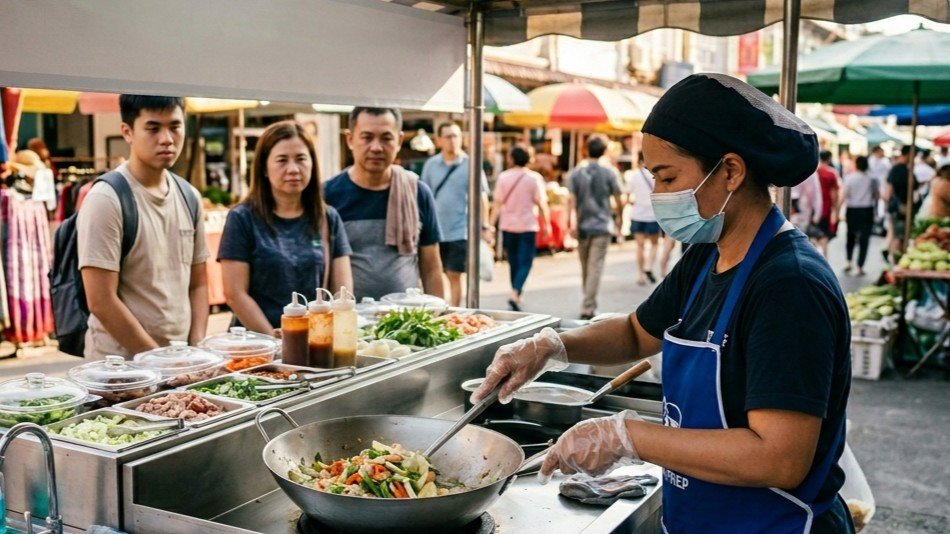
The hygiene practices of street food merchants are more exposed; they frequently work out in the open and are thus more susceptible to contamination. Some of the vendors are very clean, whereas others might not have the access to good clean up facilities. Selecting stalls that have the highest number of customers normally means fresh food and less handling.
Food Safety Practices in Restaurants
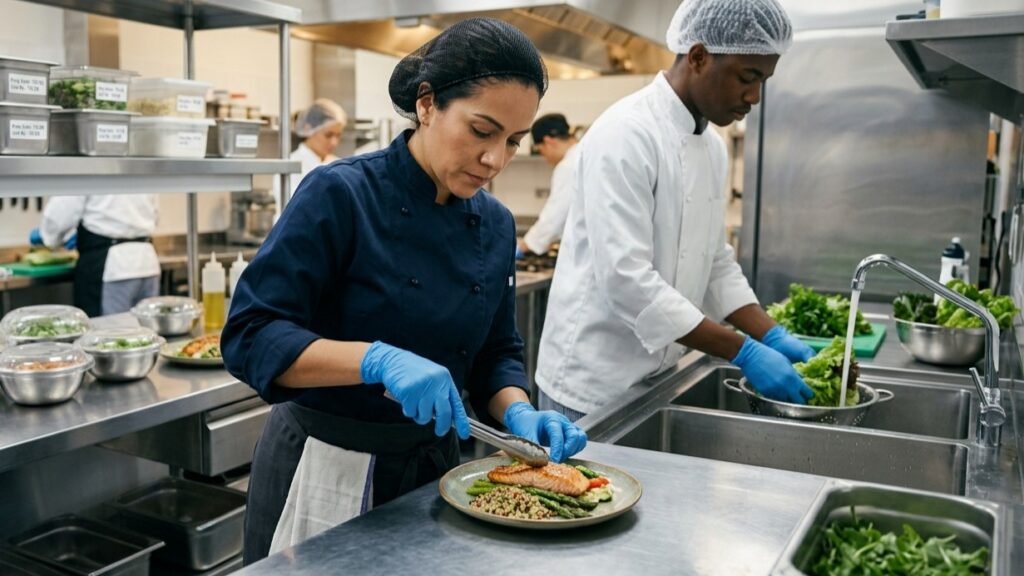
The restaurants are usually dealt with more rigorous regulations and inspections which may give an impression of increased safety. Nevertheless, not every restaurant is able to uphold these standards behind-the-scene. Hygienic kitchens are not always assured by clean dining areas, so even such nuances as the behavior of staff and the quality of food still play a role.
Freshness and Quality of Ingredients
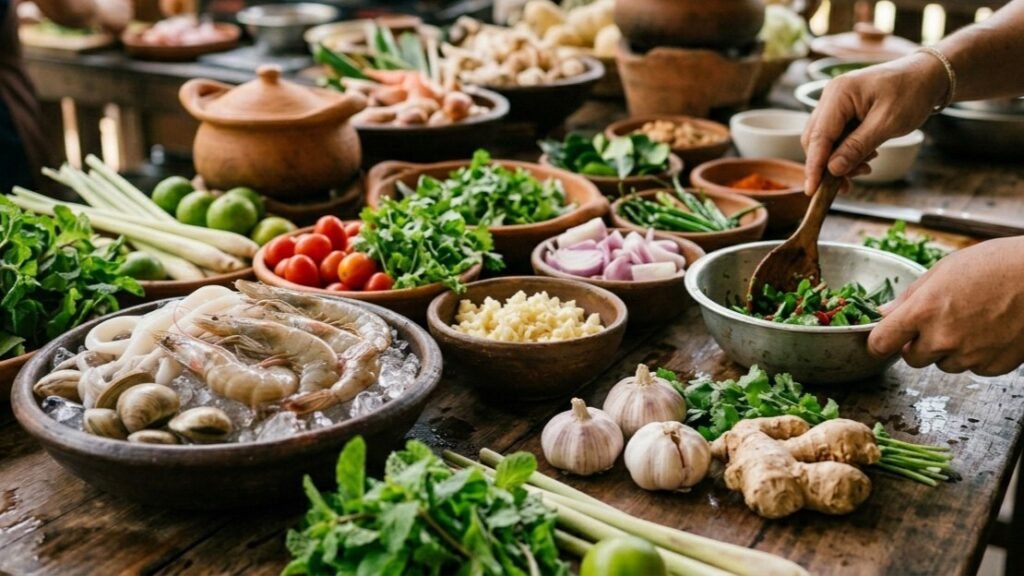
Food sold by street vendors can be made in small portions and that is why it can be served fresh all day long. On the contrary, restaurants can keep the ingredients longer, particularly in slow moving places. It can be quite interesting to see the rate at which food is cooked and this may provide useful information regarding the safety of food.
Cooking Techniques and Risk Factors
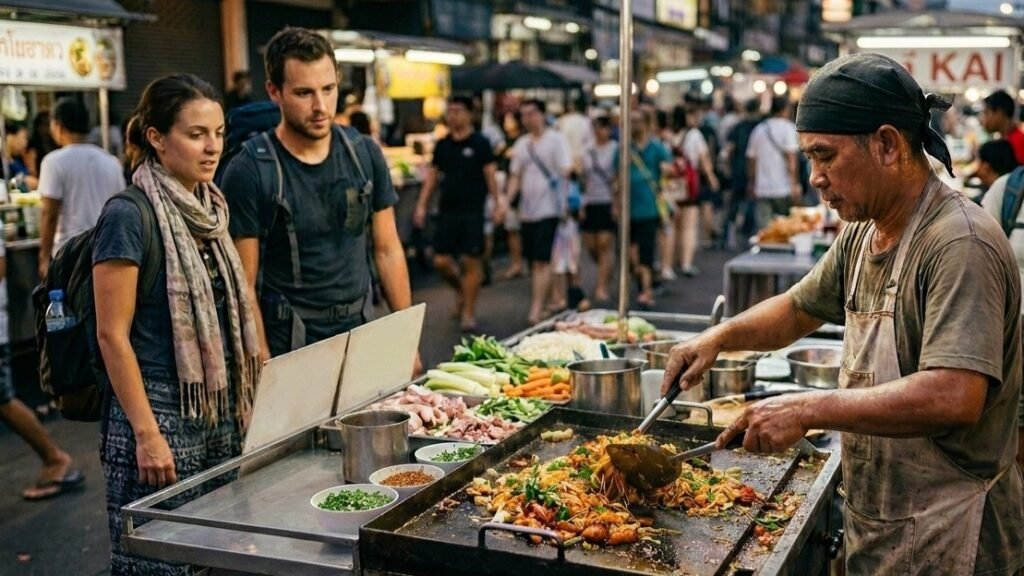
Cooked and hot foods are usually safe, whether they are bought in supermarkets or hotels. The high heat cooking in front of people also makes street food low risk as they do not have to cook at home. There might be a greater variety in the restaurants, however, reheated and standing dishes may enhance the likelihood of contamination.
Water and Cleaning
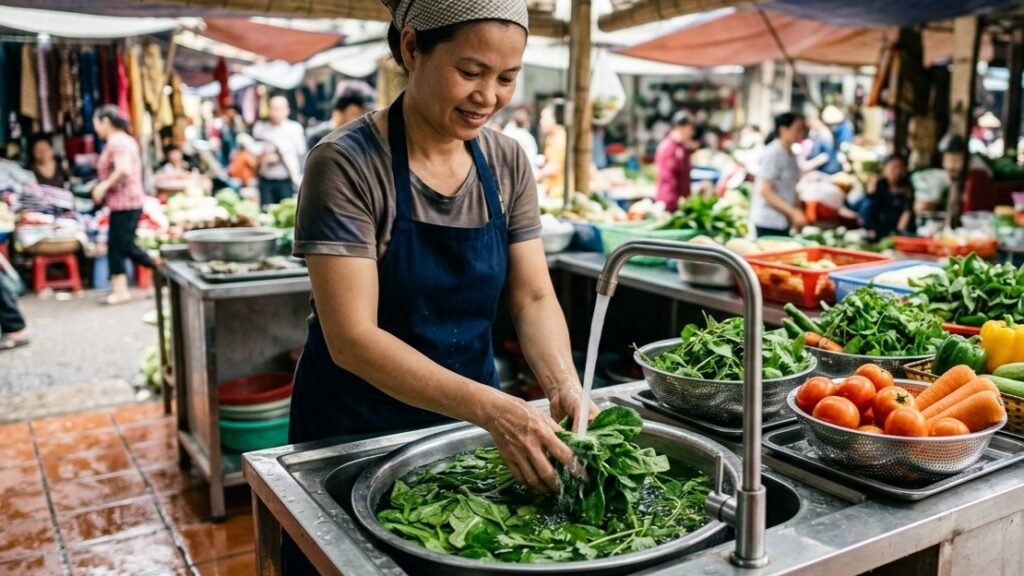
Water quality contributes significantly to food safety particularly during washing of food ingredients or utensils. Limited water sources can also be used by street vendors, and this may impact cleanliness. The availability of treated water is normally increased in restaurants, however, this does not necessarily exclude all dangers.
Crowds as an Indicator of Safety
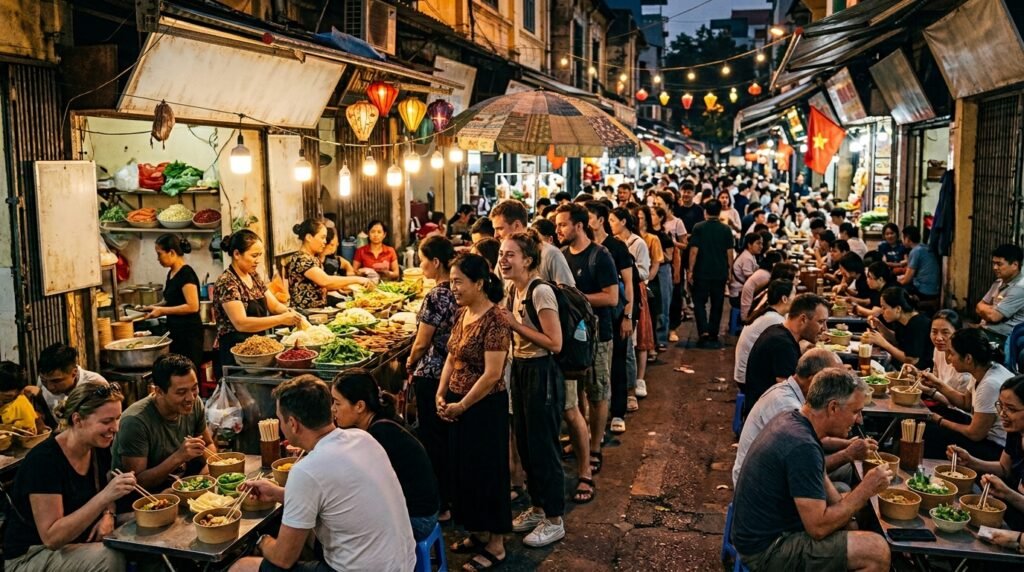
Lively food establishments, be it stalls or restaurants, usually spell reliability and reliability. The large traffic of customers typically implies that the food is cooked regularly and eaten in haste. Relative silence or lack of it can be the cause of apprehension concerning freshness and hygiene.
Local Knowledge and Traveller Awareness
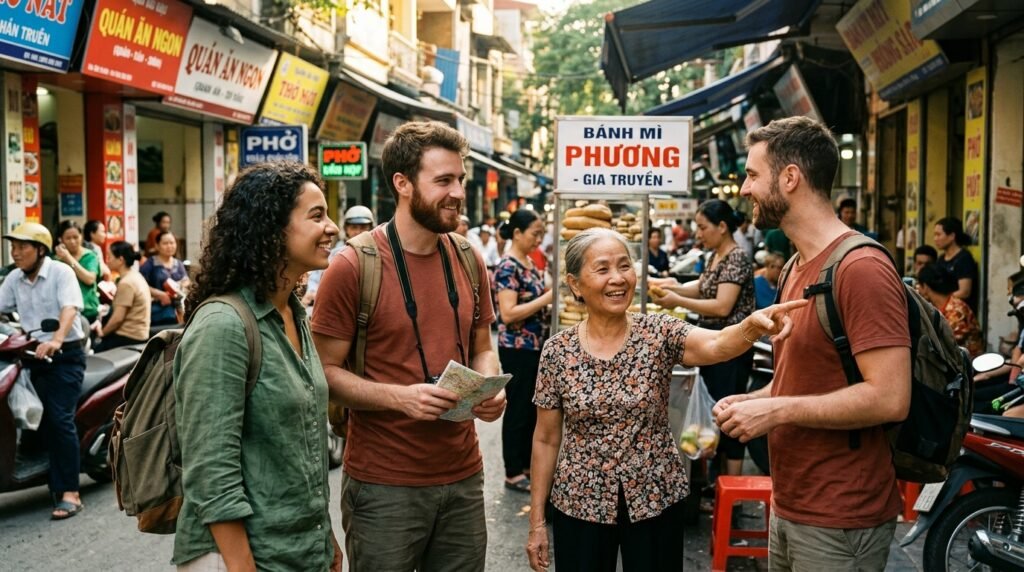
This means that locals are usually well informed about where they can be safe and be able to give good advice to the travellers. Following where locals like to dine can be enlightening, something no tourist book can tell. Education and interest can greatly minimise the risks of consuming contaminated food.
The Trade-off between Experience and Safety
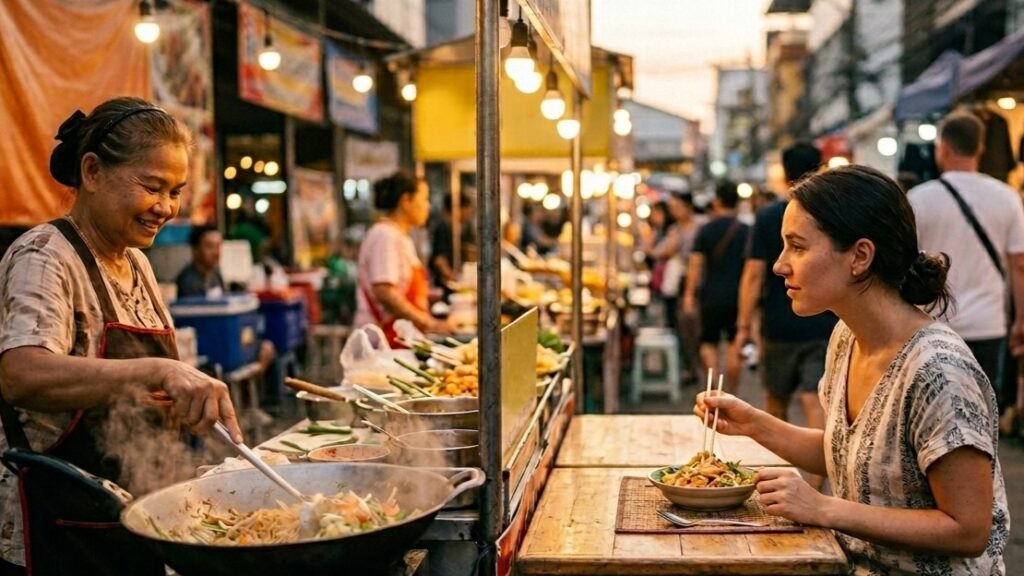
Local food is a vital aspect of travelling and neglecting it completely can inhibit culture. The point is to be both curious and wary enough to go to a place that demonstrates cleanliness and appropriate food handling. Conscious choices enable tourists to travel without taking undue risks.
