
As we age, it is easy to lose track of all those activities that used to keep us lively and healthy. In most cases, it does not happen suddenly but occurs as a slow process fueled by various changes in our bodies and environments. Why do older people stop taking care of themselves? It is not about blaming someone but recognizing the difficulties that accompany aging and taking the right measures in time to prevent any problems with health. Below is the list of the eight reasons why people give up self-care in the course of time.
Cognitive Problems and Executive Dysfunction
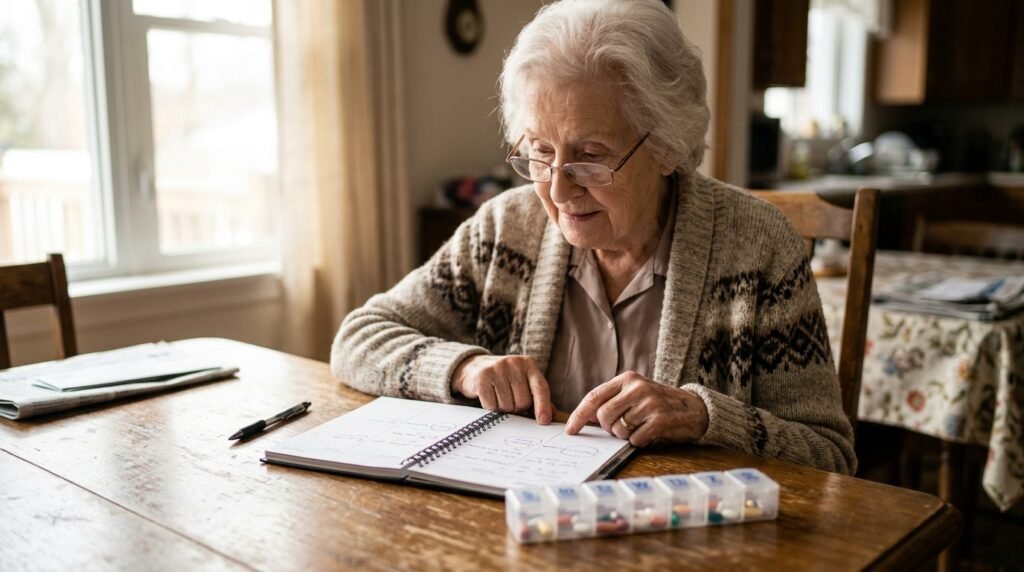
New cognitive problems that manifest themselves through dementia and Alzheimer’s disease negatively affect executive function. The elderly person does not intentionally neglect themselves but is unable to create meals, take the right pills, or wash clothes.
Extreme Financial Pressure on Fixed Income
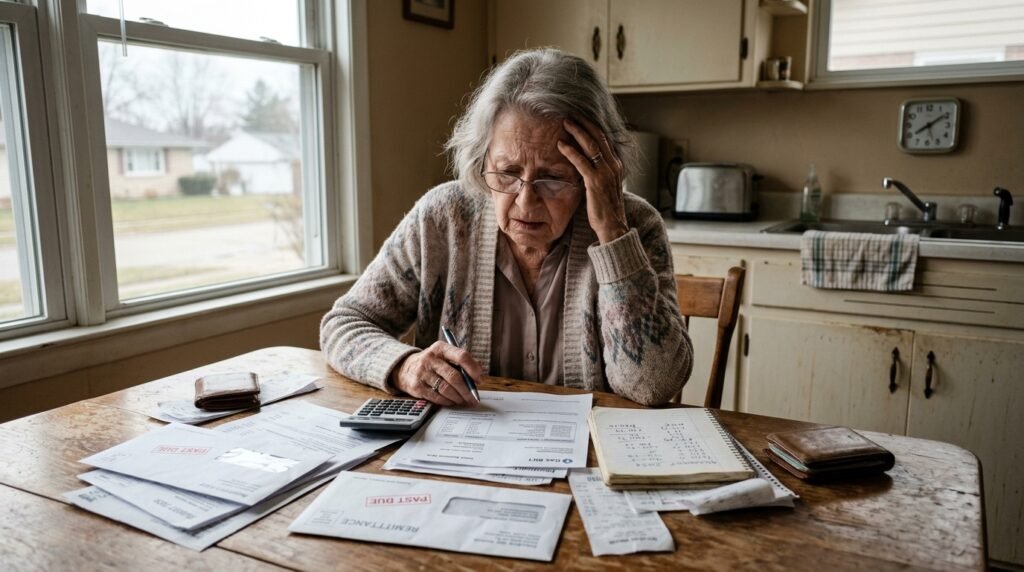
Elderly people frequently find themselves in situations where they have insufficient funds to afford basic amenities, such as healthcare. Thus, an individual may have to pay for costly prescription pills at the cost of utilities and grocery expenses.
Depression and Apathy
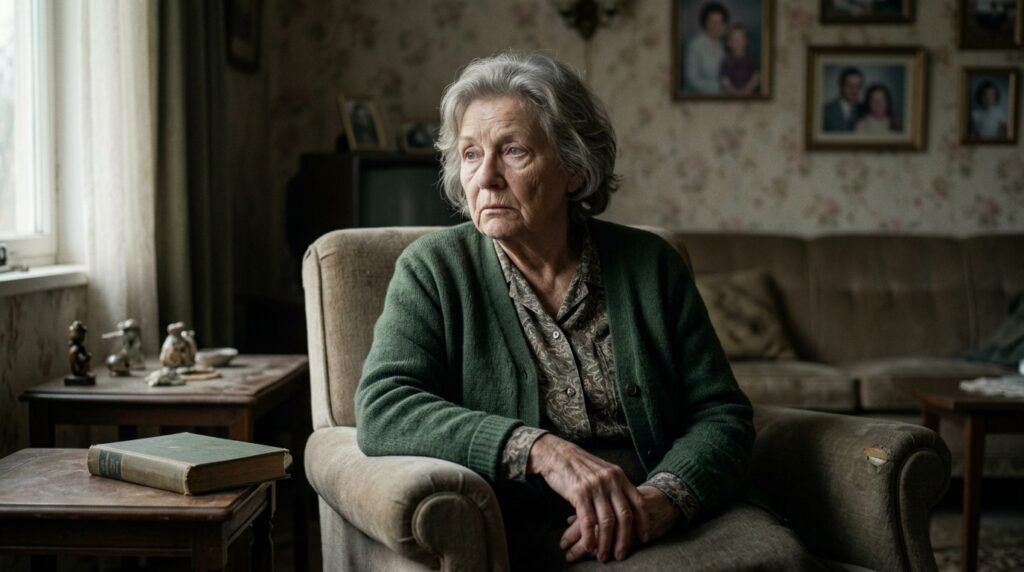
While depression is not a natural condition associated with aging, it affects many older people undergoing physical changes. The disease usually affects patients with severe apathy and anhedonia (lack of pleasure). This chemical and emotional depletion eliminates the desire necessary for bathing, proper nutrition, and attending visits.
Social Isolation and Invisibility

The absence of any social contacts in the form of relatives or neighbors can cause problems in seniors who live alone. If such elderly people consider themselves to be ignored or “invisible” to society, they will find it logical that their appearance, food, and lifestyle do not matter anymore.
Fear of Falling and Poor Mobility
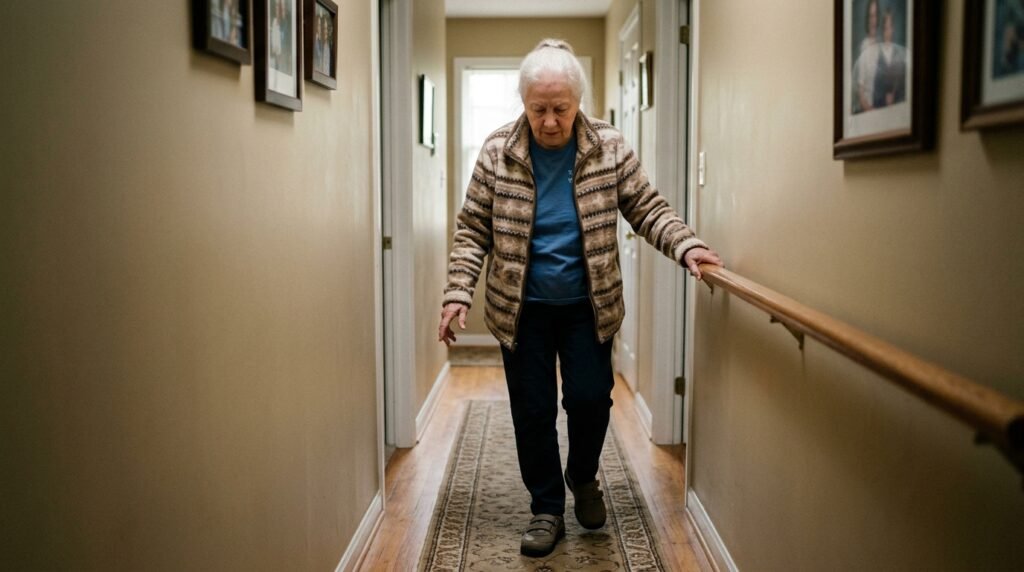
Either the experience of falling or the feeling of instability will result in the development of fear associated with the activity. The result of this fear is that their inability to move causes quick muscle wastage, and doing basic tasks becomes dangerous for them.
Polypharmacy and Its Various Consequences

Having more than one prescription drug at the same time is capable of causing various negative consequences, such as continual dizziness, nausea, fatigue, and confusion. All these effects created by chemicals can make an individual feel unwell and prevent him/her from practicing any form of self-care effectively.
Visual and Hearing Deficiencies Without Being Recognized

The inability to properly perceive either visual or audio signals will go unreported by many. If an older person cannot see clearly enough to slice vegetables safely or notice dust within his/her house, or if he/she cannot hear properly to interact with others, the natural response would be withdrawal from all such activities.
Bureaucratic Issues in Healthcare
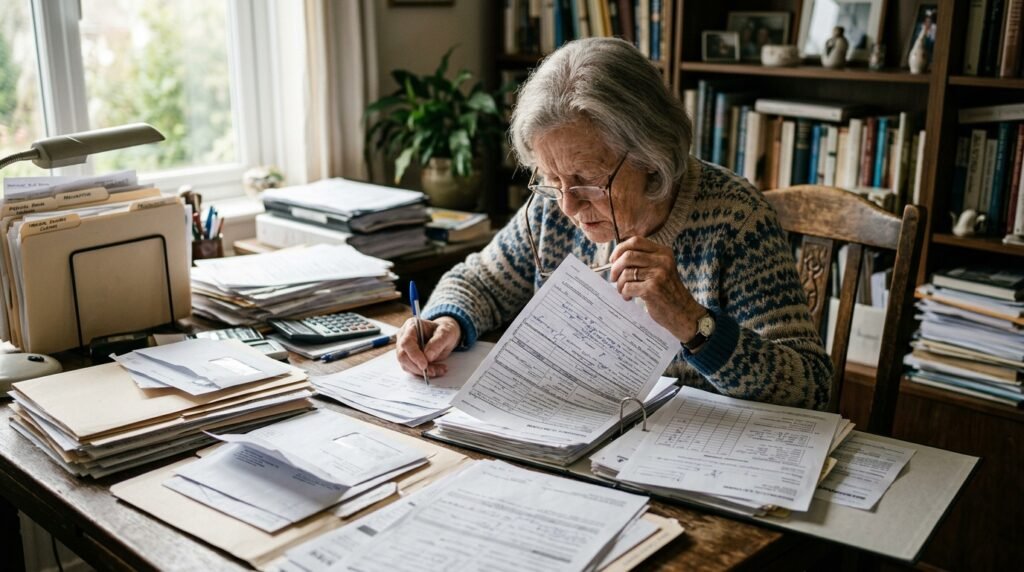
When dealing with insurance issues, complicated patient portal processes, appointment scheduling, medication management, and other complex procedures associated with healthcare systems, many seniors decide it is just too exhausting to handle these issues and opt out of medical care.
