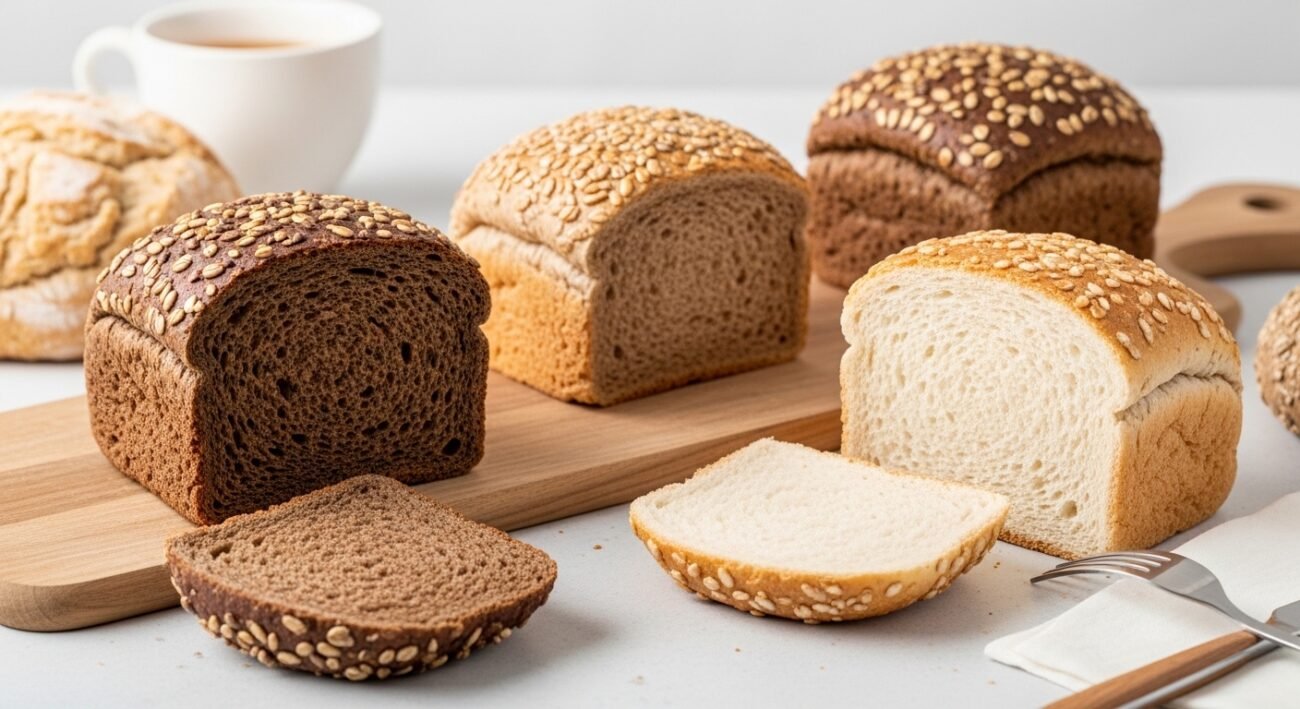
From breakfast to dinner, hot grains show up on tables everywhere. Still, they behave in distinct ways once digestion begins – some linger longer, others vanish fast. The deep-colored kind feels heavy, maybe honest; its pale version floats almost weightless in the hand. Looks alone, though, can’t decide what happens next once swallowed. Midday brings signs – some feel drained, others sharper. A few eat little, leaving almost nothing on their plate. Some keep eating plenty, filling up on what keeps them going. Moods change by then, hunger spikes or fades, depending. These shifts slip past most people. What matters most happens without noise.
How They Are Made
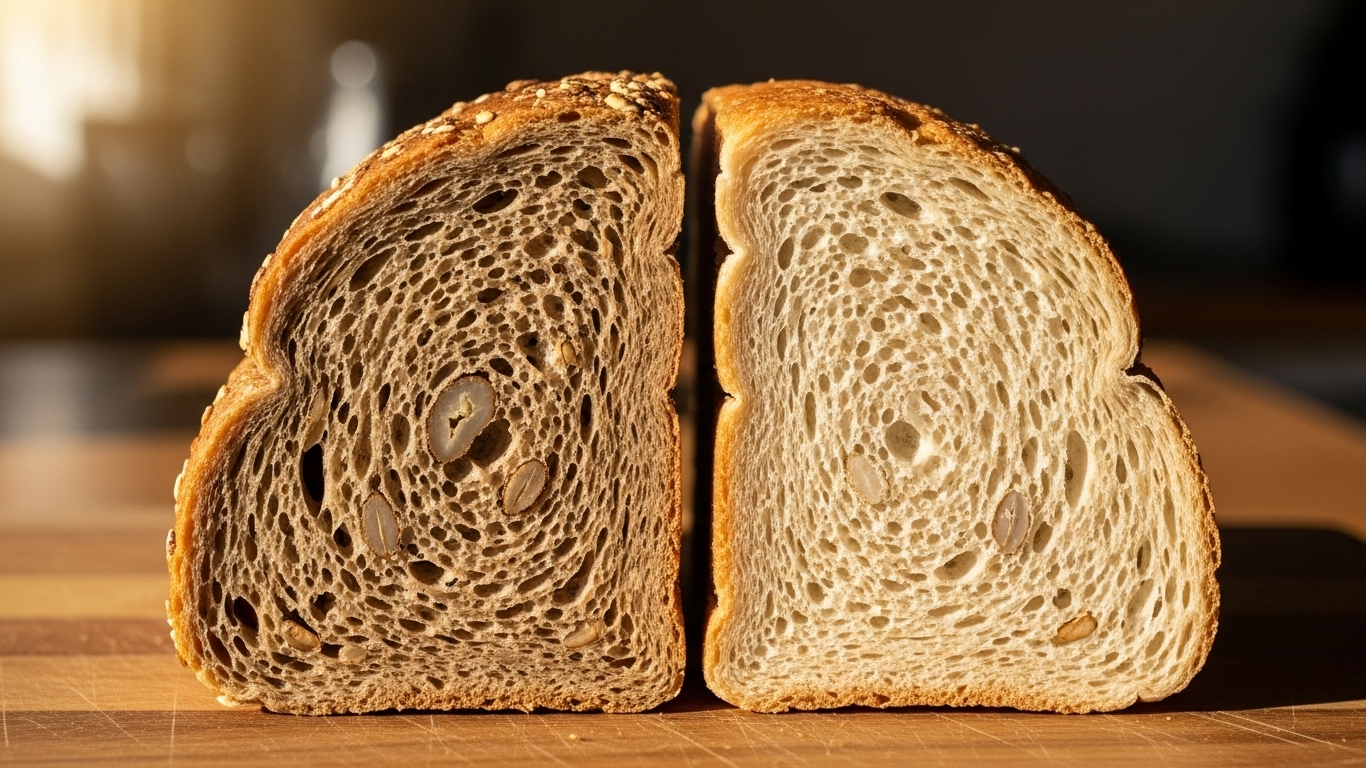
Baked grains stay intact in brown bread, keeping husk, core, and tender interior untouched. Instead of that full structure, white versions use processed flour stripped clean – no husk, no germ, nothing left behind. Without those pieces, the texture turns light, yet nearly all value vanishes into thin air.
Nutritional Value Difference
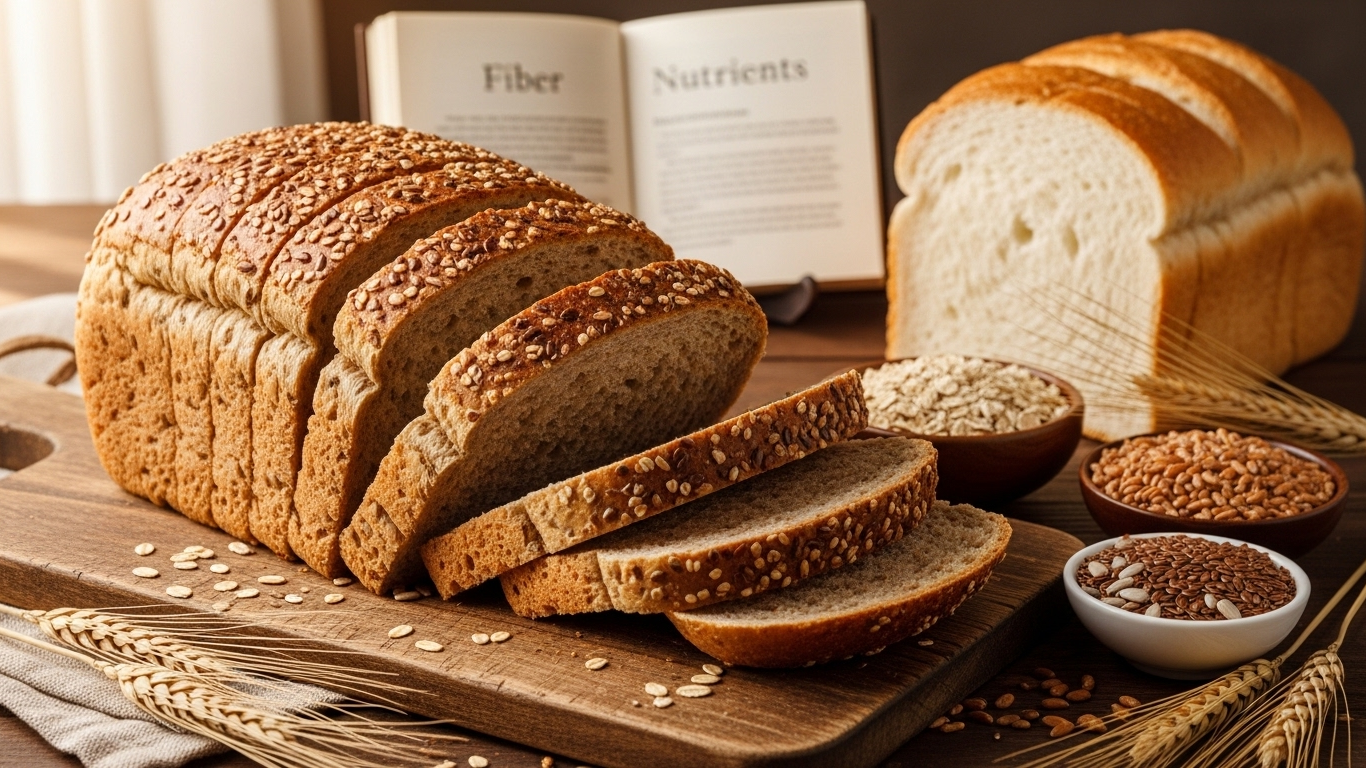
Whole-grain bread packs plenty of fiber, offering extra vitamins alongside minerals when set against its lighter counterpart. While refining strips away nutrients found in white flour, a portion returns through later enrichment steps. Fullness that lasts often fiber links, helping digestion stay on track.
Satiety And Weight Control
Belly holds on to brownish bread because of all the fiber inside. When fullness shows up, cravings take a back seat until dinner rolls around. Not so with white kinds – they slip through quickly, dropping hunger off like an uninvited guest minutes later.
Digestive Health Benefits
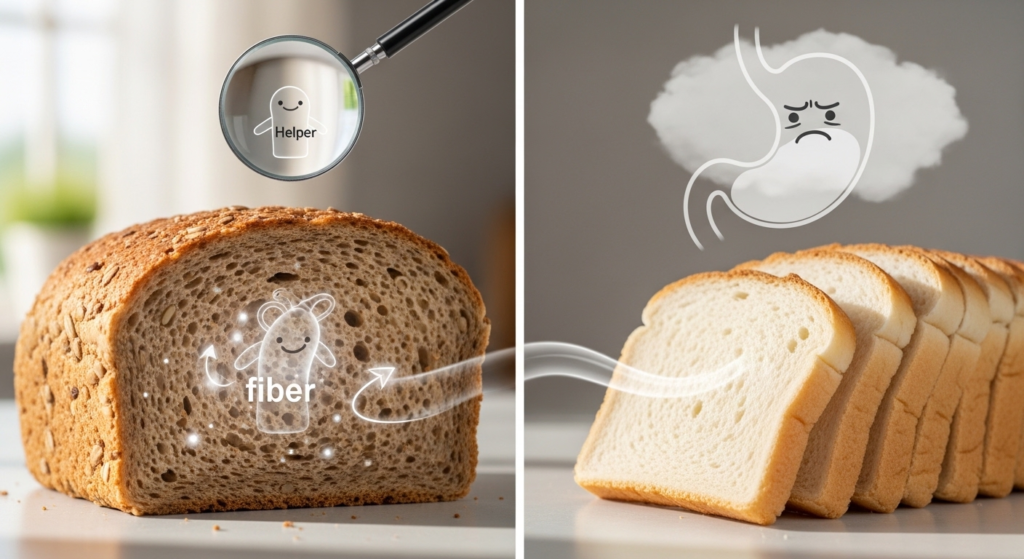
Brown bread holds fiber, a quiet helper keeping your digestion on track. When it comes to white bread, the comfort slips away quickly – certain people find their stomachs reacting poorly after several slices.
Hidden Marketing Tricks
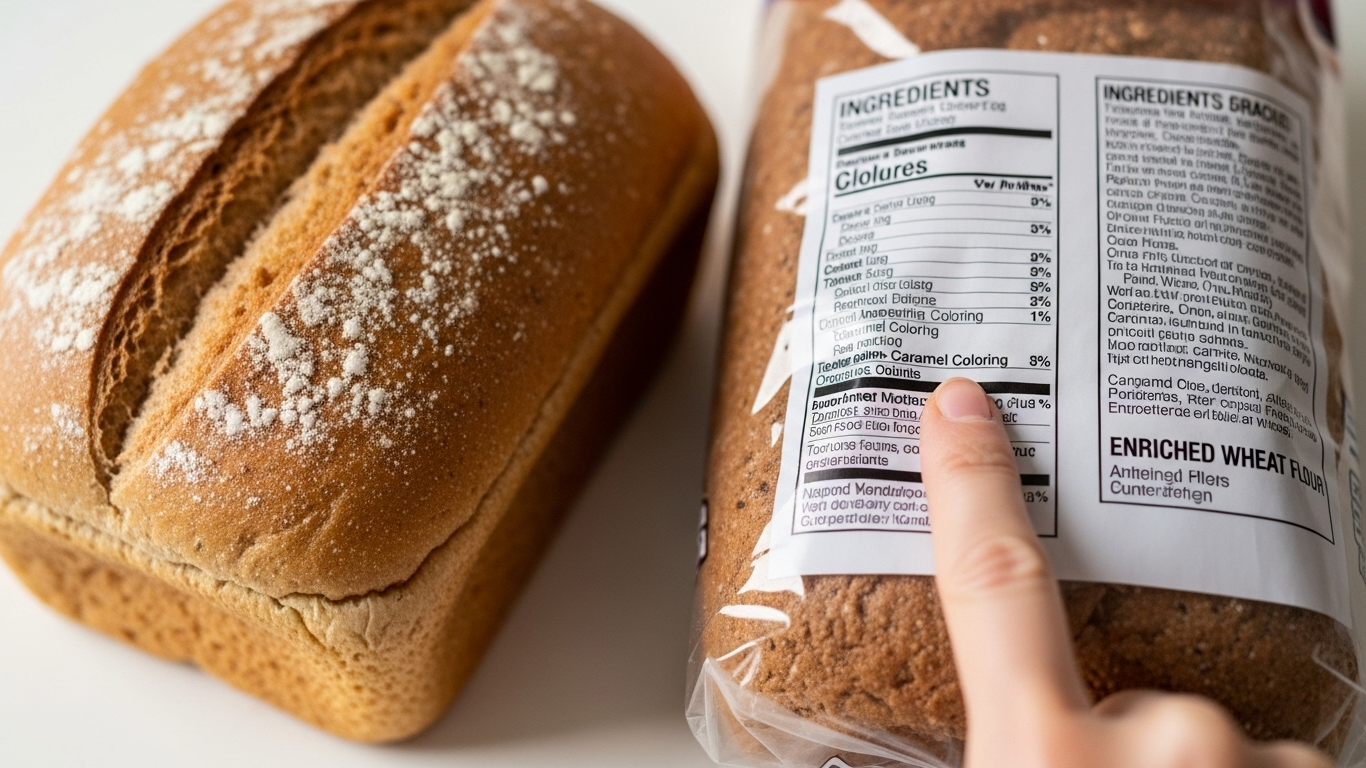
Surprise – that brown bread might not be what it seems. Instead of true whole grains, some sneak in molasses or caramel coloring to look wholesome. Check the ingredient list, tucked away on the package rear. Real value shows when “100% whole grain” appears, written plainly. Without those words, it’s probably just white flour wearing a disguise.
Taste and Texture Differences
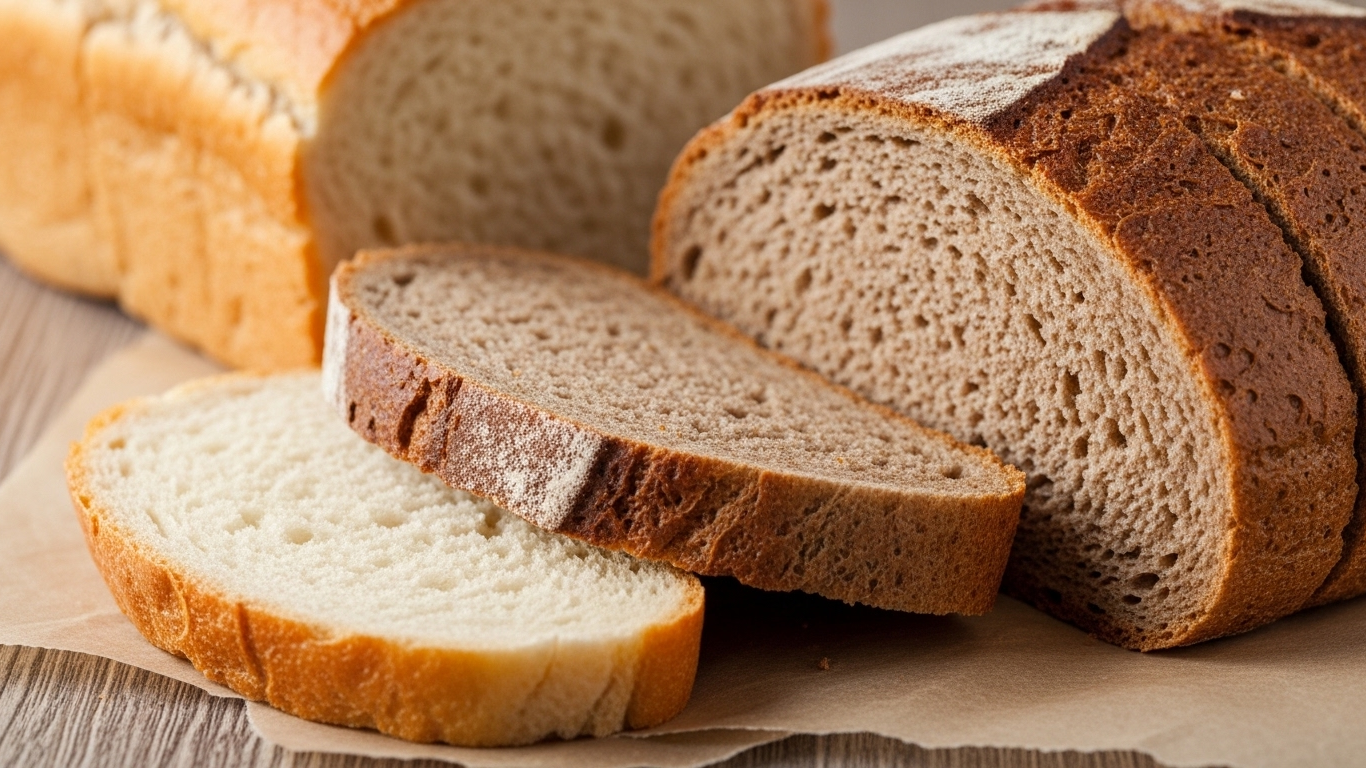
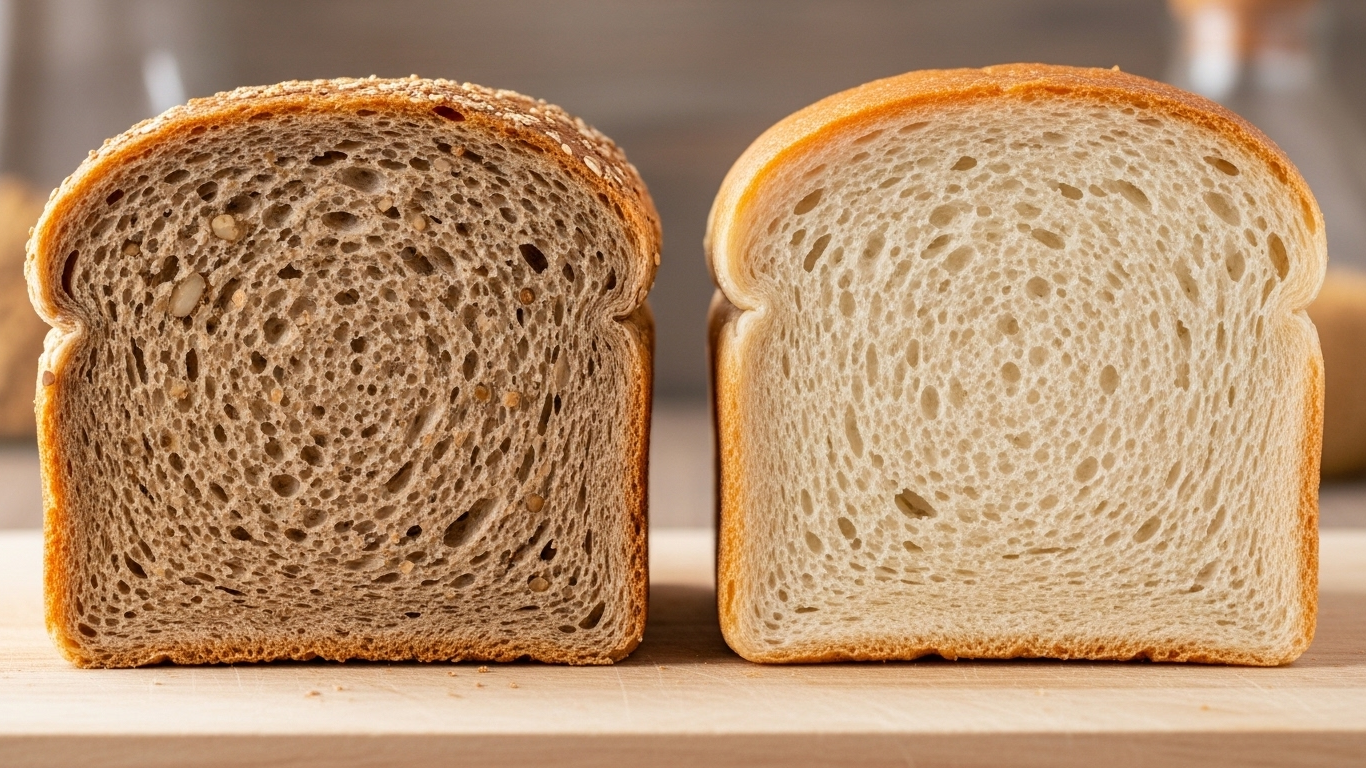
Soft, pale slices slip down easily, their mildness a familiar friend to countless meals. But darker loaves press back – thicker, heavier, like soil given form. Chew one and you might taste fields, husks still clinging, nature unpolished. People reach for joy first, sense before reason – the tongue leads where hunger listens. Just because it feels good does not mean it fuels well.
Which One Should You Choose?
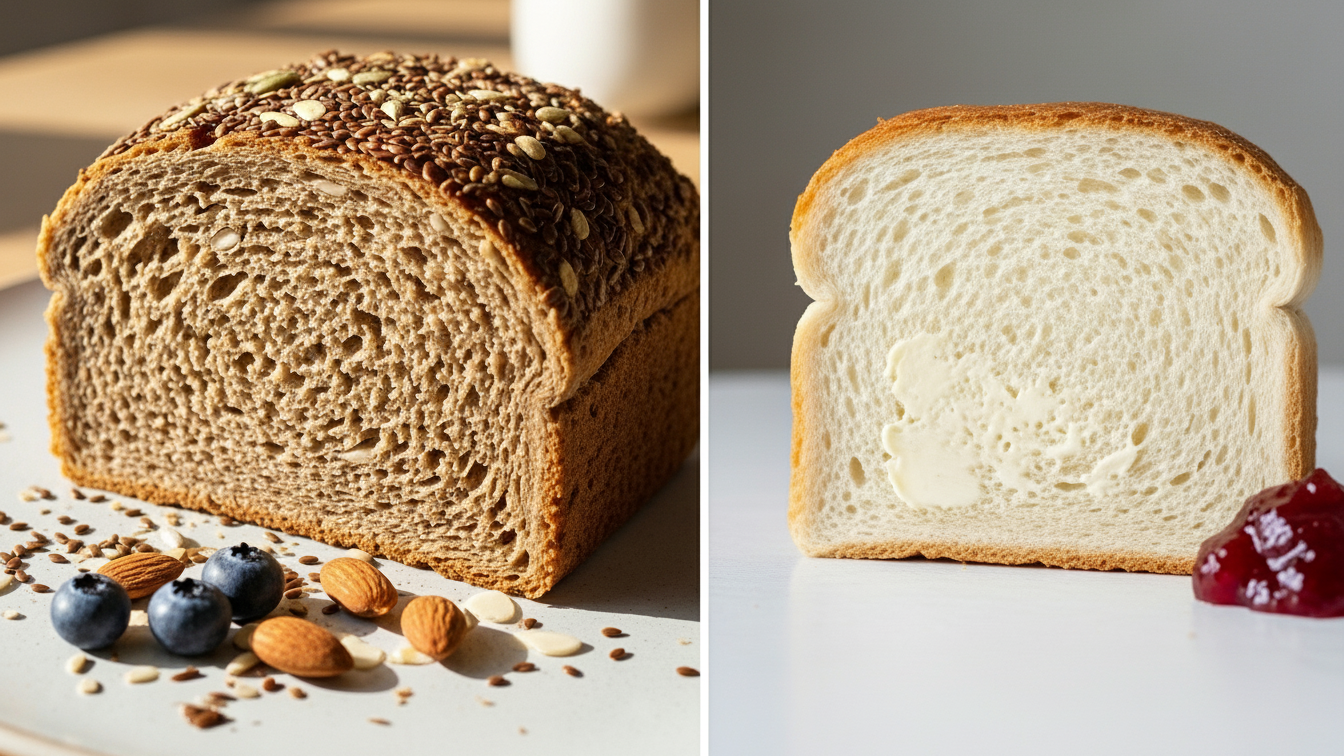
Most times, brown bread brings more nutrients to the table – especially when whole grains are involved. A piece of white now and then won’t wreck anything, provided your overall eating pattern stays wide-ranging and steady.
